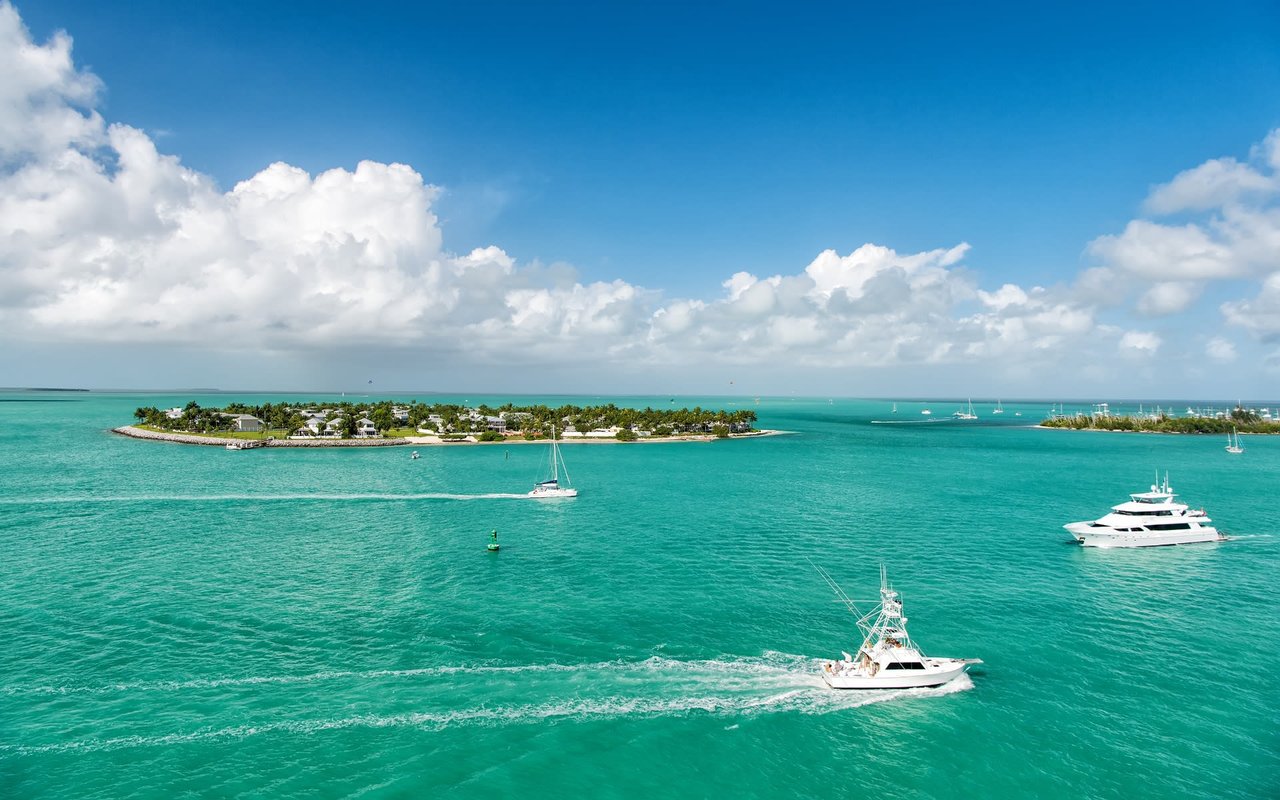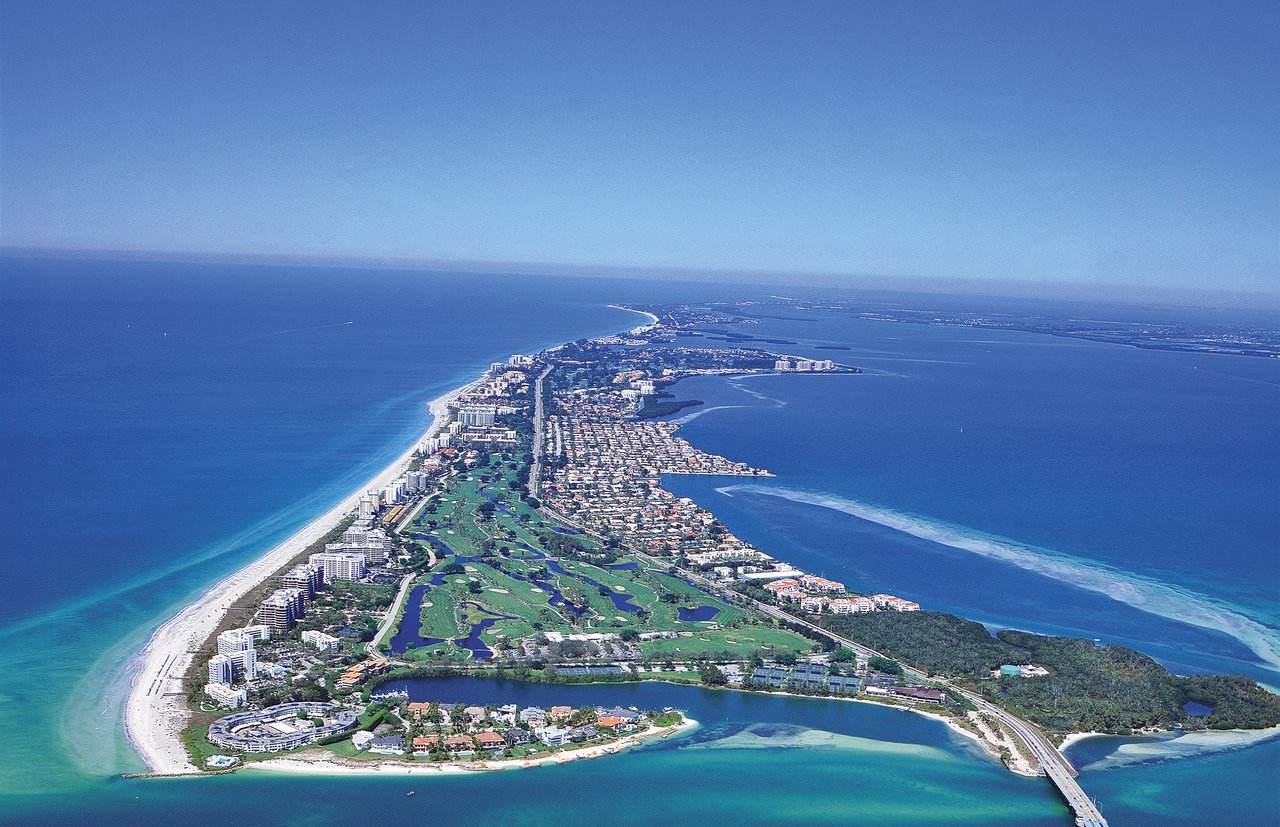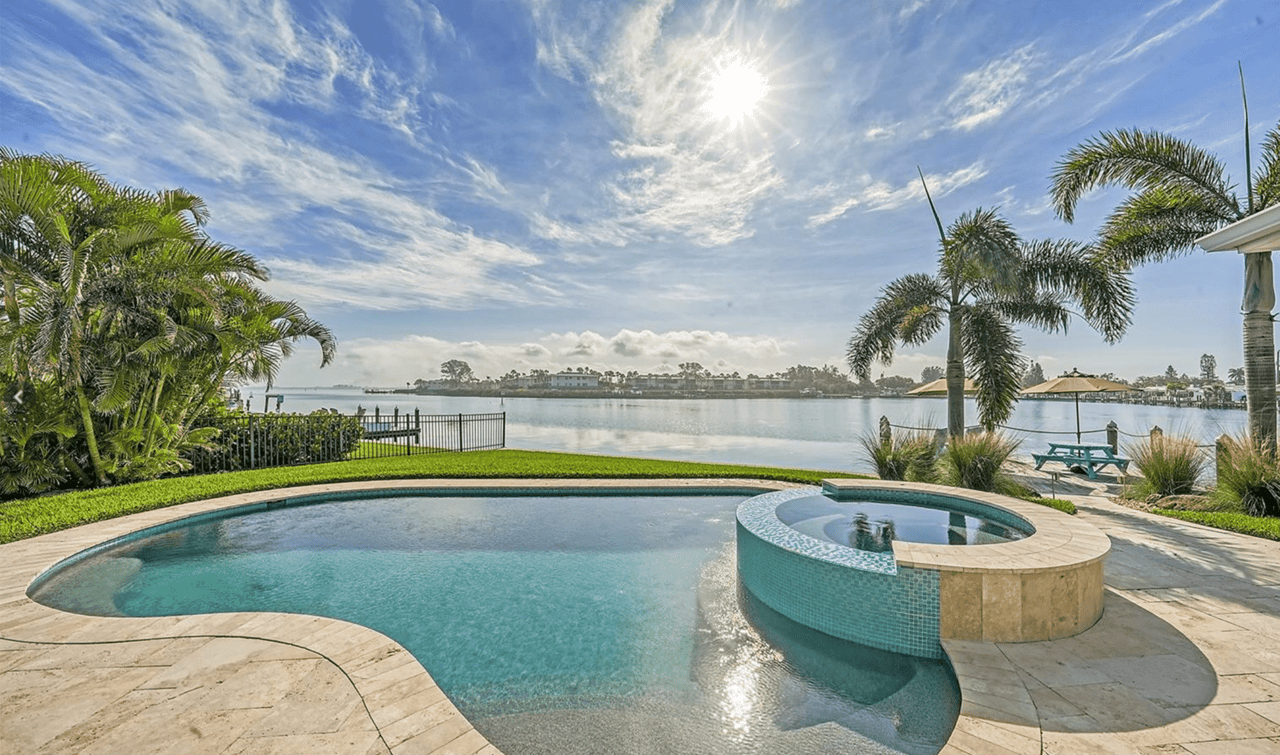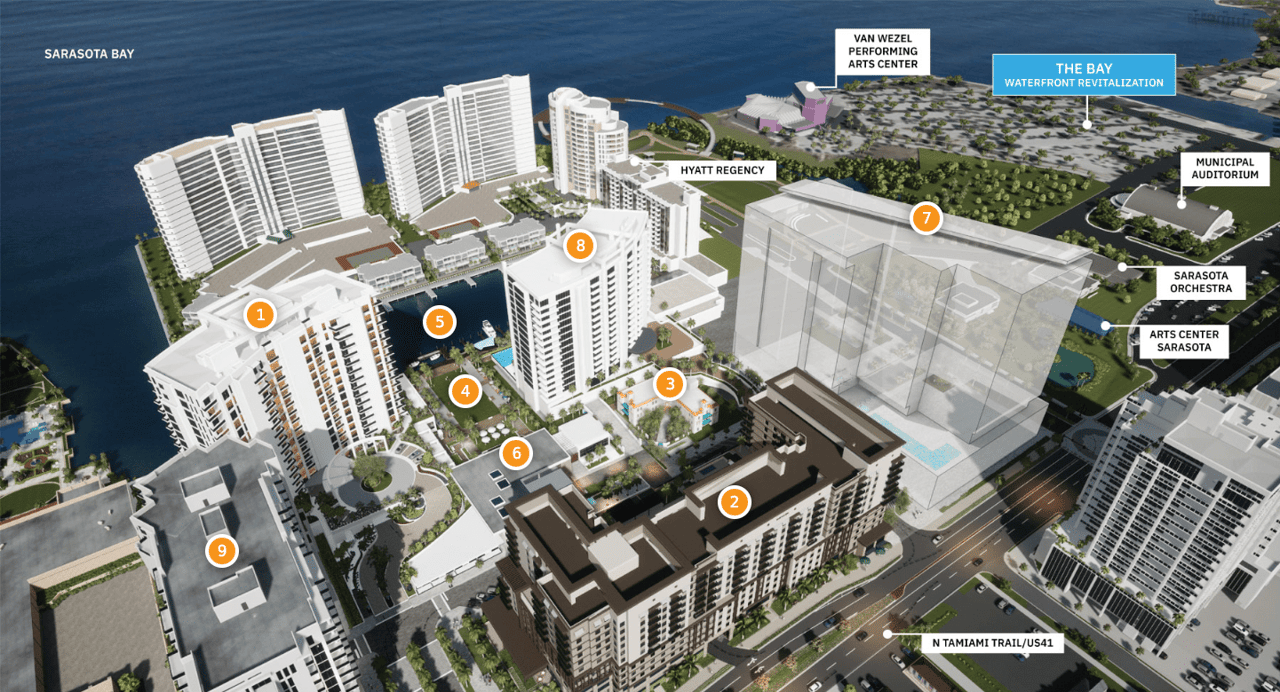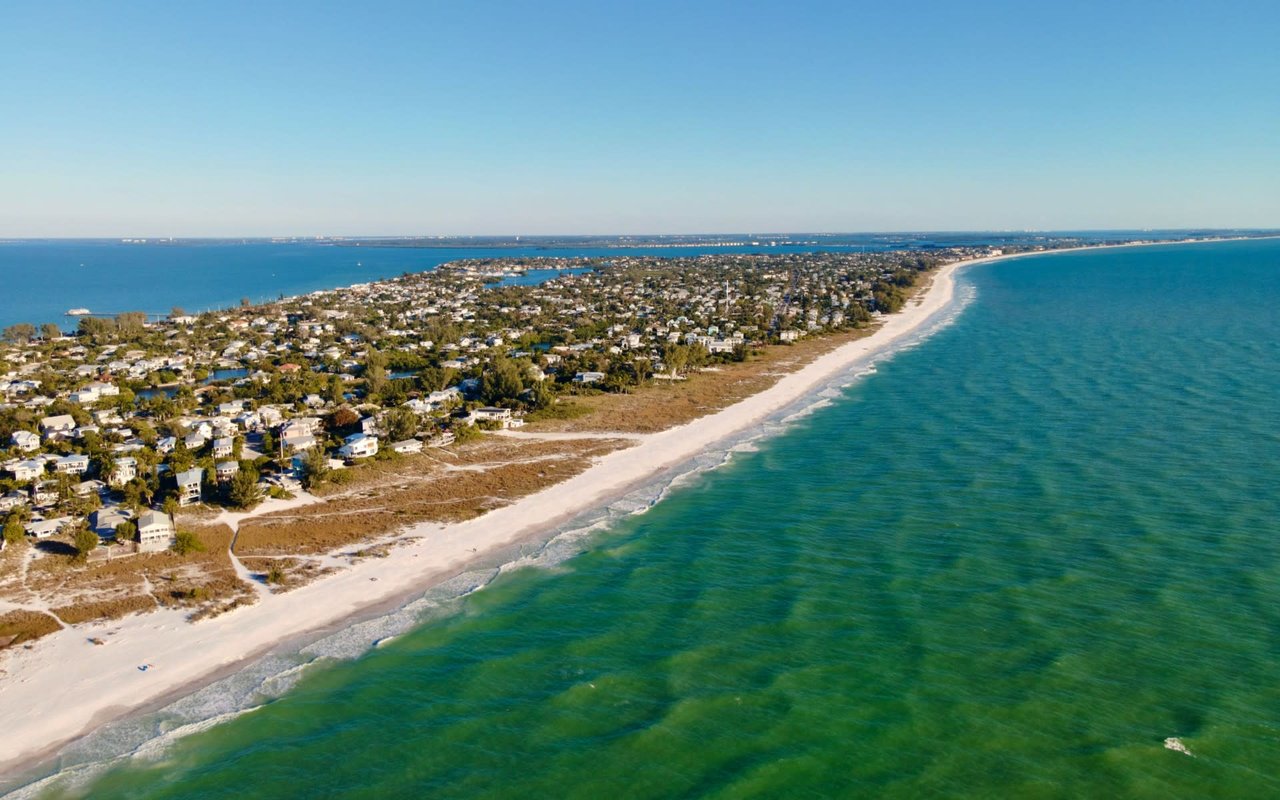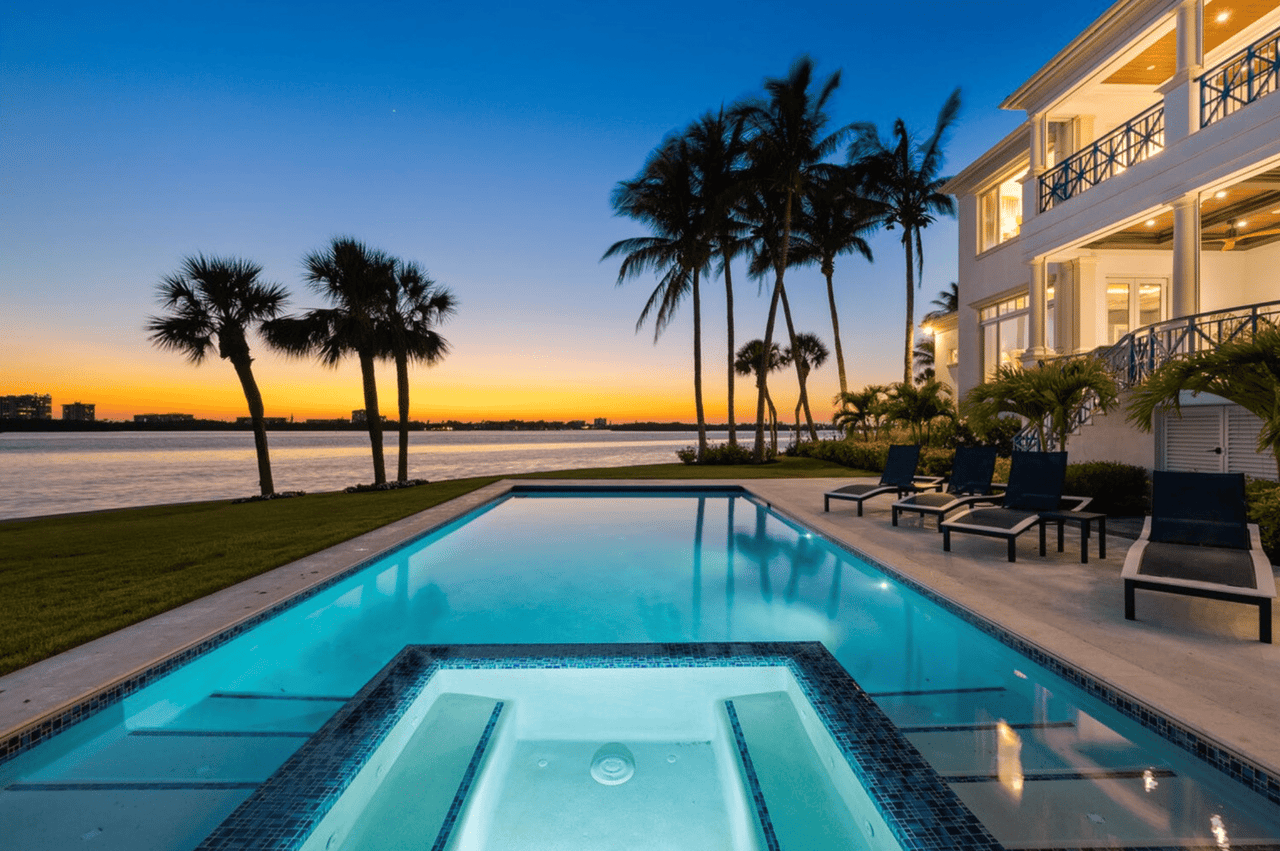

Torn between a bayfront view, a quiet canal, or a protected harbor address on Bird Key? You’re not alone. Each waterfront setting offers a different mix of boating convenience, wind and wake exposure, privacy, and long-term costs. In this guide, you’ll learn how bay, canal, and harbor lots on Bird Key compare, what to verify before you buy, and how to choose the right fit for your boat and lifestyle. Let’s dive in.
Bird Key at a glance
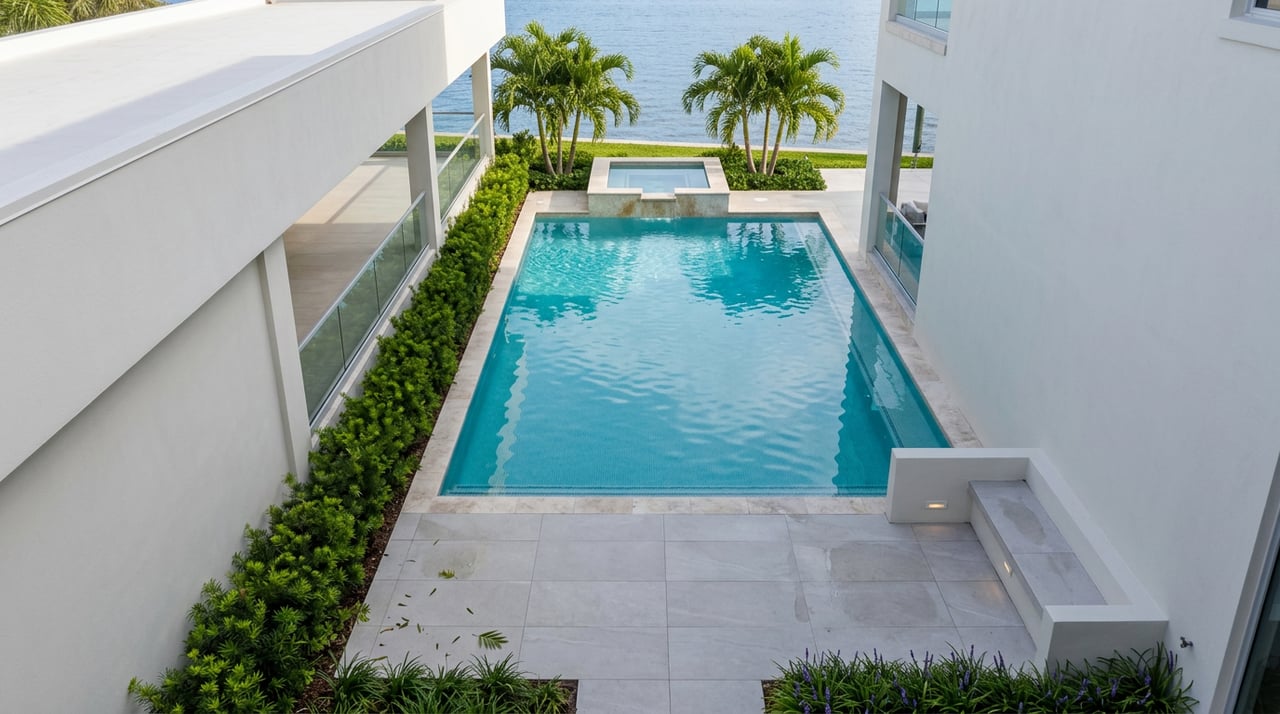
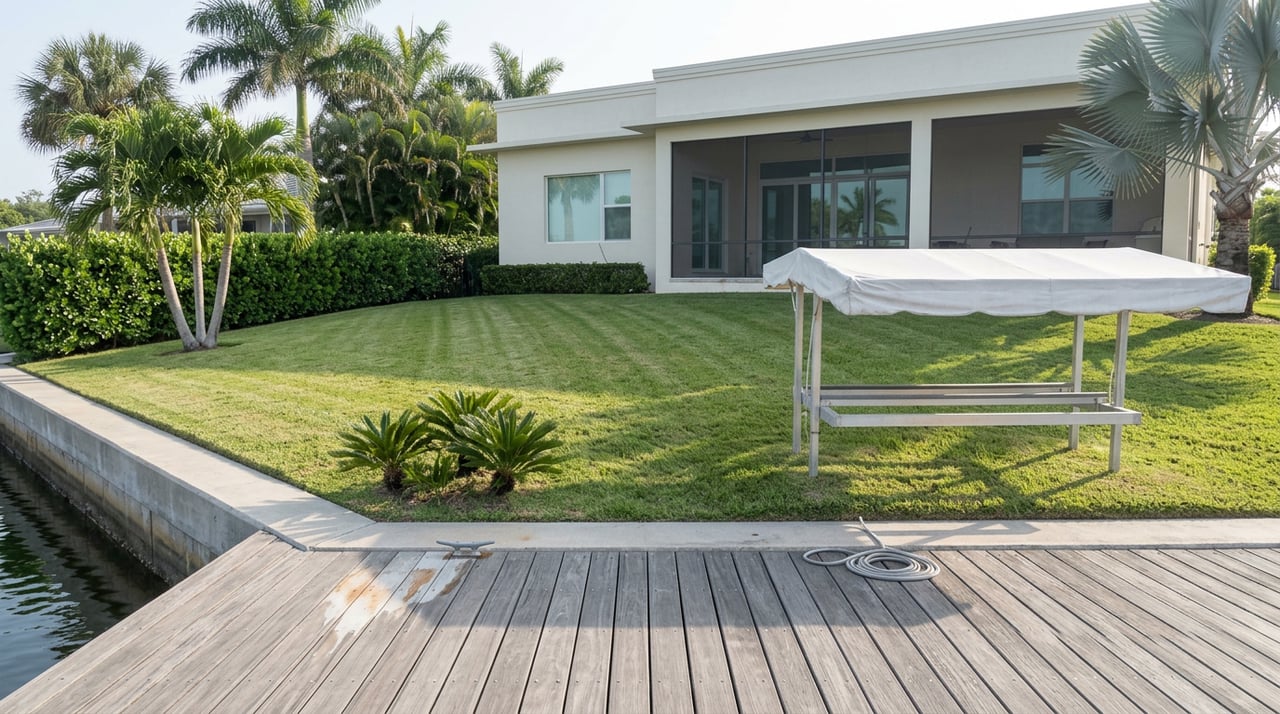
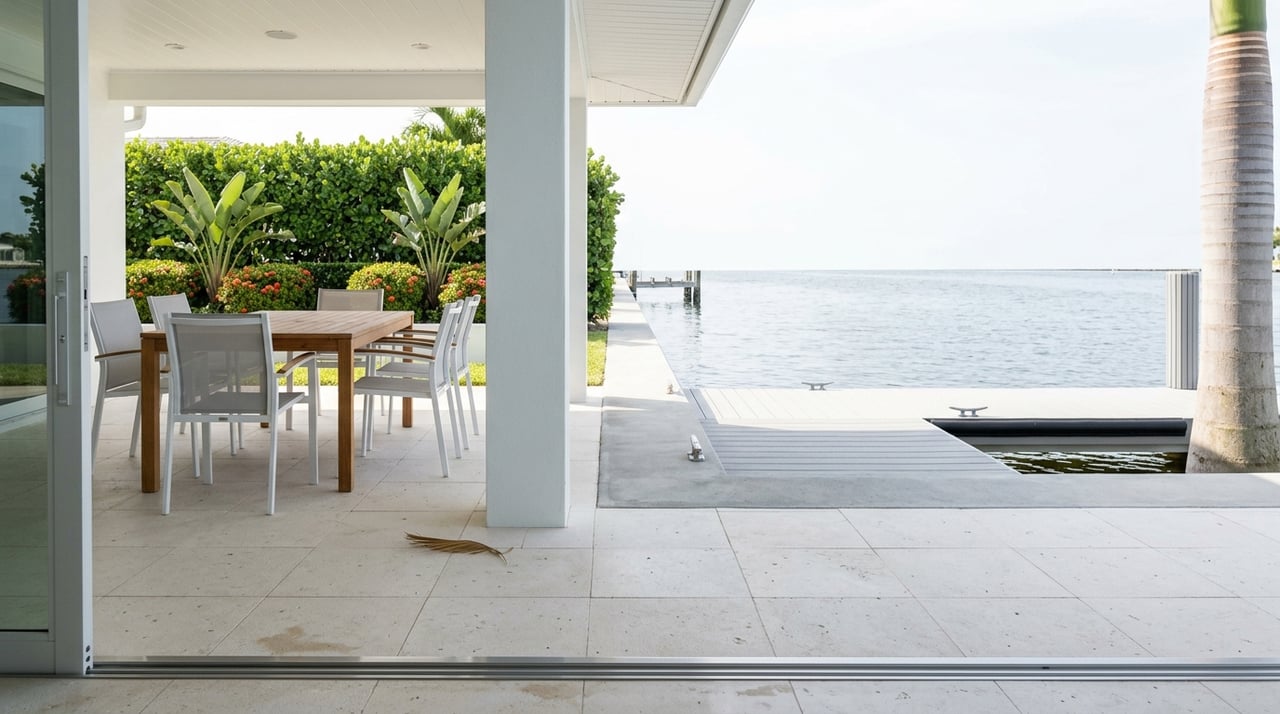
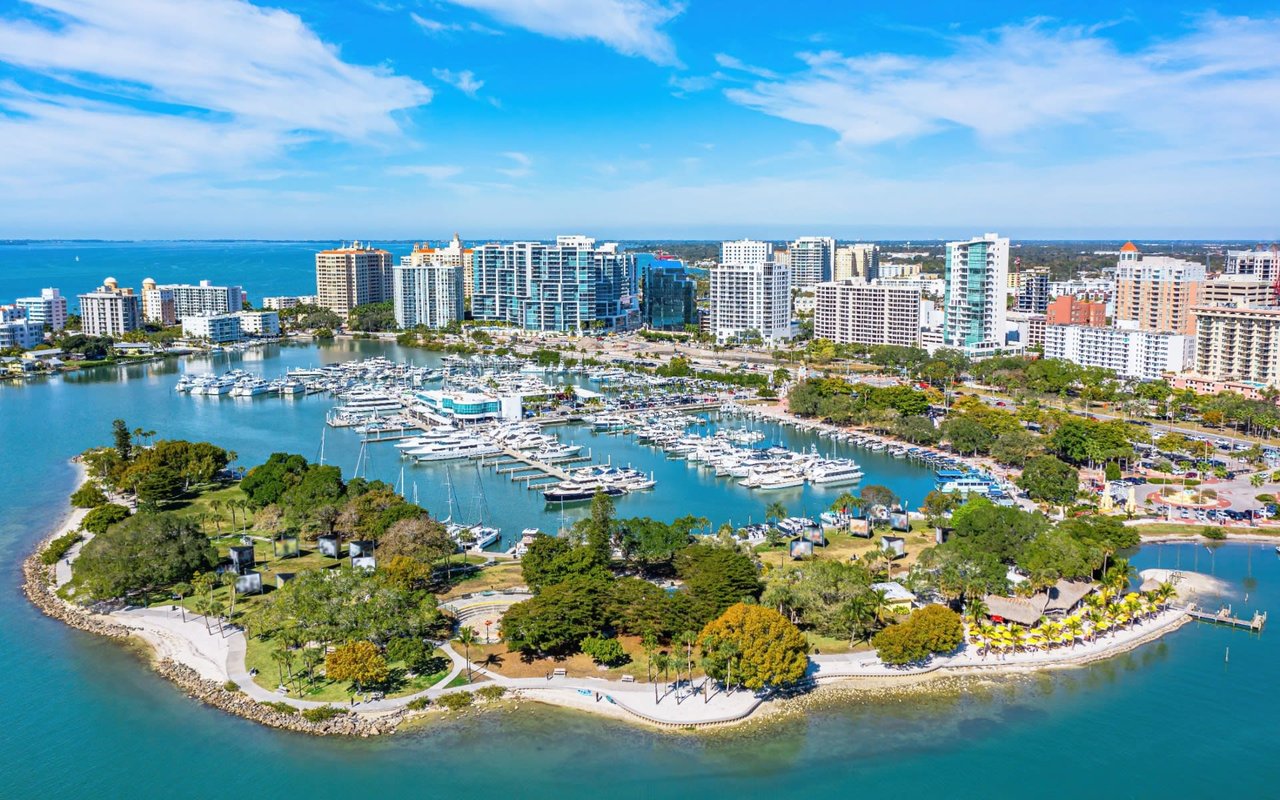
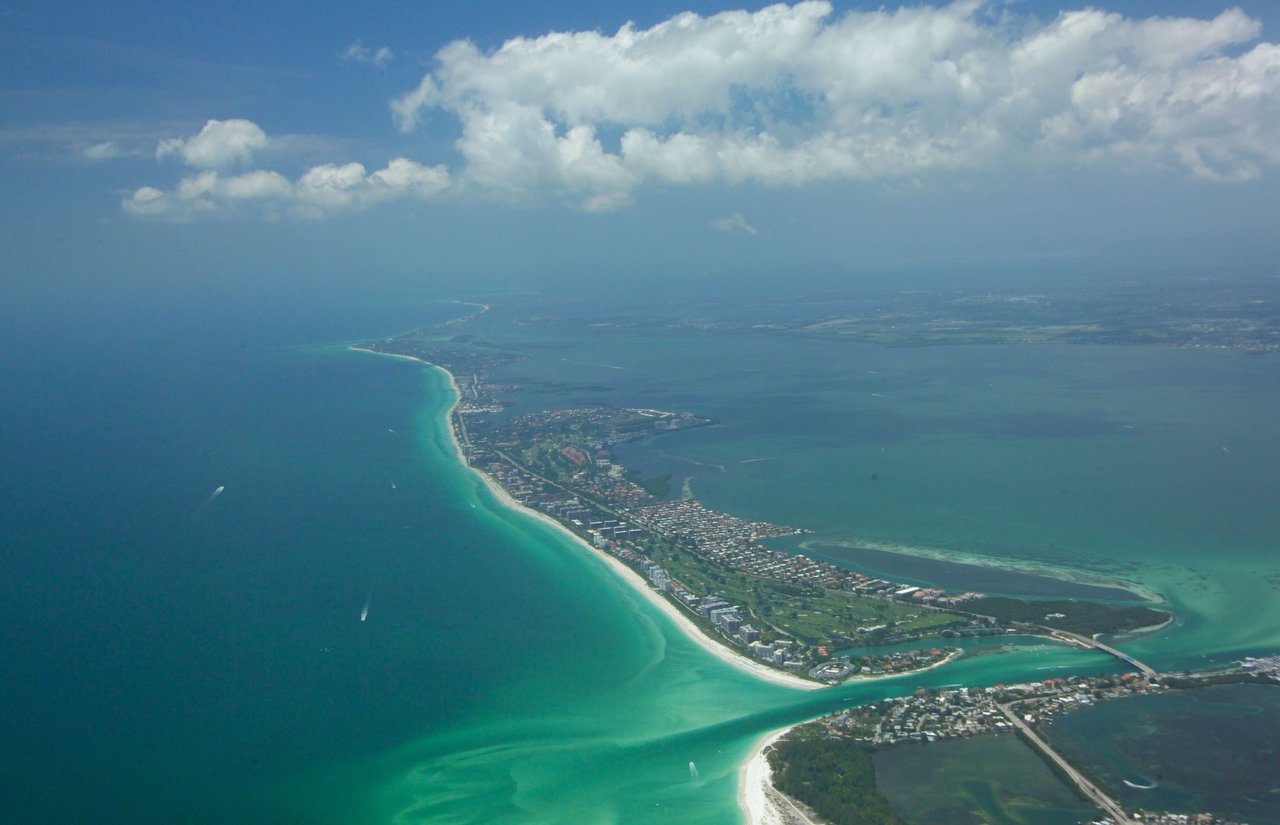
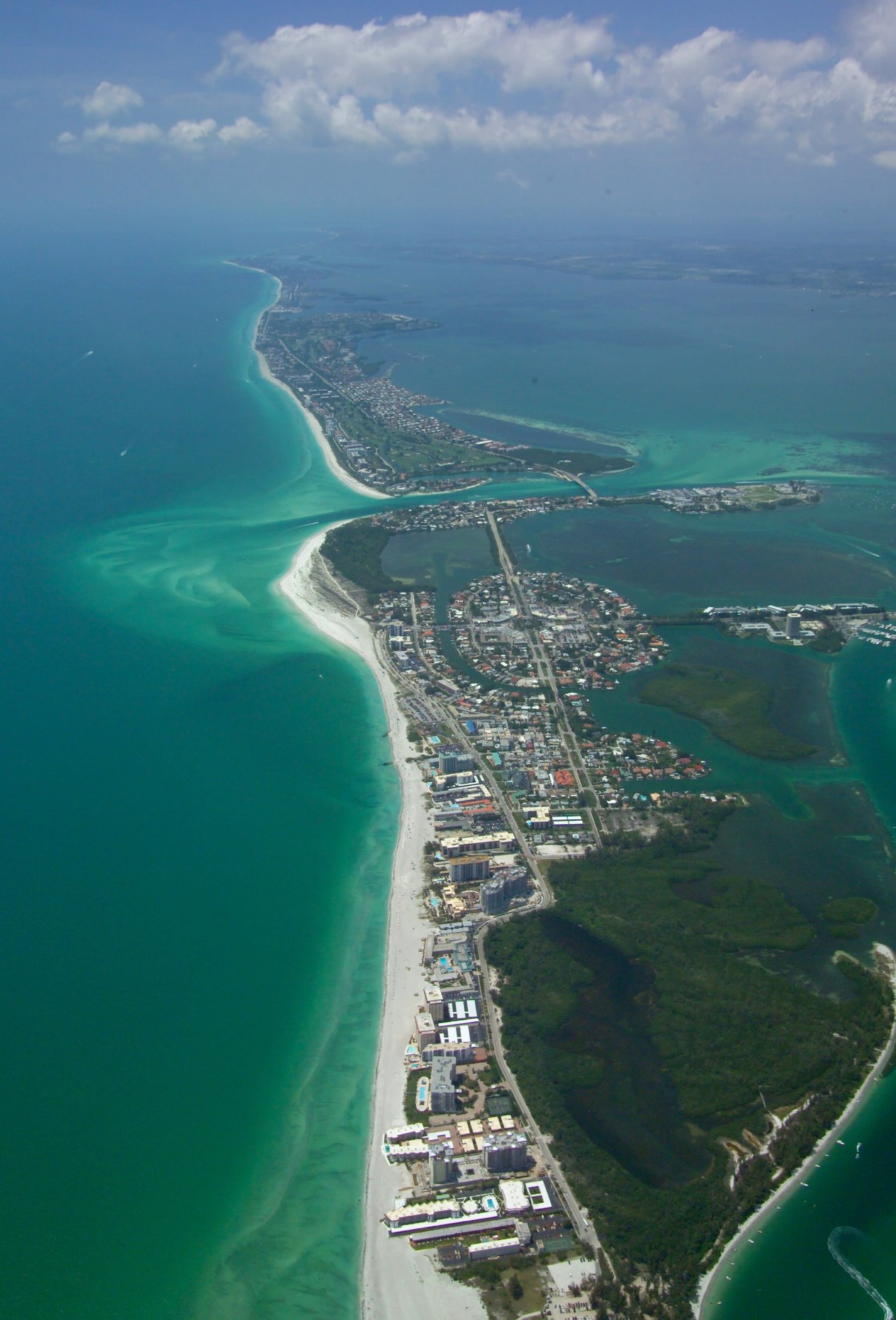
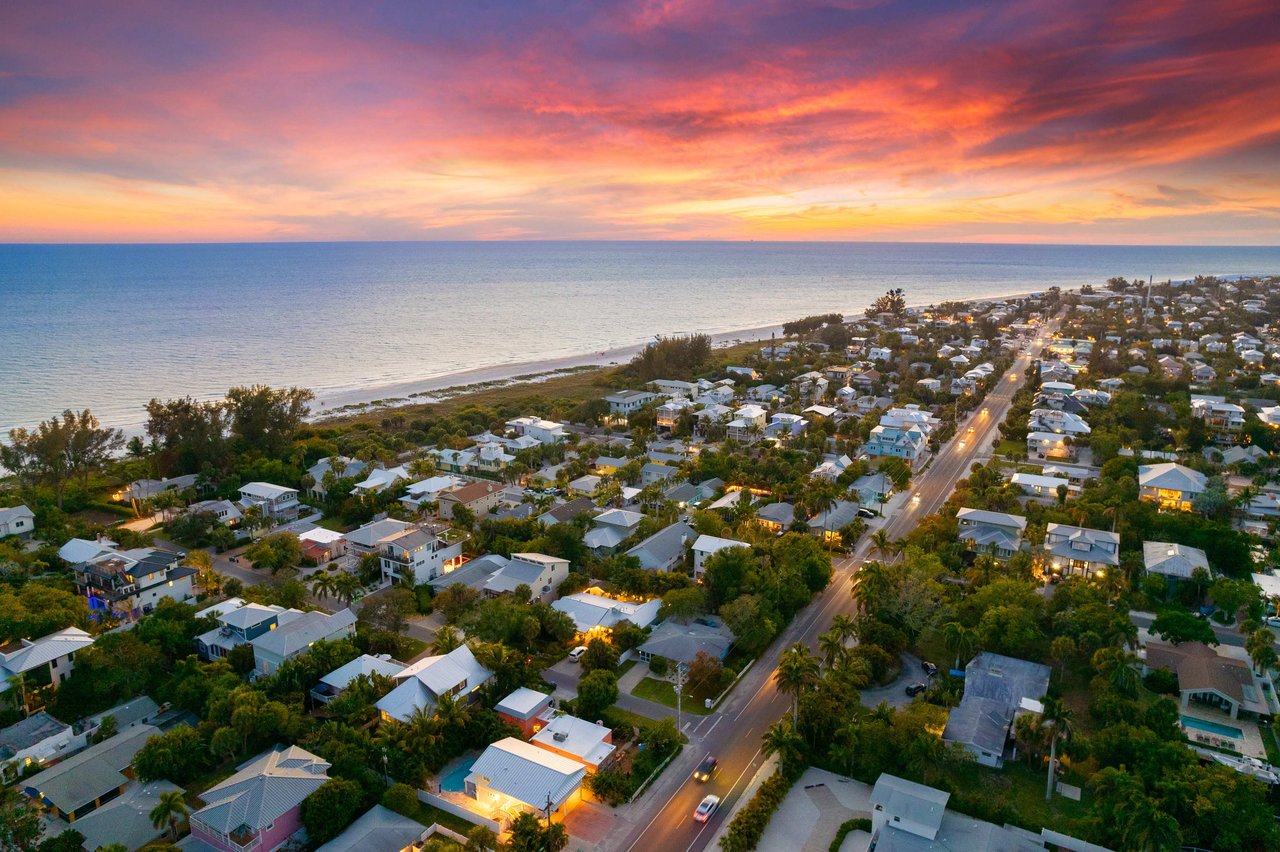
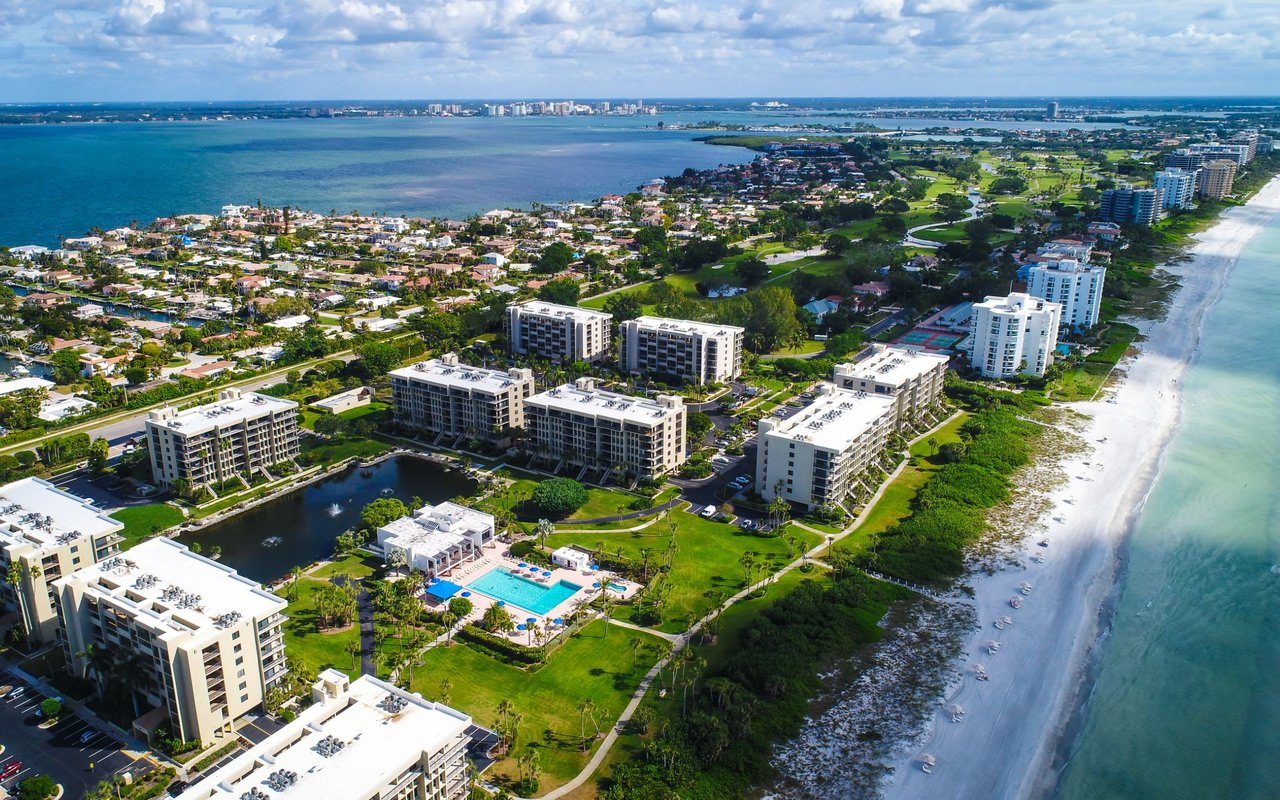
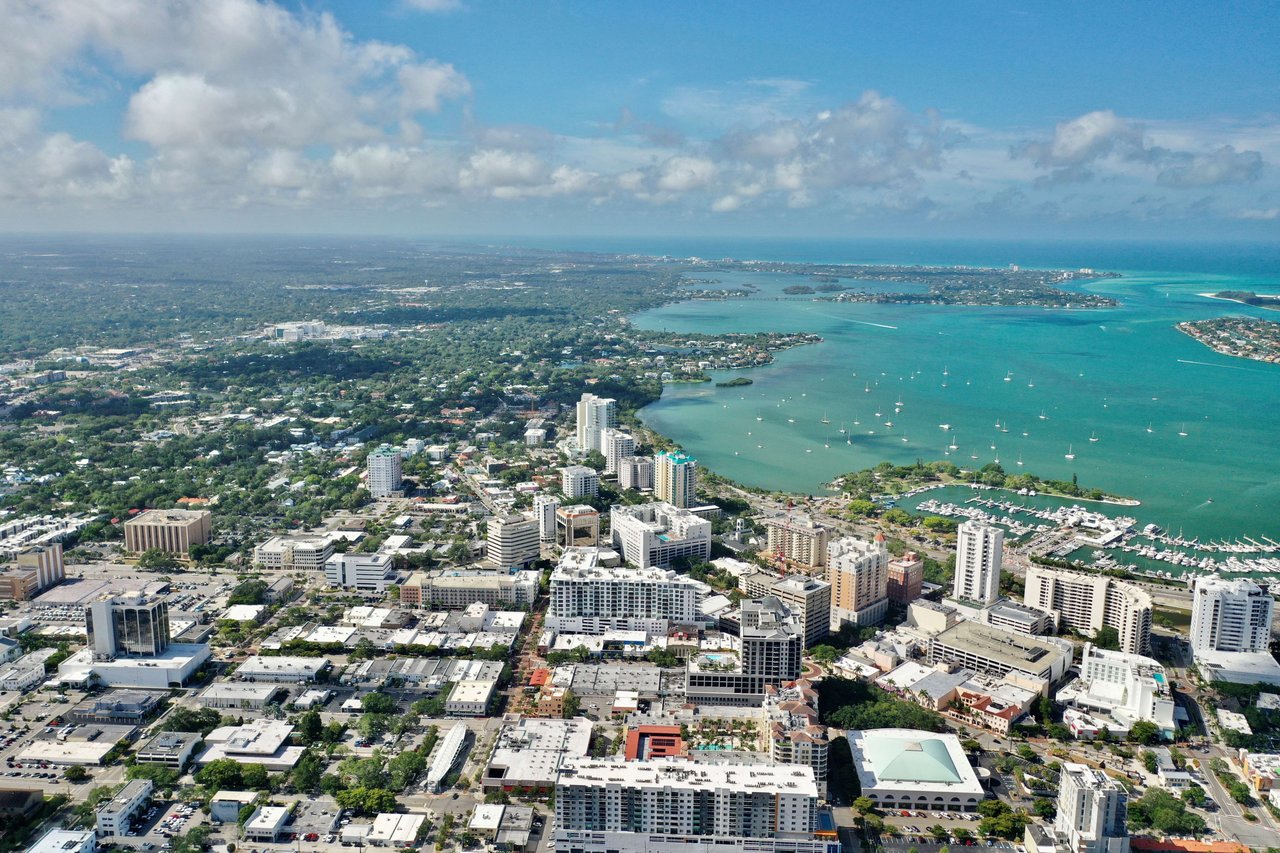
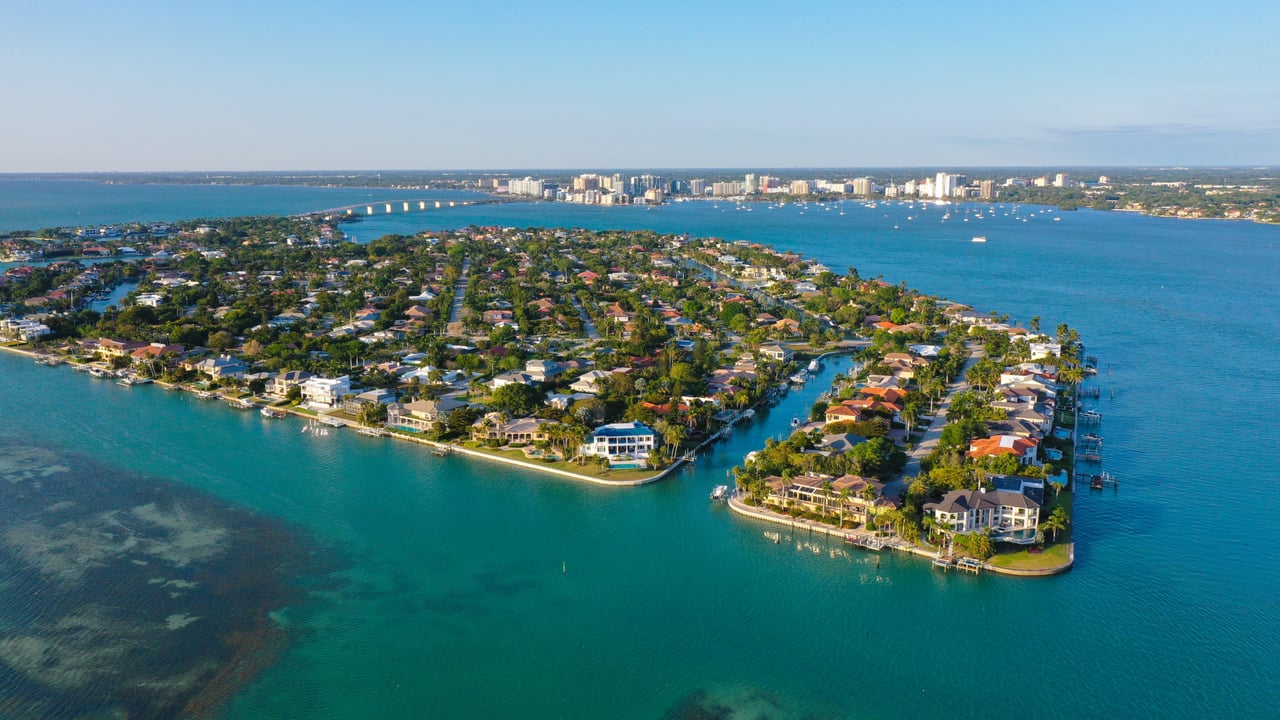
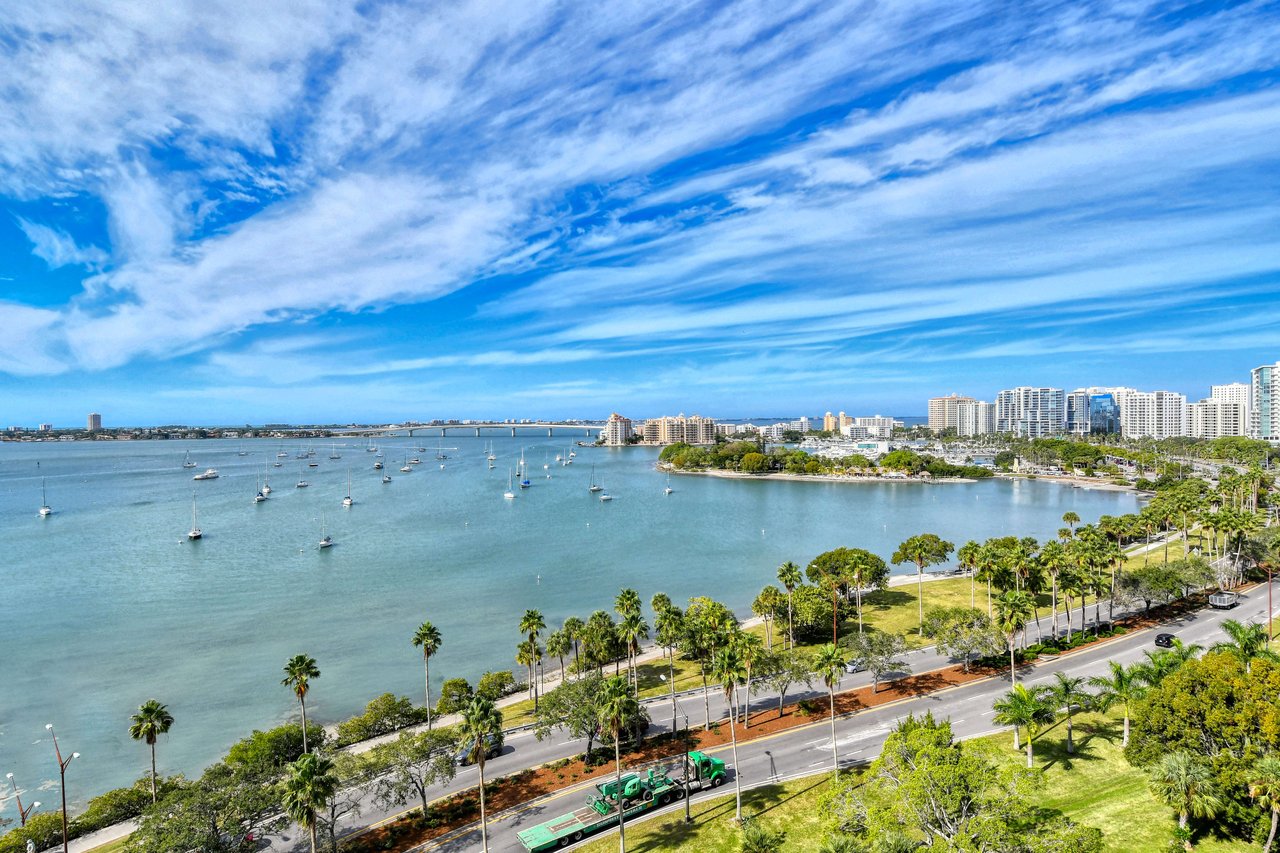
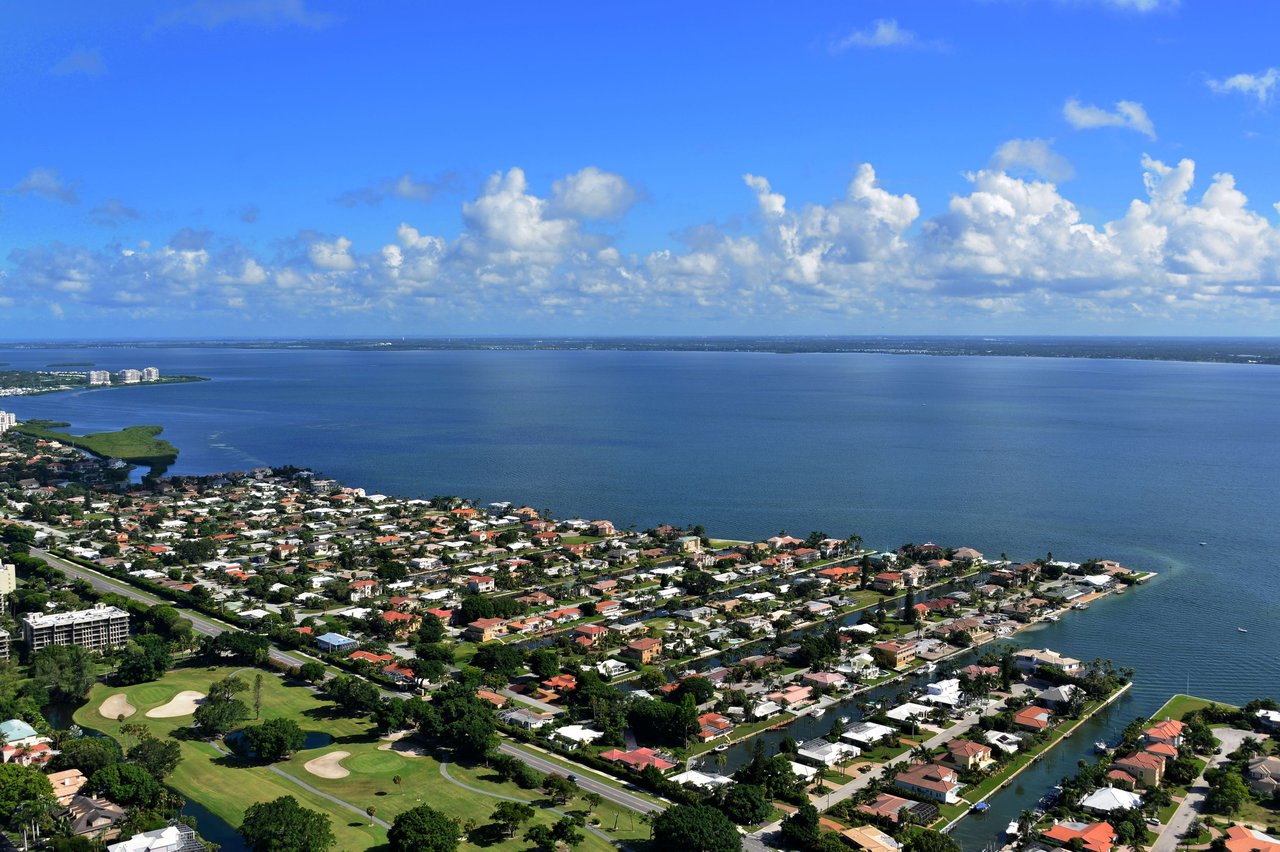
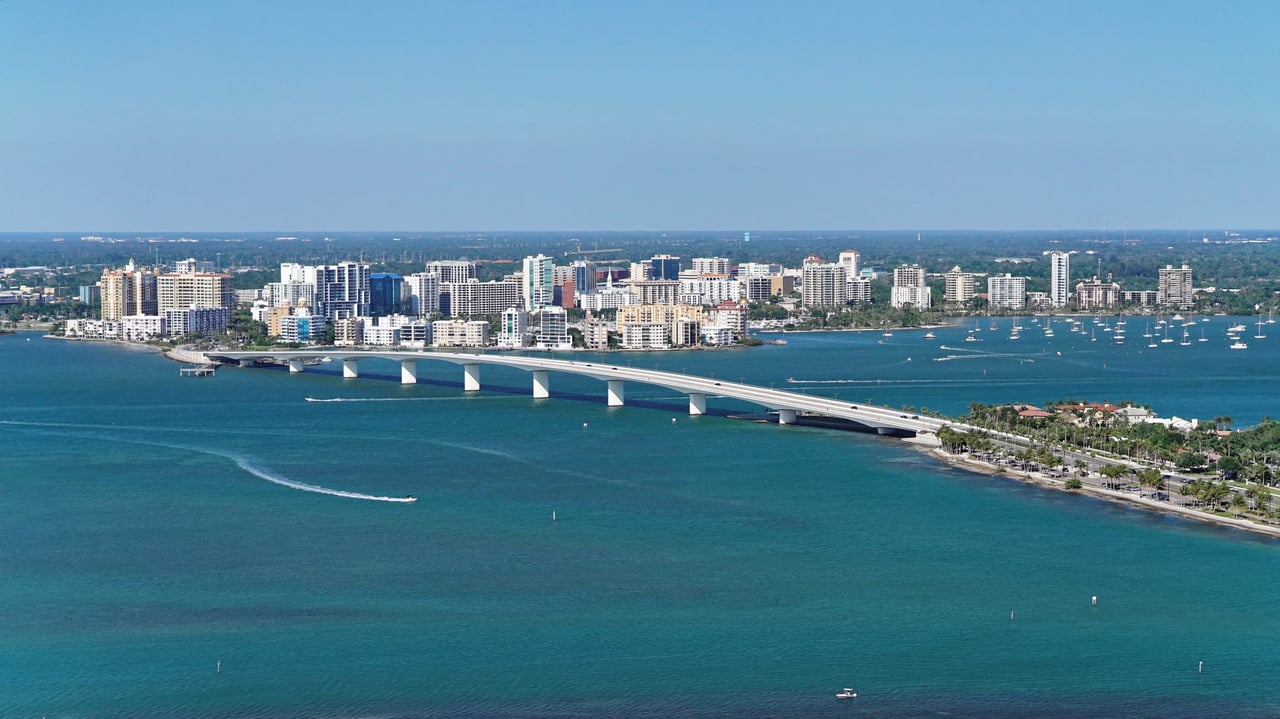
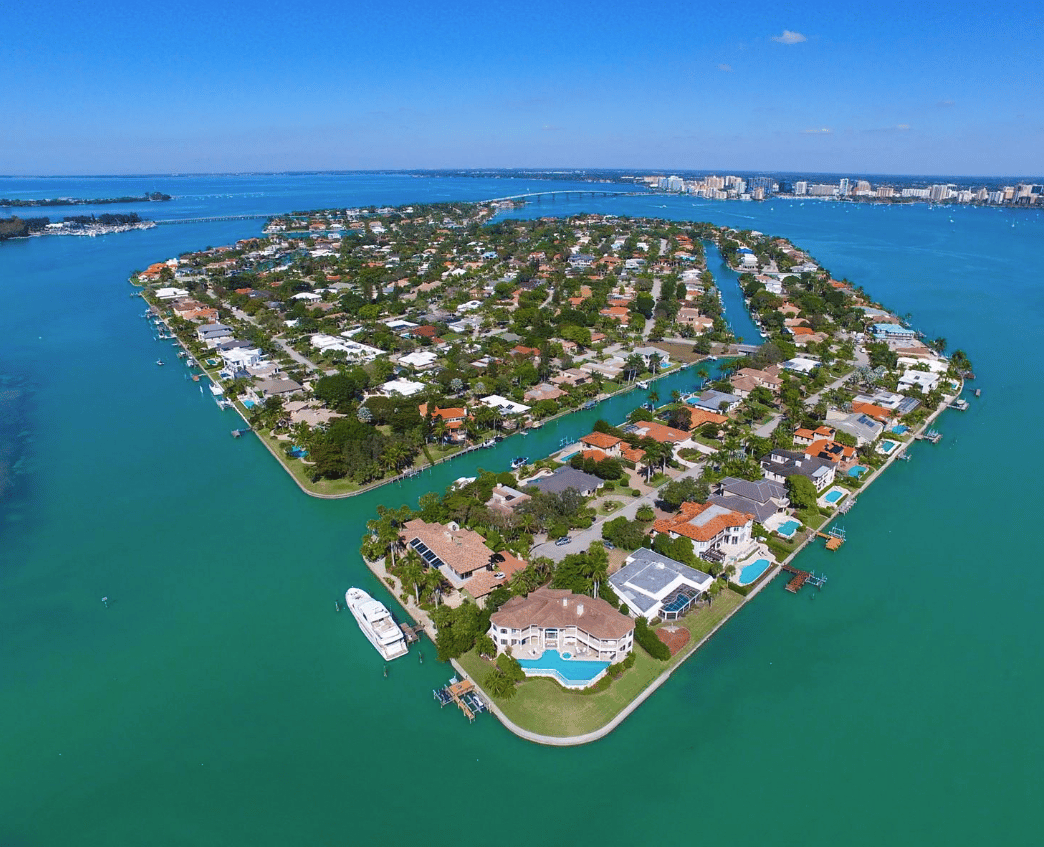
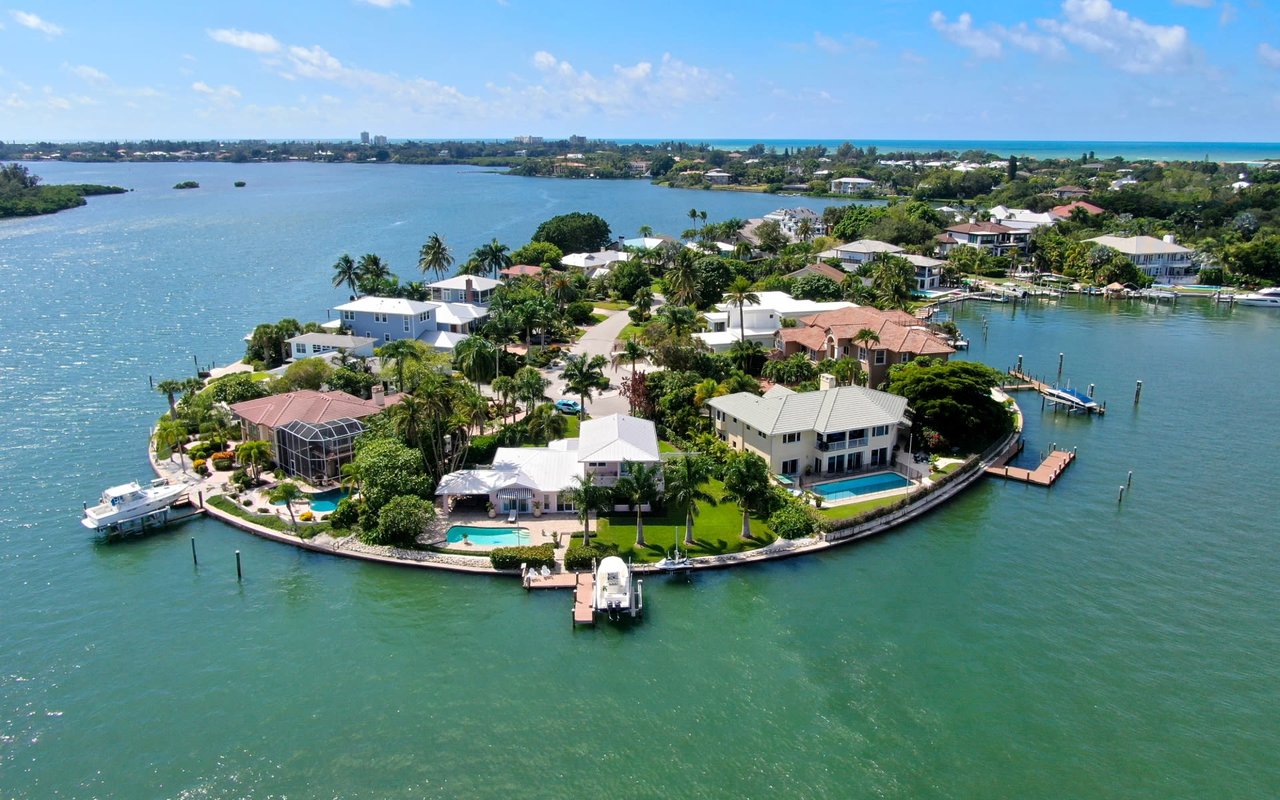
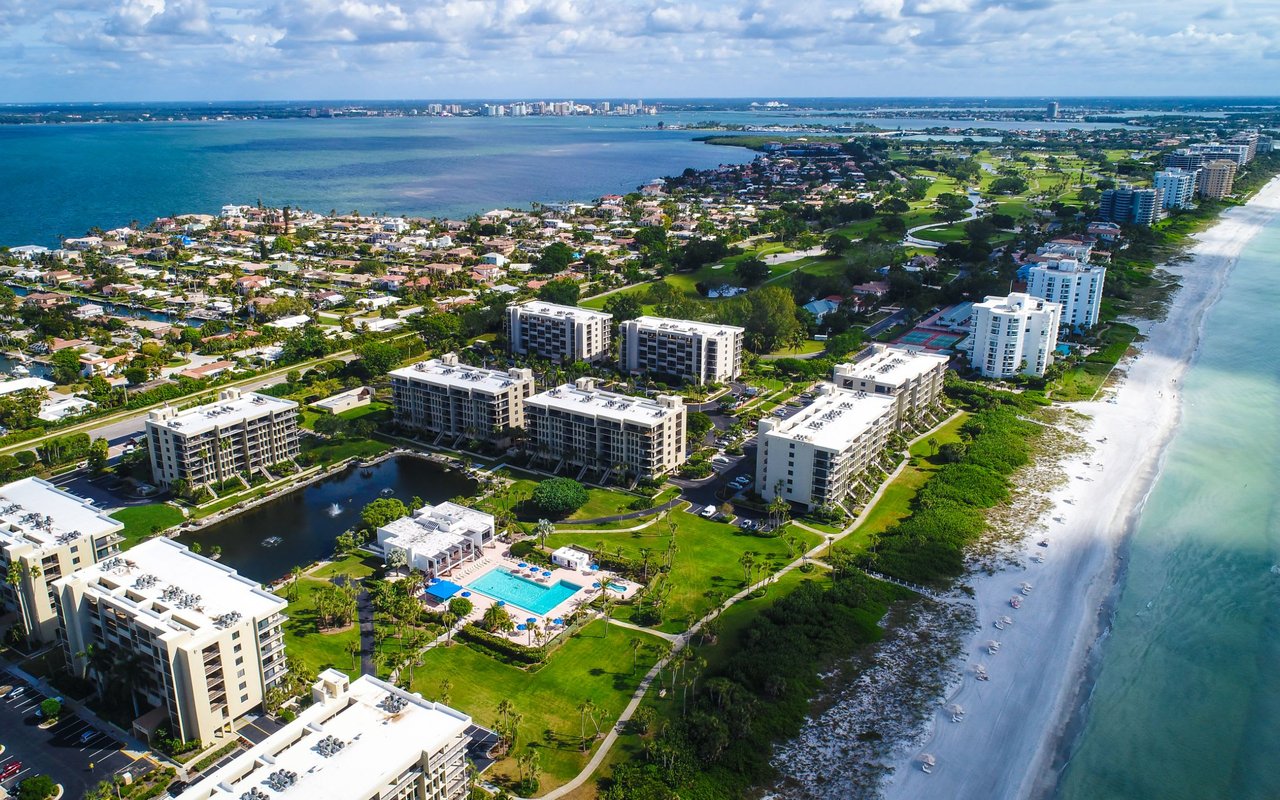
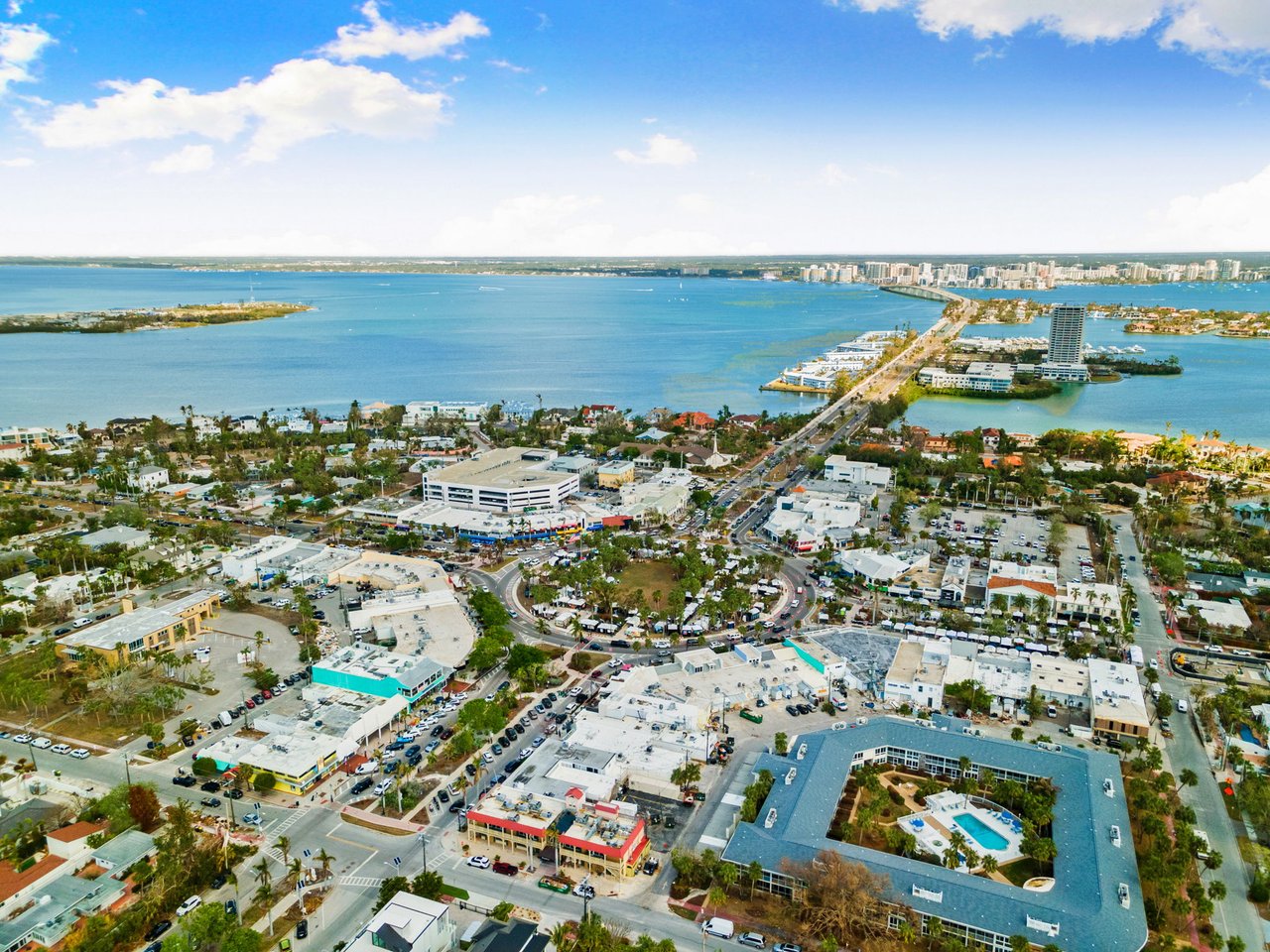
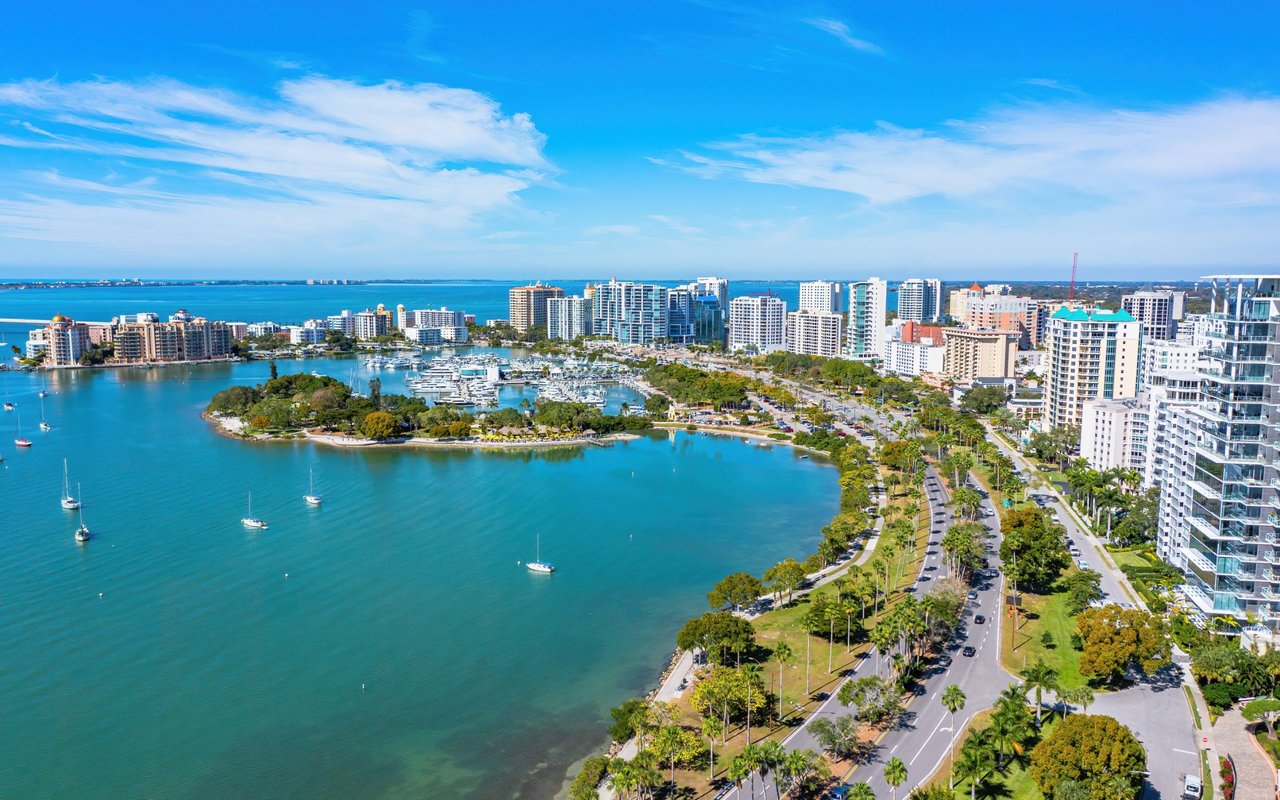
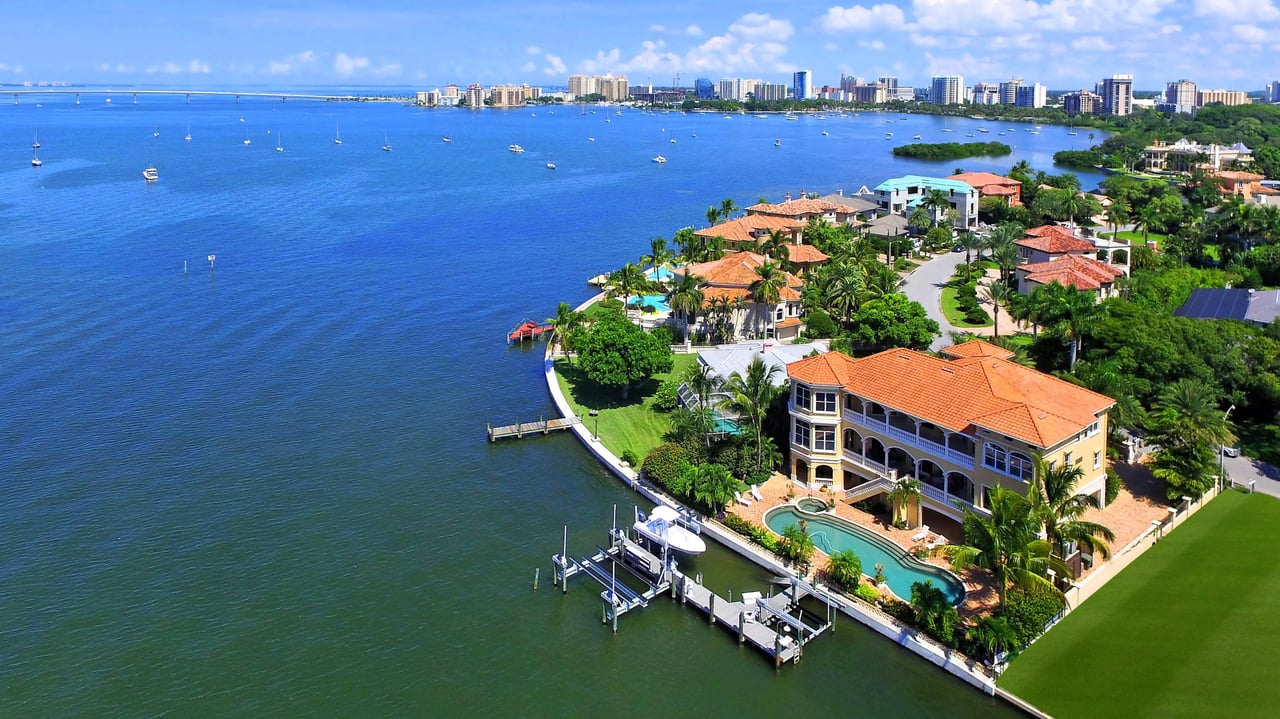
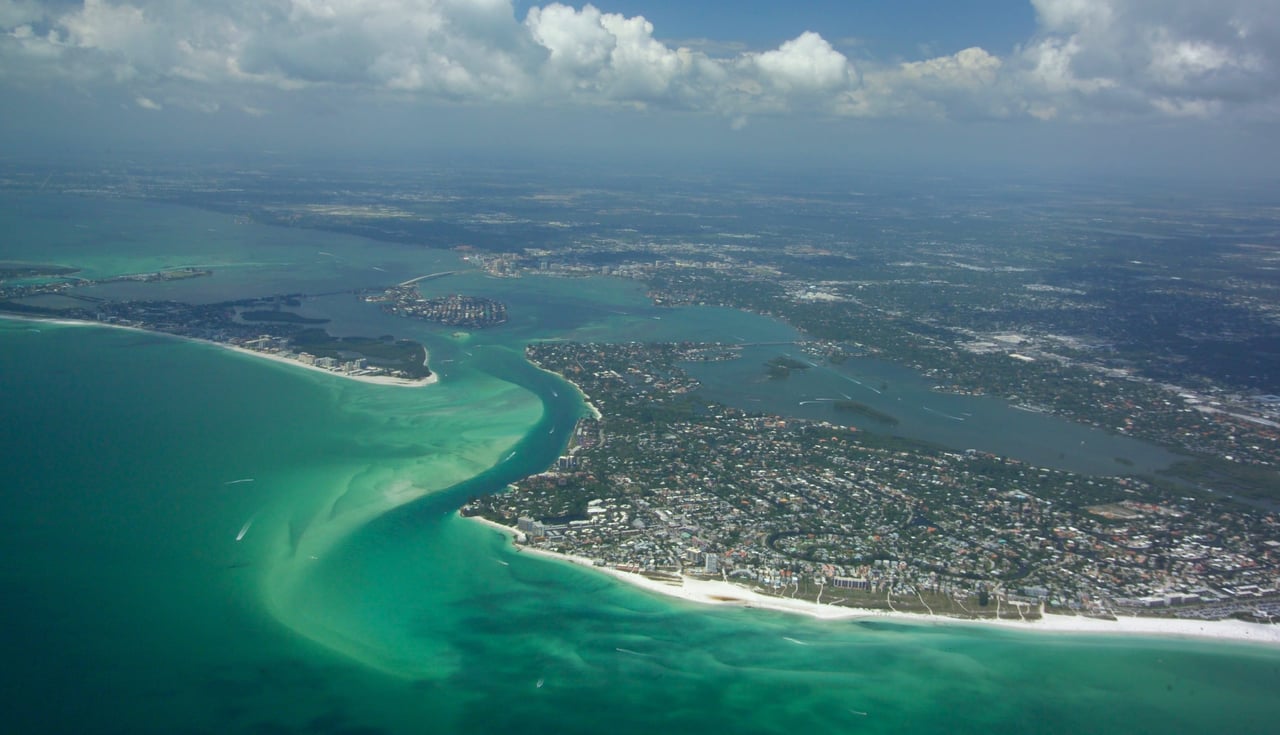
Bird Key sits in Sarasota Bay between downtown Sarasota and St. Armands Circle. Many homes have seawalls and space for private docks on the open bay, interior canals, or smaller protected coves. The island’s central position offers relatively direct access to Sarasota Bay and routes to Gulf passes.
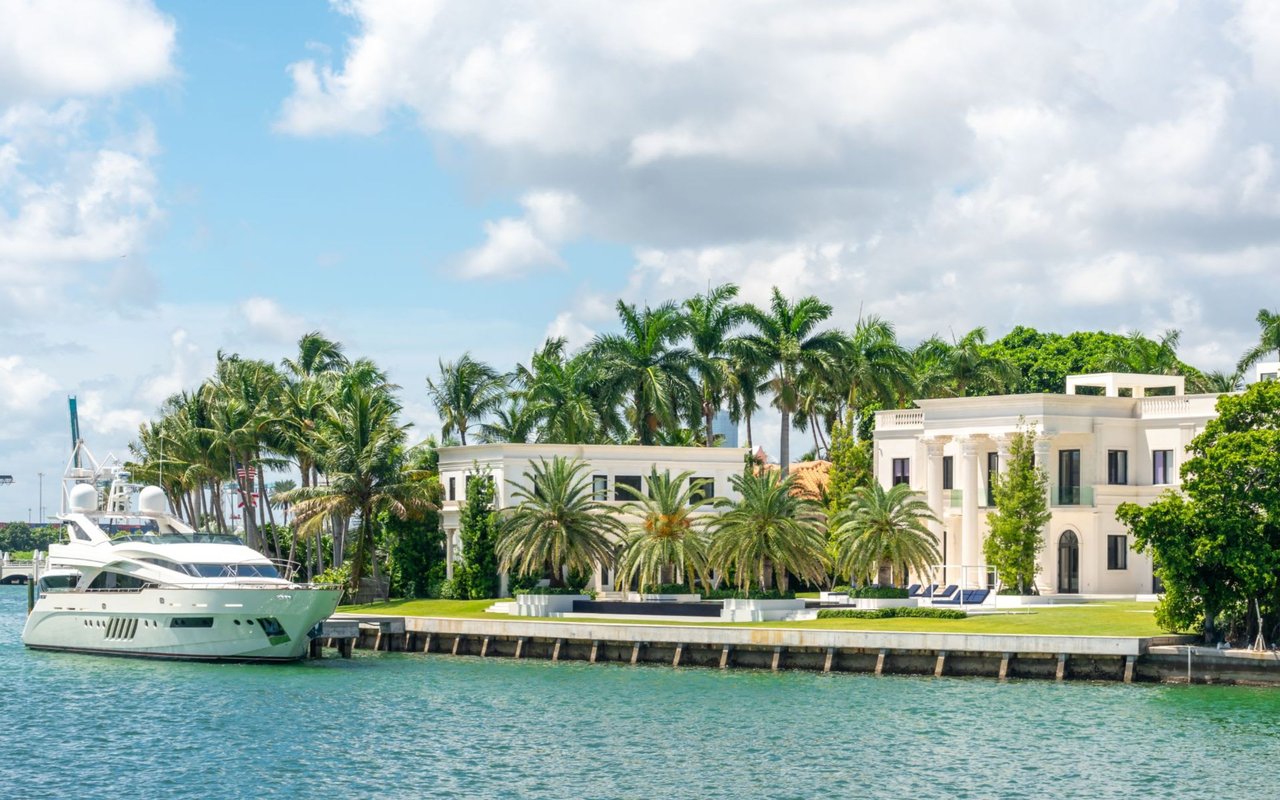
Lot sizes and water frontage vary across the island. Bayfront parcels tend to offer wider views and often larger frontages, while canal and harbor sites can be narrower but more sheltered. Because you’re buying both land and water utility, your dock potential, channel depth, and exposure matter as much as the address.
Quick comparison: bay vs canal vs harbor
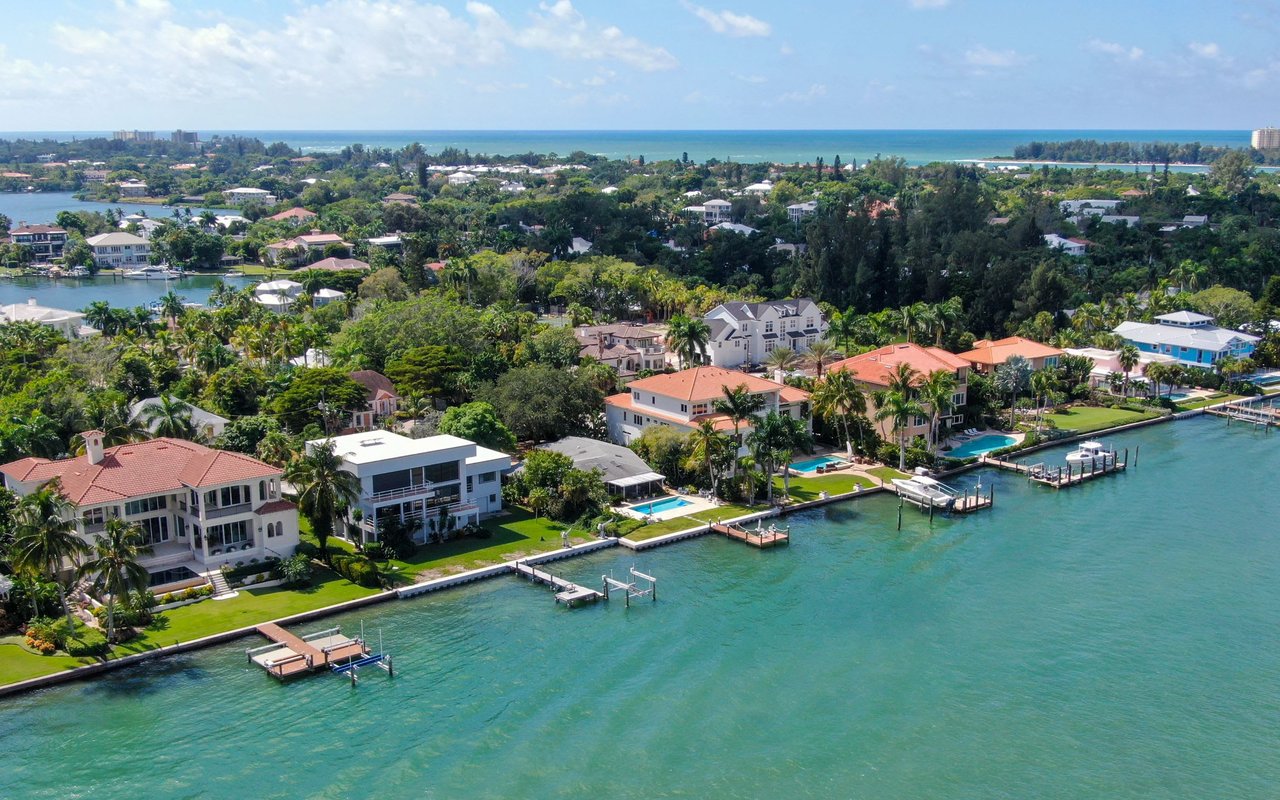
- Bayfront: Fastest access and the widest views. Highest wind and wake exposure. Often the premium tier.
- Deep canal: Balanced access with added shelter. Depths and turning areas vary by canal segment.
- Harbor/cove: Maximum protection and calm water. Best for small to mid-size boats and paddlecraft.
Boating access and navigation
Your boat and how you plan to use it should lead your decision. Compare your vessel’s draft, beam, and turning needs to the real-world depth and channel layout behind each lot.
Bayfront access
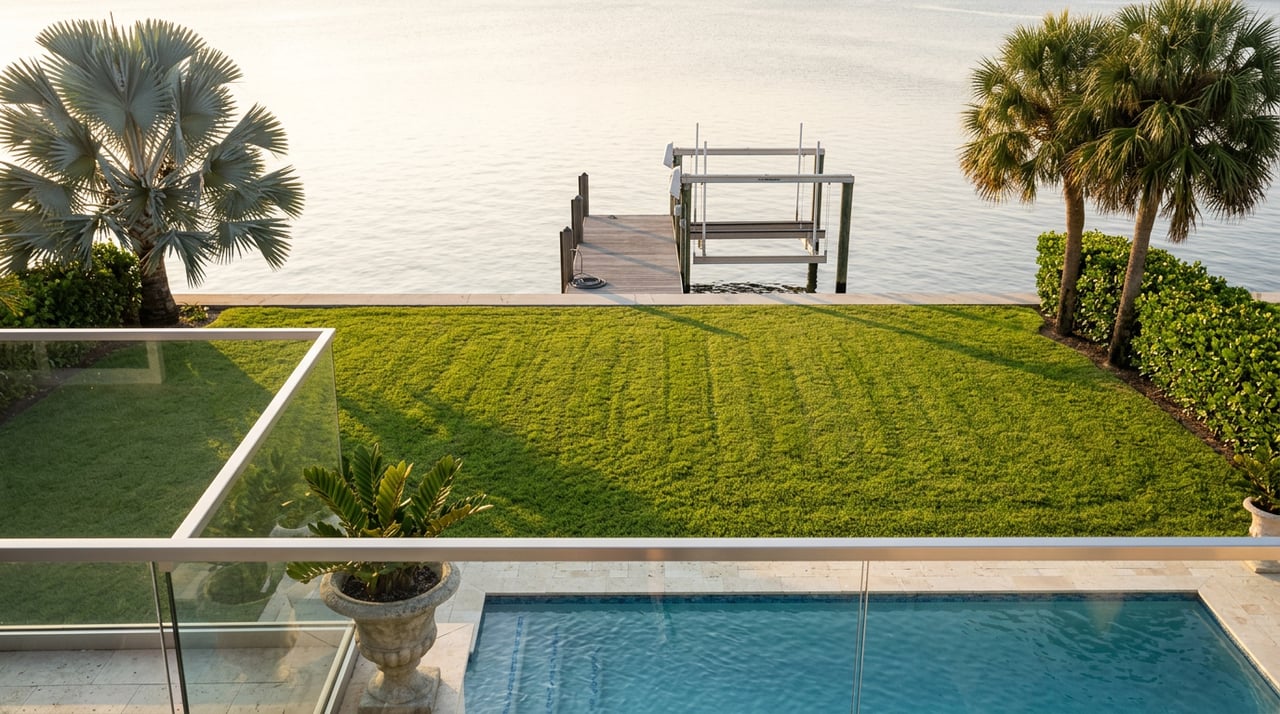
Bayfront lots typically open directly to Sarasota Bay with unobstructed navigation. You’ll usually have fewer tight turns and can reach bay routes and Gulf passes more quickly. Depths off the dock are often favorable for larger boats and yachts. Plan for dock designs that account for deeper water and swing-room.
Deep canal access
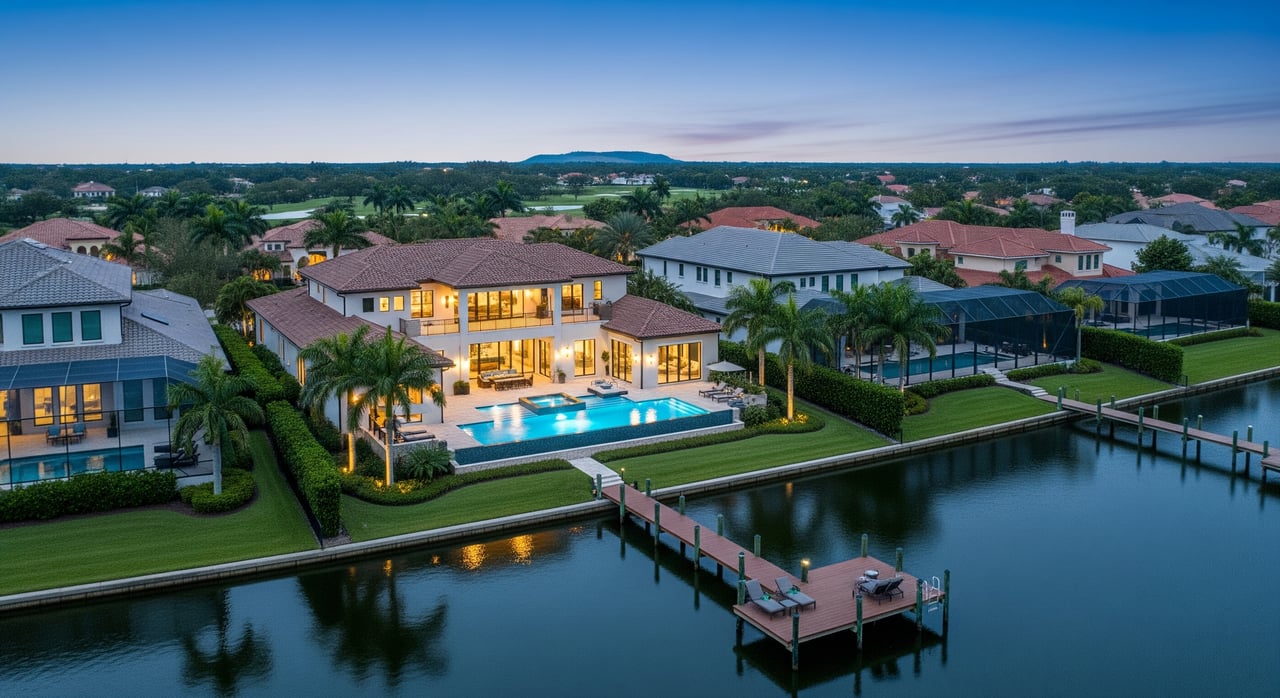
Canal parcels connect to the bay through dredged waterways designed for deeper-draft pleasure craft. You gain protection without giving up direct access. Depth, width, and turning basins can vary from block to block. Confirm any restrictions on dock length and check for low-clearance obstacles along your route.
Harbor and protected cove access
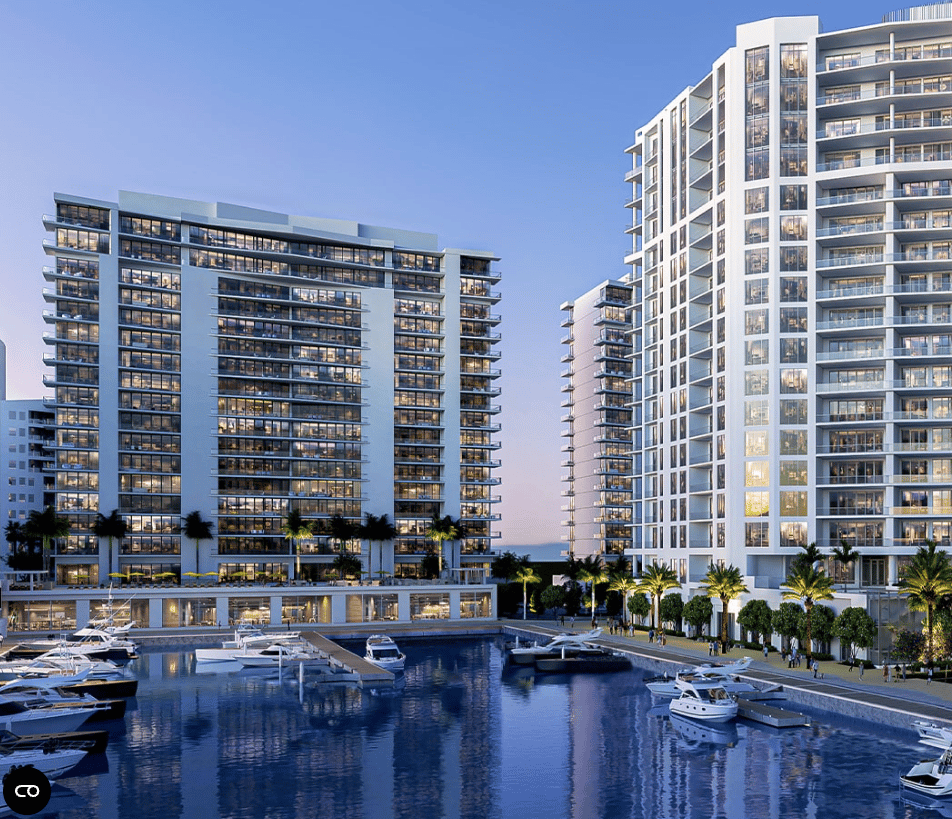
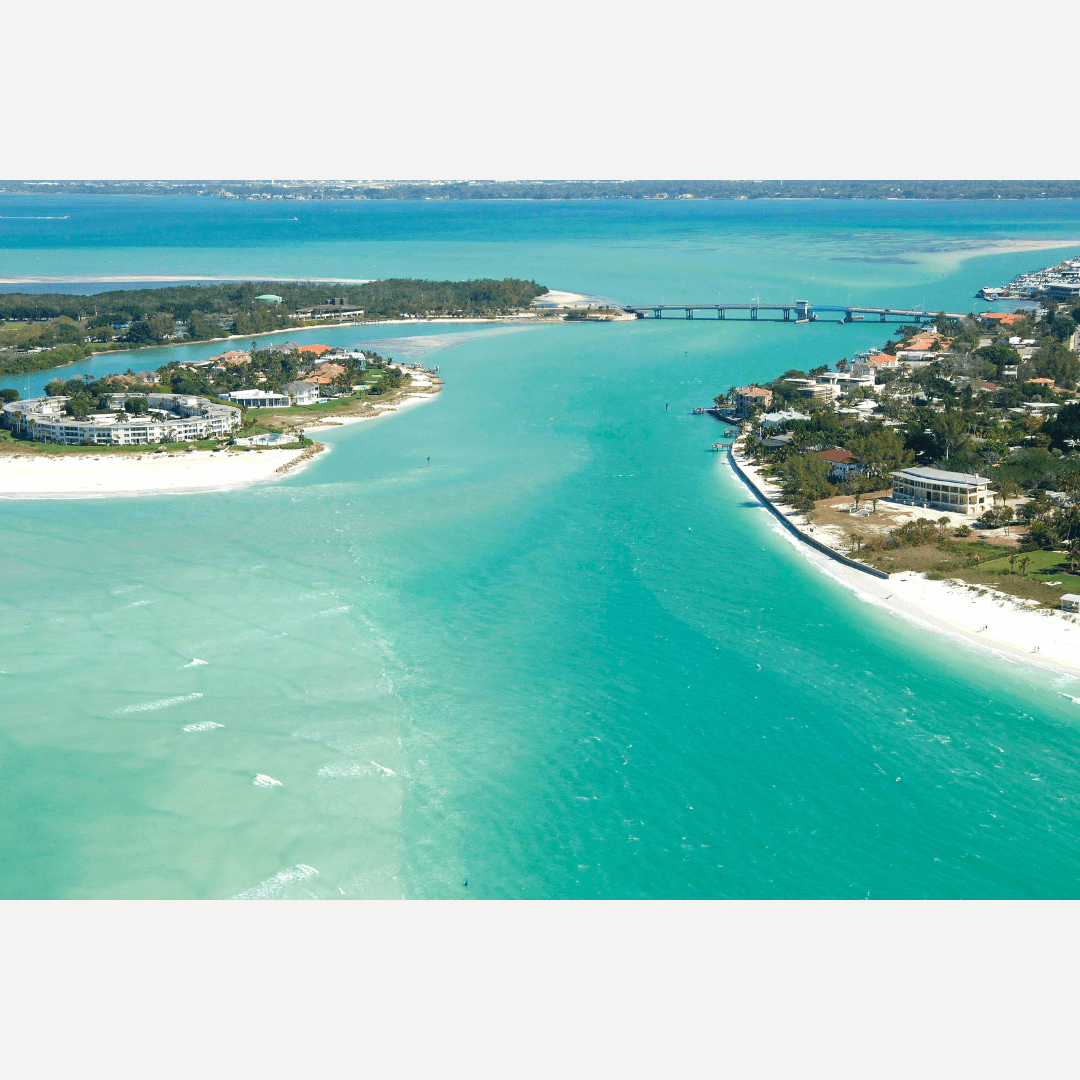
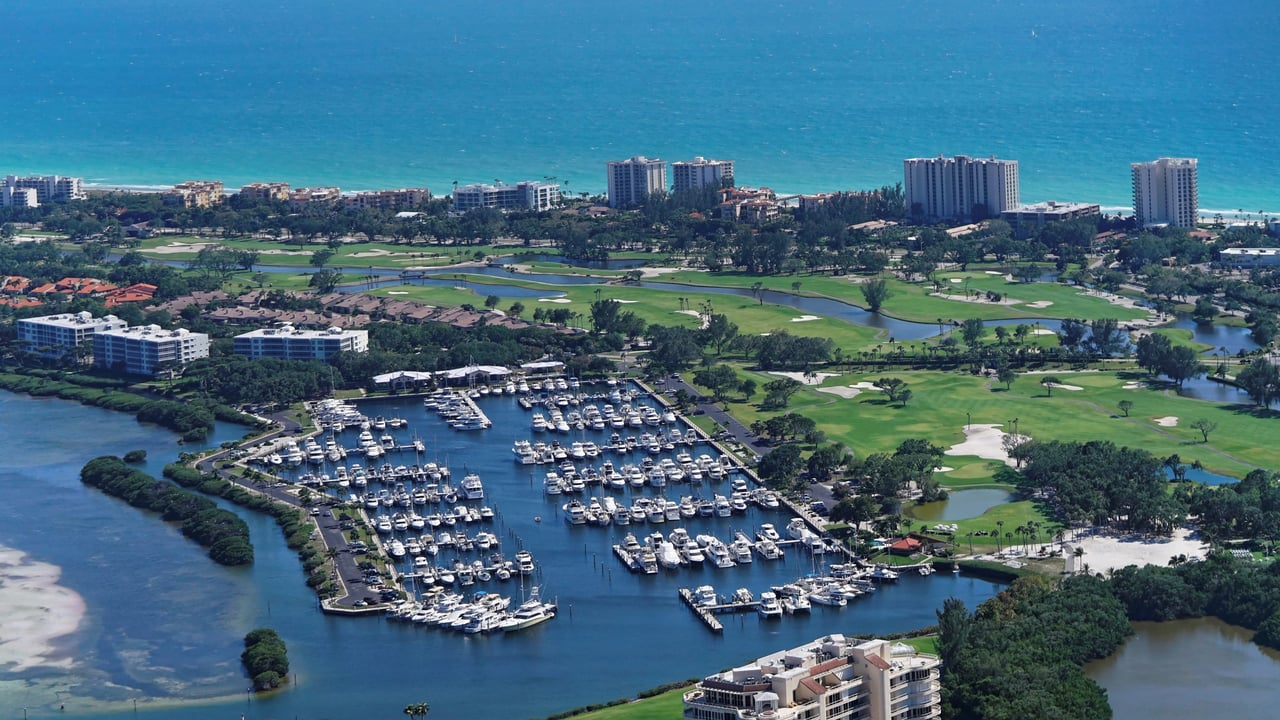
Harbor and cove lots feel like marina pockets with calm water and tight wind protection. They are ideal for small to mid-size boats, lifts, and paddlecraft. Entries can be narrower, and some areas are more shallow or require periodic dredging. Very large yachts may be constrained by width or depth.
What to verify before you buy:
- Actual water depths at mean low tide near your dock site and along the route.
- Channel width, turning radius, and slip length vs. your boat’s specs.
- Dredging history, who maintains the channel, and any upcoming assessments.
Wind, wake, and comfort
How a property handles a breezy weekend is as important as how it looks on a calm morning.
- Bayfront: Highest exposure to wind and boat wake. Expect more chop and surge on windy days. You may need sturdier dock and lift systems and careful mooring for sensitive vessels.
- Canal: Moderately sheltered and generally calmer than the open bay. Some canals can funnel wakes if they connect to busy routes, but shorelines typically see less chronic wake stress.
- Harbor/cove: Lowest exposure. Calm-water mooring and comfortable dockside living are the norm, especially for paddlecraft and smaller boats.
Tip: Visit target lots at different times, including busy weekend afternoons and quieter weekdays. Look for patterns in wake, wind direction, and boat traffic.
Privacy and view tradeoffs
Views and privacy are subjective, but you can think in terms of openness versus enclosure.
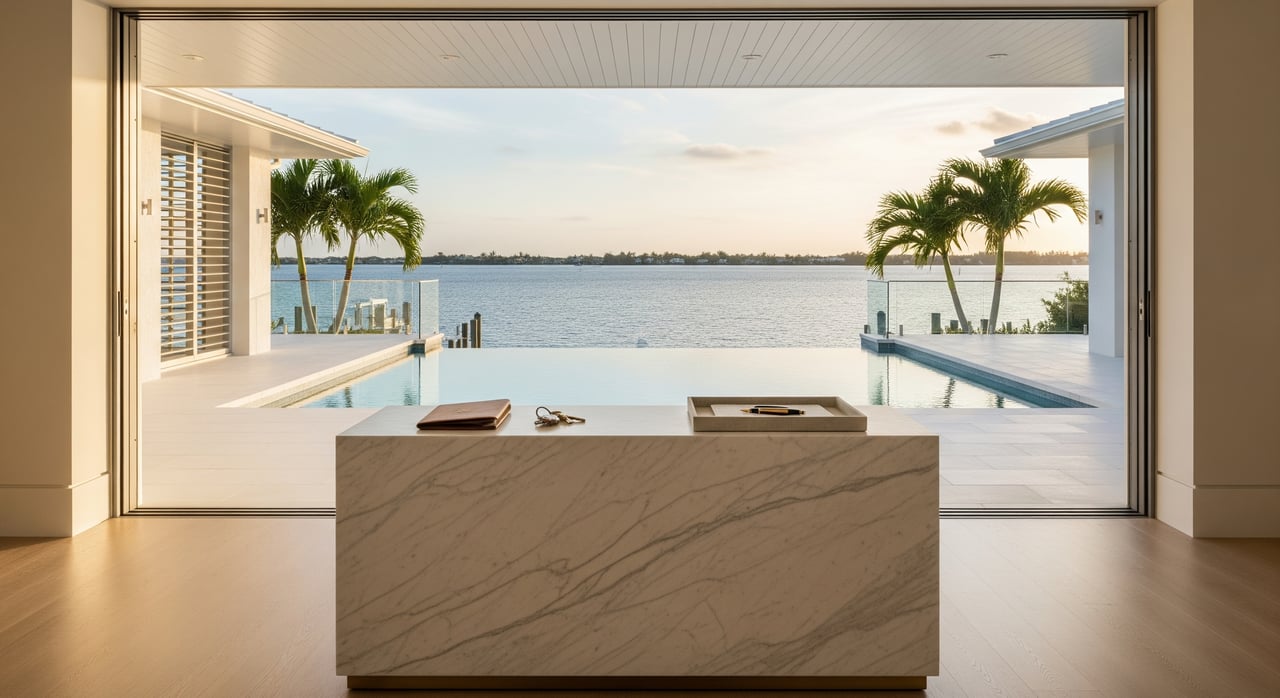
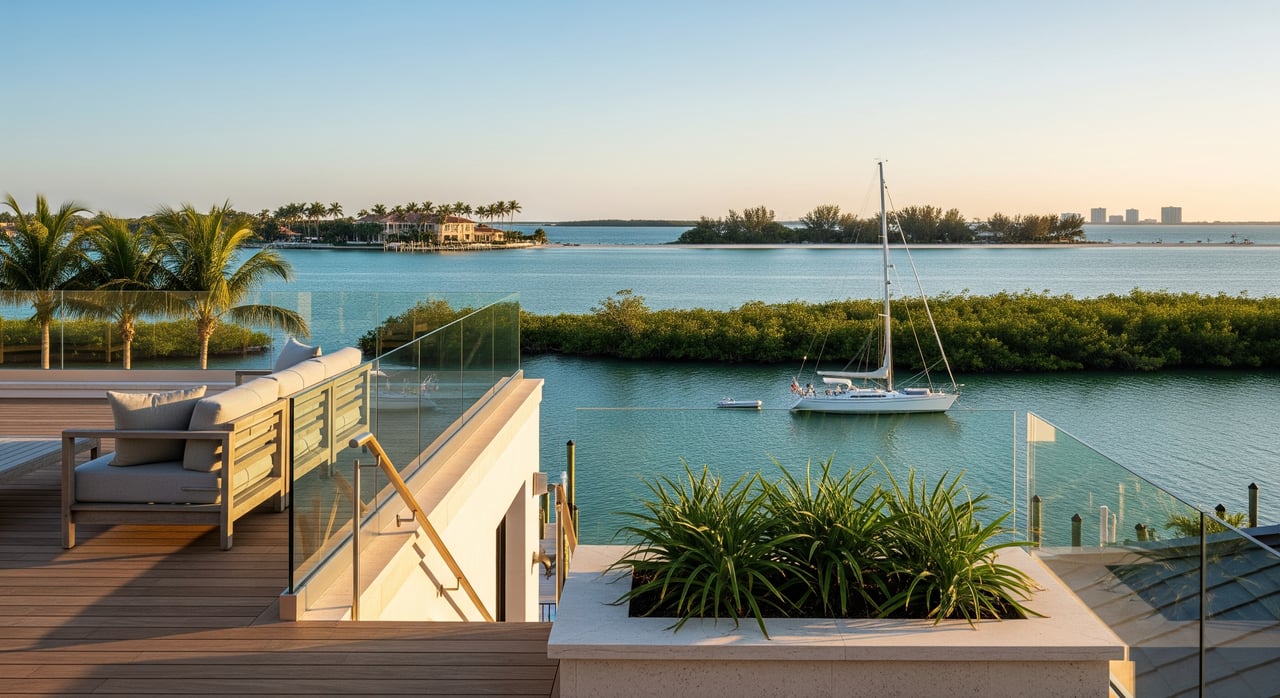
- Bayfront: Broad, panoramic views and strong natural light. You may see more passing boats and feel more visible from the water or nearby shorelines.
- Canal: Pleasant, focused water views with neighboring docks in sight. Typically more private than the bay, though homes across the canal are closer.
- Harbor/cove: Intimate, enclosed feel with minimal through traffic. Views may be more green or marina-like rather than expansive, which many buyers find charming.
Lot orientation, seawall design, and landscaping can change the feel dramatically. Two adjacent lots with the same exposure can live very differently.
Dock, seawall, and maintenance
Waterfront utility is as much about infrastructure as it is about location. Plan for due diligence on everything from seawall age to lift capacity.
- Seawalls and erosion control: Most lots have seawalls. Ask for repair records and permits to estimate remaining life and replacement costs.
- Dock permits and restrictions: Dock work often requires Sarasota County permits and sometimes state or federal review. Setbacks, lengths, heights, and configurations are regulated, and inner waterways can have stricter limits.
- Dredging: Canals and coves may require periodic dredging. Determine whether costs are private, shared, or supported by public programs.
- Materials and lift systems: Timber, composite, and aluminum systems age differently in saltwater. Budget for cyclical maintenance, fastener replacement, and lift service.
Smart move: Commission a dock and seawall inspection early, and request copies of all relevant permits and recent work orders.
Permits, environment, and insurance
Coastal properties come with added rules and risk factors. Understanding them upfront avoids surprises.
- Flood and storm risk: All Bird Key waterfronts sit in a coastal flood environment. FEMA flood zones, base flood elevations, and elevation certificates directly influence insurance costs and options.
- Windstorm exposure and building codes: Insurance premiums reflect roof age, hurricane protection, and construction standards. Older structures may predate current codes.
- Environmental resources: Mangroves, seagrasses, and submerged aquatic vegetation can limit dock placement, piling locations, and dredging. Expect environmental review for significant shoreline work.
- Insurance availability and costs: Carriers evaluate flood zone, finished-floor elevation, construction type, mitigation features, and claims history. Obtain quotes early from coastal-focused agents.
Where to check: Sarasota County Property Appraiser and County GIS for parcel data, Sarasota County permitting and environmental services for dock/seawall records, FEMA flood maps and elevation certificates, Florida Department of Environmental Protection, NOAA nautical charts and tide data, and the U.S. Army Corps of Engineers for certain waterside permits.
Market patterns and pricing tiers
Think of Bird Key waterfront pricing in relative tiers rather than fixed numbers that can change with the market.
- Bayfront: Typically commands the highest premium due to expansive views, larger lot frontages, and direct bay access. Many trophy properties are bayfront.
- Deep canal: Mid to high tier depending on frontage width, depth, turning space, and dock infrastructure. Well-configured canal lots can approach bayfront prices.
- Harbor/cove: Ranges from value-oriented to premium based on privacy, improvements, and proximity to downtown and amenities.
Other variables that move the needle include lot size, seawall and dock condition, permitted slip size, view orientation, renovation status, and elevation. Review current comps and improvements case by case.
How to choose your best-fit lot
Use a simple framework anchored in your boating needs and risk tolerance.
- Define your boat profile and usage
- Length, beam, draft, and whether you need a lift or live-aboard slips.
- Frequency of outings and typical routes to the bay or Gulf.
- Match the waterway to your vessel
- Bayfront for larger boats and fastest routes.
- Canal for balanced access and shelter.
- Harbor for maximum calm and small to mid-size craft.
- Verify technical fit on-site
- Measure depth at mean low tide, confirm turning basins, and check for bridge or overhead constraints.
- Talk with a marine surveyor and local dock contractor about feasibility and costs.
- Evaluate exposure and comfort
- Visit on windy and busy days to gauge wake and noise.
- Inspect current dock and lift specs and get upgrade quotes if needed.
- Assess regulatory path and cost of ownership
- Pull flood maps and an elevation certificate, then obtain insurance quotes.
- Ask for permitting history, environmental constraints, and any dredging responsibilities.
Professionals to engage early
- Coastal or marine surveyor for depth and channel assessments.
- Dock and seawall contractor for condition and replacement timelines.
- Real estate agent with Bird Key waterfront expertise for comps and strategy.
- Coastal construction or structural engineer if renovations or seawall work are planned.
- Flood insurance broker for coverage options and pricing.
The bottom line
Choosing between a bayfront, canal, or harbor lot on Bird Key comes down to how you plan to use the water, how much exposure you are comfortable with, and what level of dock infrastructure you want to maintain. Bayfront maximizes access and views, canals balance access with shelter, and harbors deliver the calmest water and privacy. The right answer is the one that matches your vessel, your daily routine, and your risk profile.
When you are ready to compare specific lots, bring a clear boating plan, verify depths at low tide, and review permits, insurance, and environmental constraints before you write an offer. A thoughtful, step-by-step process will give you confidence that the lot you choose will live the way you expect for years to come.
If you’d like a curated shortlist of Bird Key waterfronts that match your boat and lifestyle, connect with Schafer Real Estate for private guidance, on-water context, and offer strategy. Tell us your story.
FAQs
What’s the main difference between bayfront, canal, and harbor lots on Bird Key?
- Bayfront offers the fastest access and widest views with the most wind and wake; canals balance access and shelter; harbors provide the calmest water and highest protection.
How do I know if my boat fits a Bird Key canal or harbor lot?
- Measure your length, beam, and draft, then confirm mean low tide depths, channel width, and turning radius with a marine surveyor and dock contractor.
What dock and seawall checks should I do before buying on Bird Key?
- Request permits and repair records, commission a dock and seawall inspection, and get quotes for upgrades or replacement based on age and materials.
How does flood zone and elevation affect Bird Key ownership costs?
- FEMA flood zones and elevation certificates influence insurance options and pricing; obtain quotes early and factor mitigation features into your budget.
Are there environmental limits on new docks or dredging in Bird Key?
- Yes; mangroves, seagrasses, and submerged vegetation can limit placement or require mitigation, and projects often need county, state, or federal review.
Can a well-configured canal lot be as valuable as bayfront?
- In some cases, yes; wide frontage, deep water, strong dock infrastructure, and a prime interior location can push canal values near bayfront levels.
Who typically pays for canal or harbor dredging near a Bird Key home?
- It varies; confirm whether maintenance is private, shared, or supported by local programs, and review past dredging frequency and any assessments.