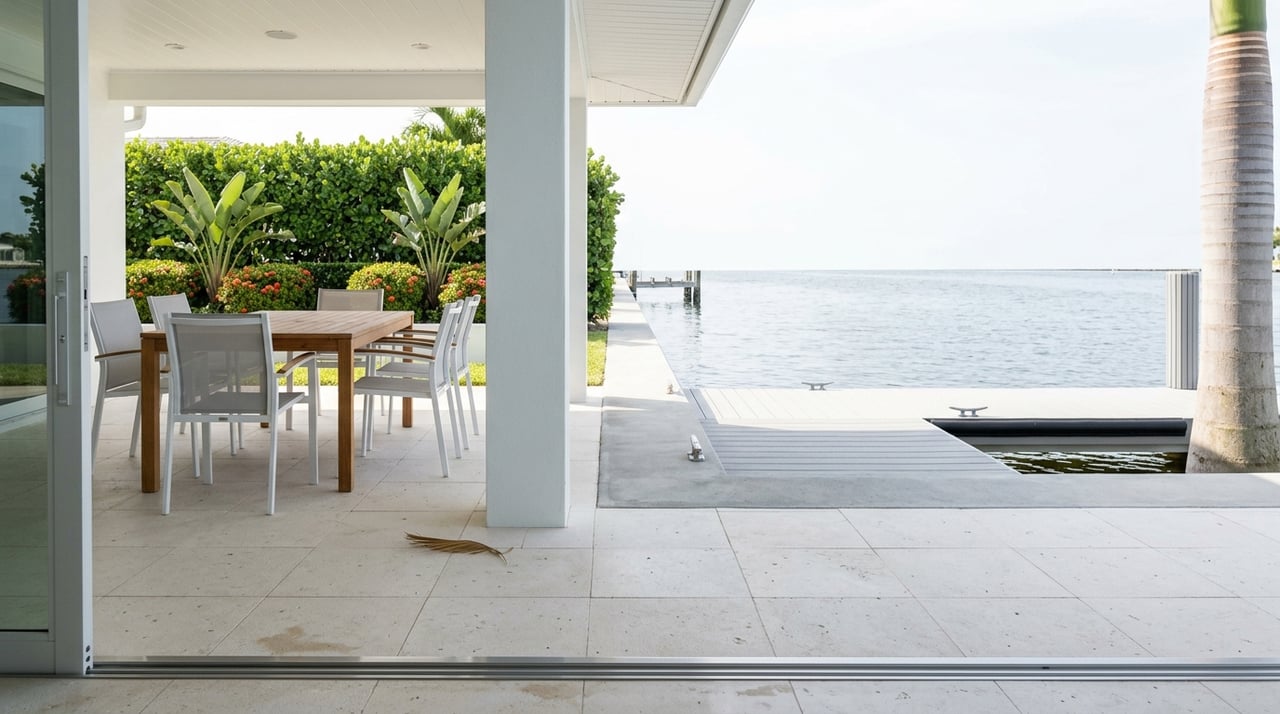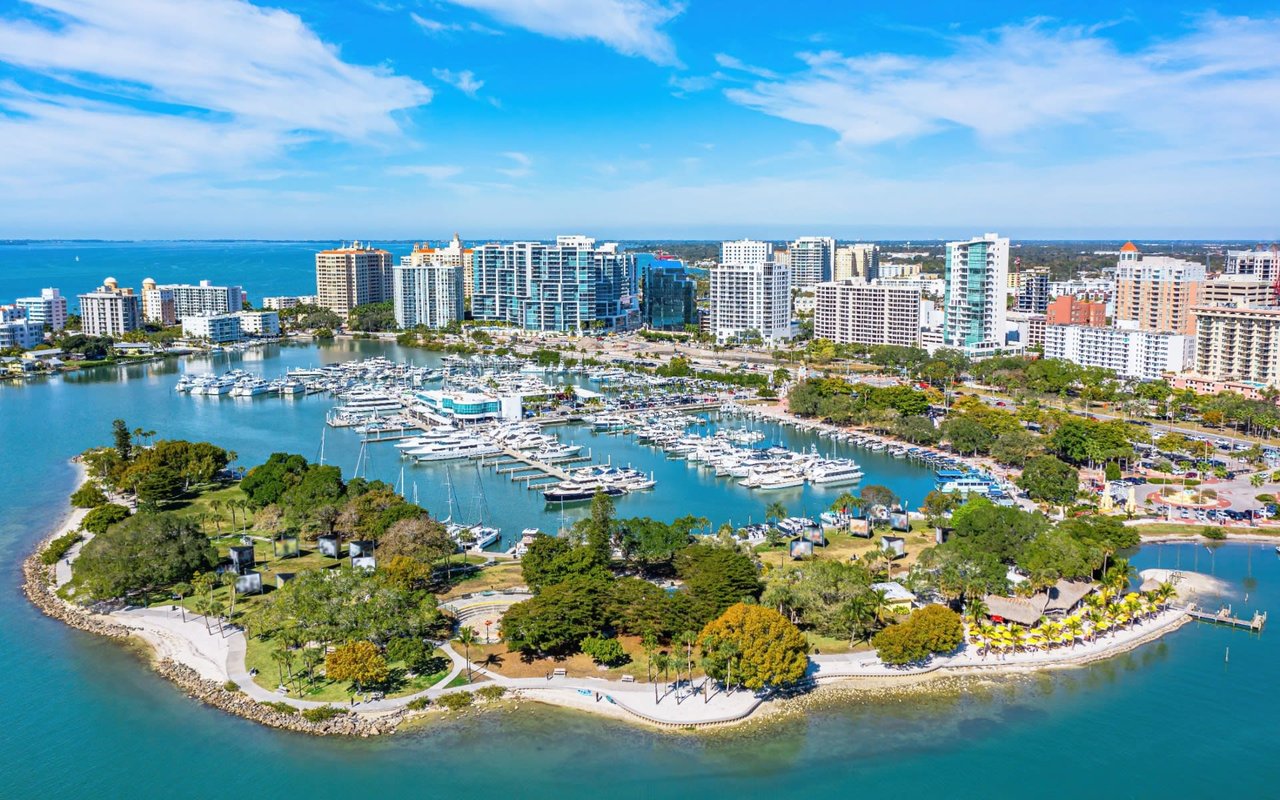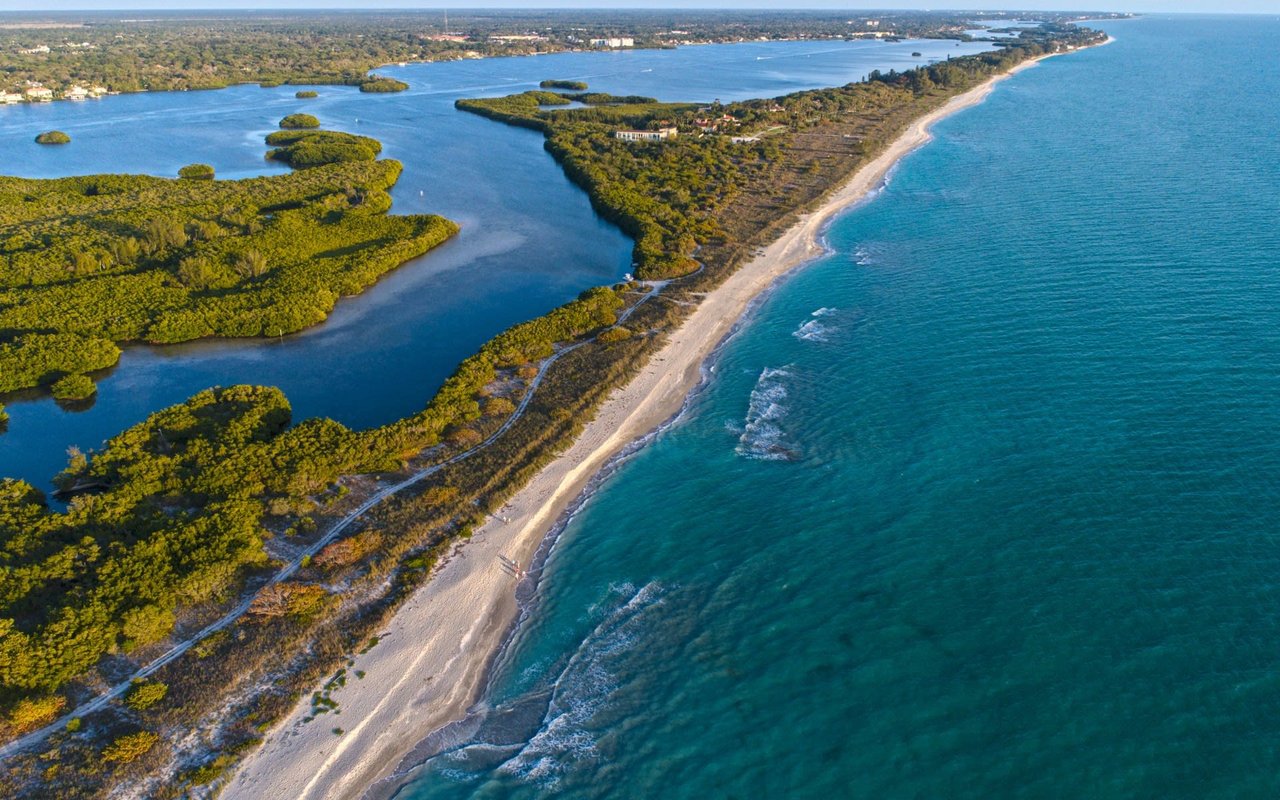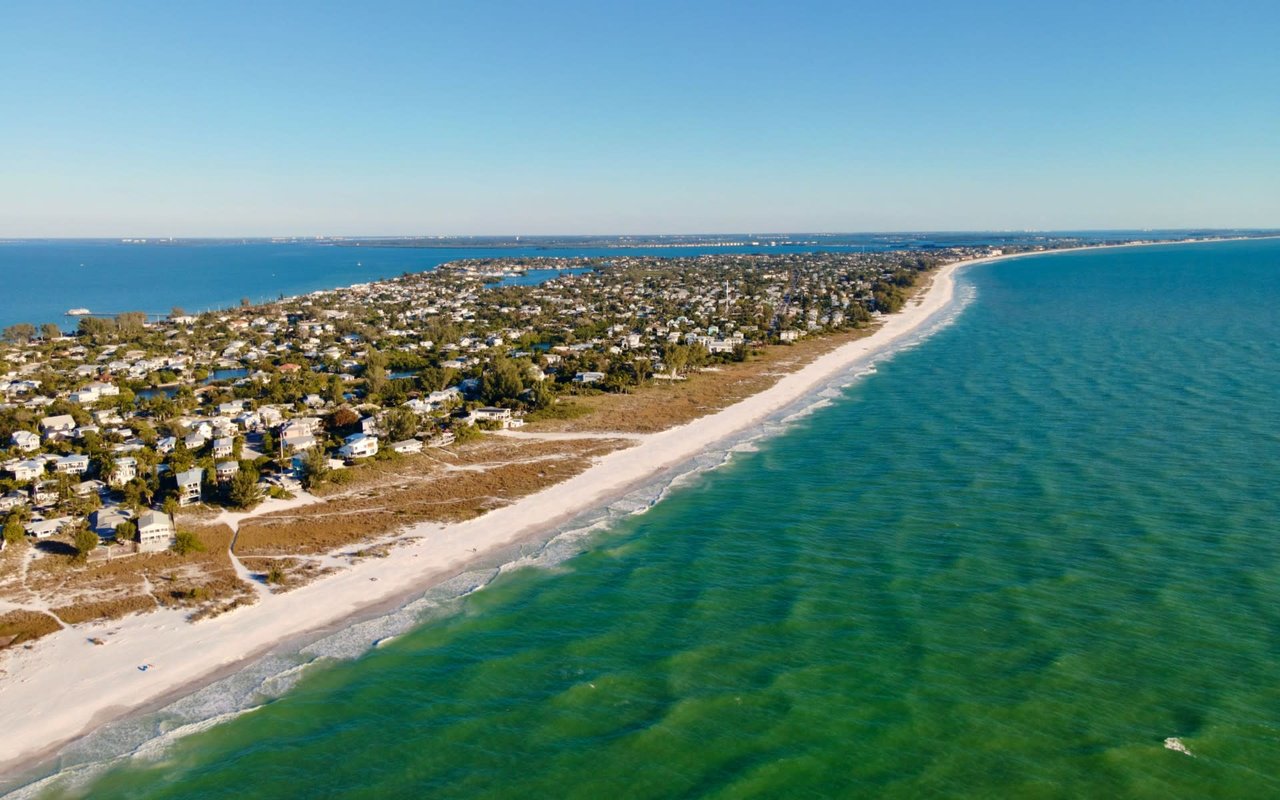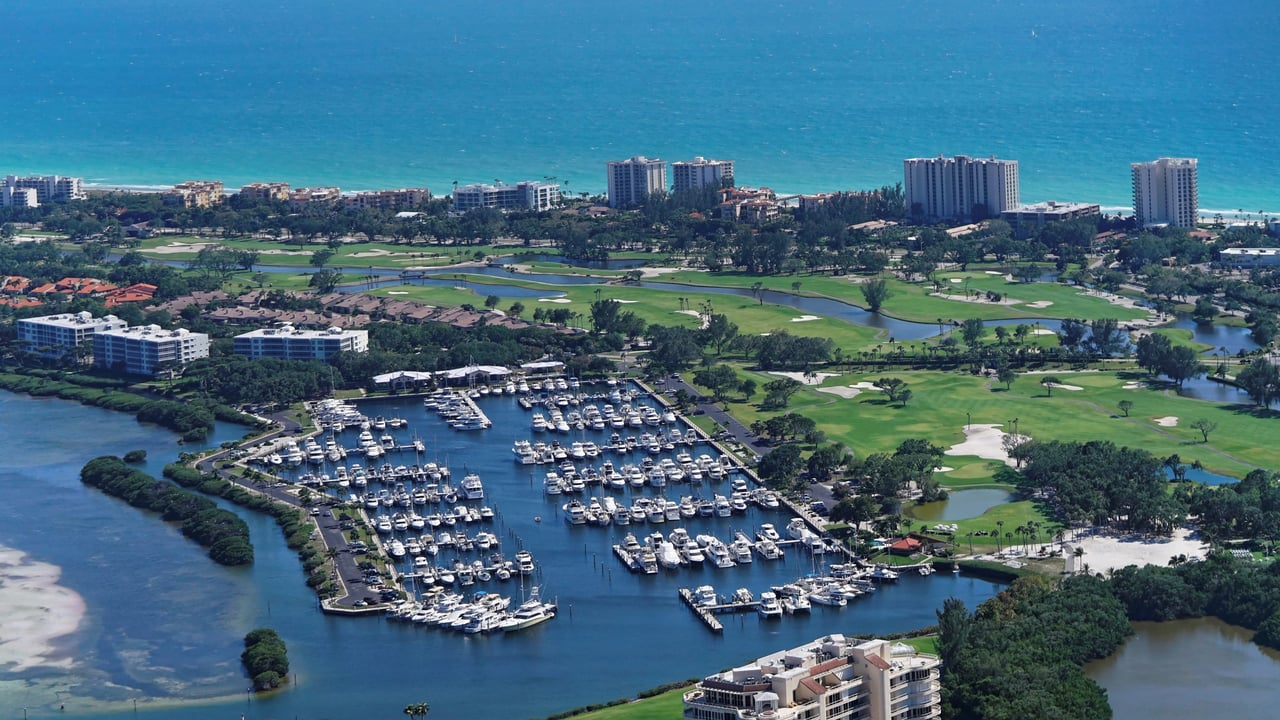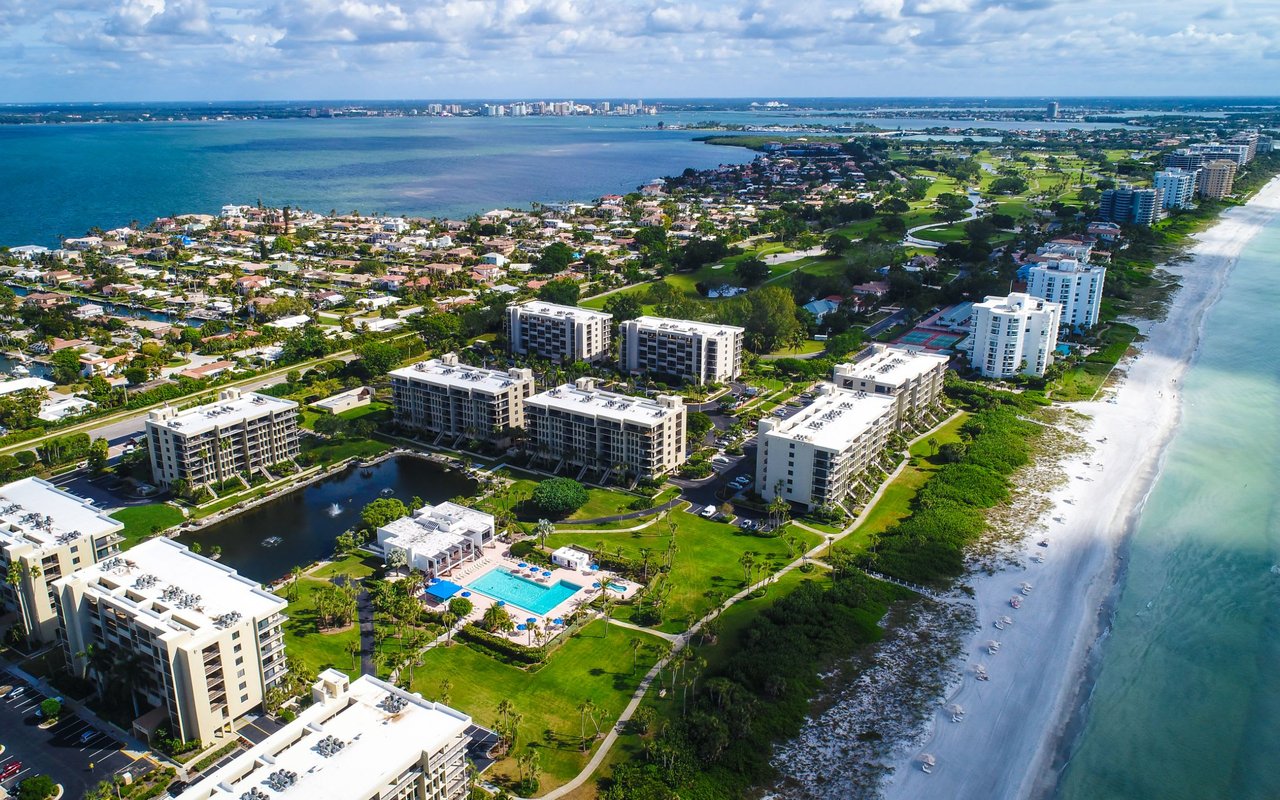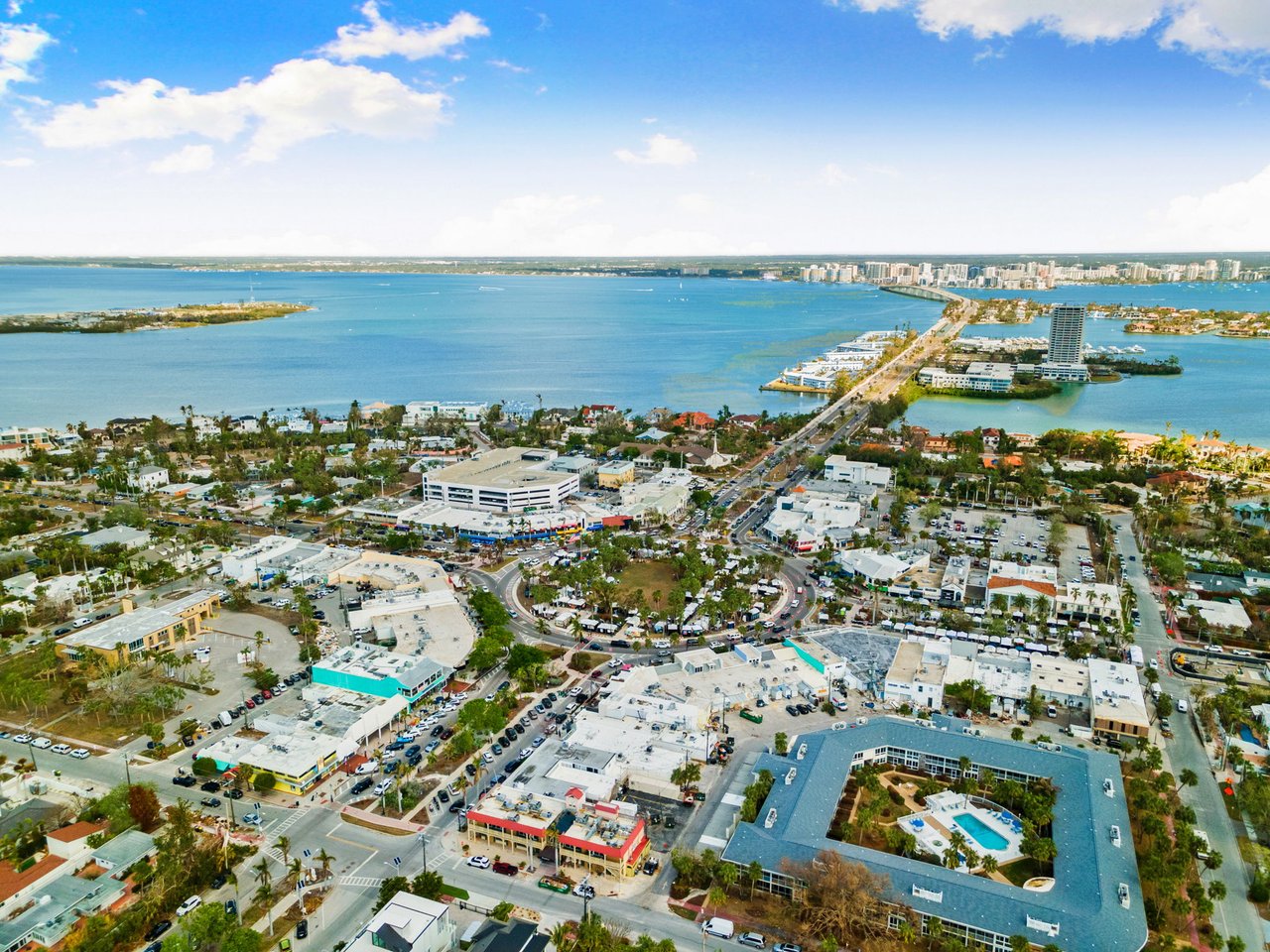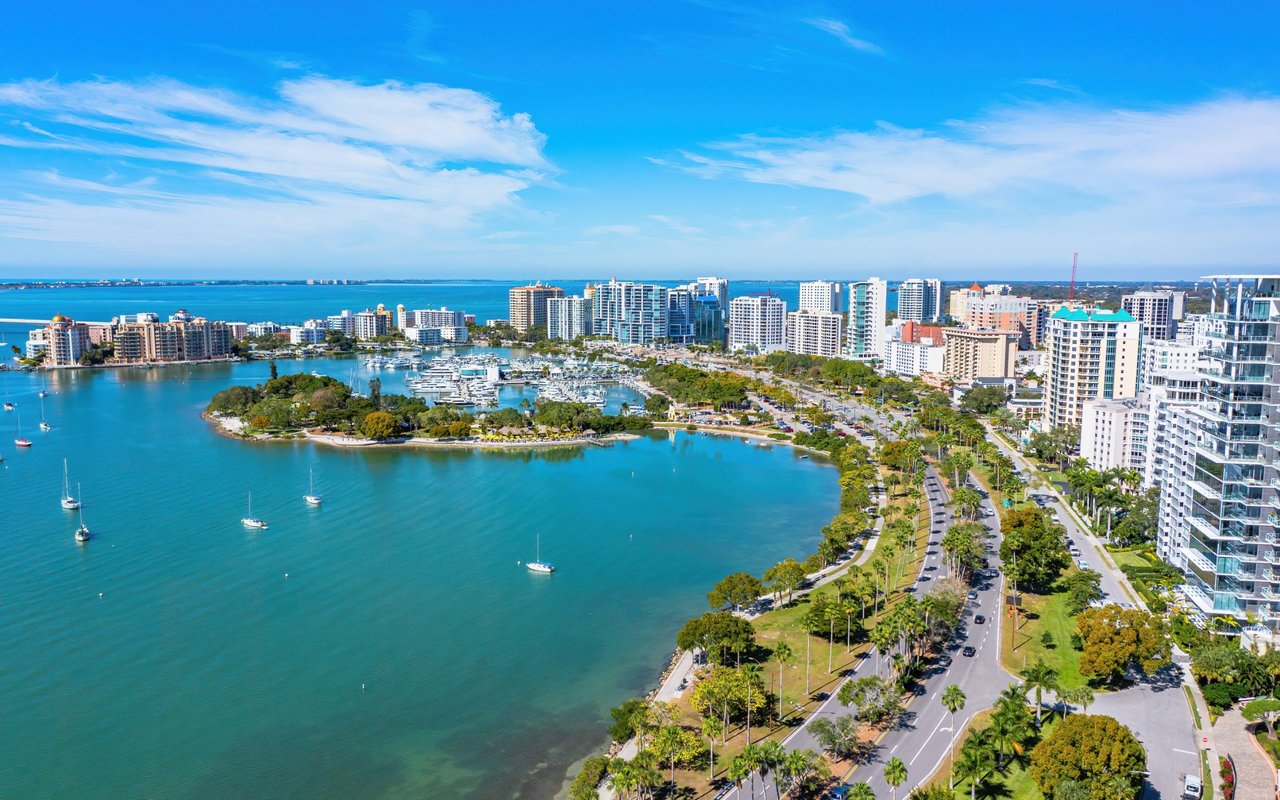

Picture this: coffee on your lanai while dolphins cruise by, then a quick paddle before lunch in the Village. If you are dreaming about Siesta Key waterfront living, you also want to feel confident about tides, docks, permits, and insurance. In this guide, you will learn the key tradeoffs, how to check boating access, what to inspect on docks and seawalls, and a step-by-step plan to buy with clarity. Let’s dive in.
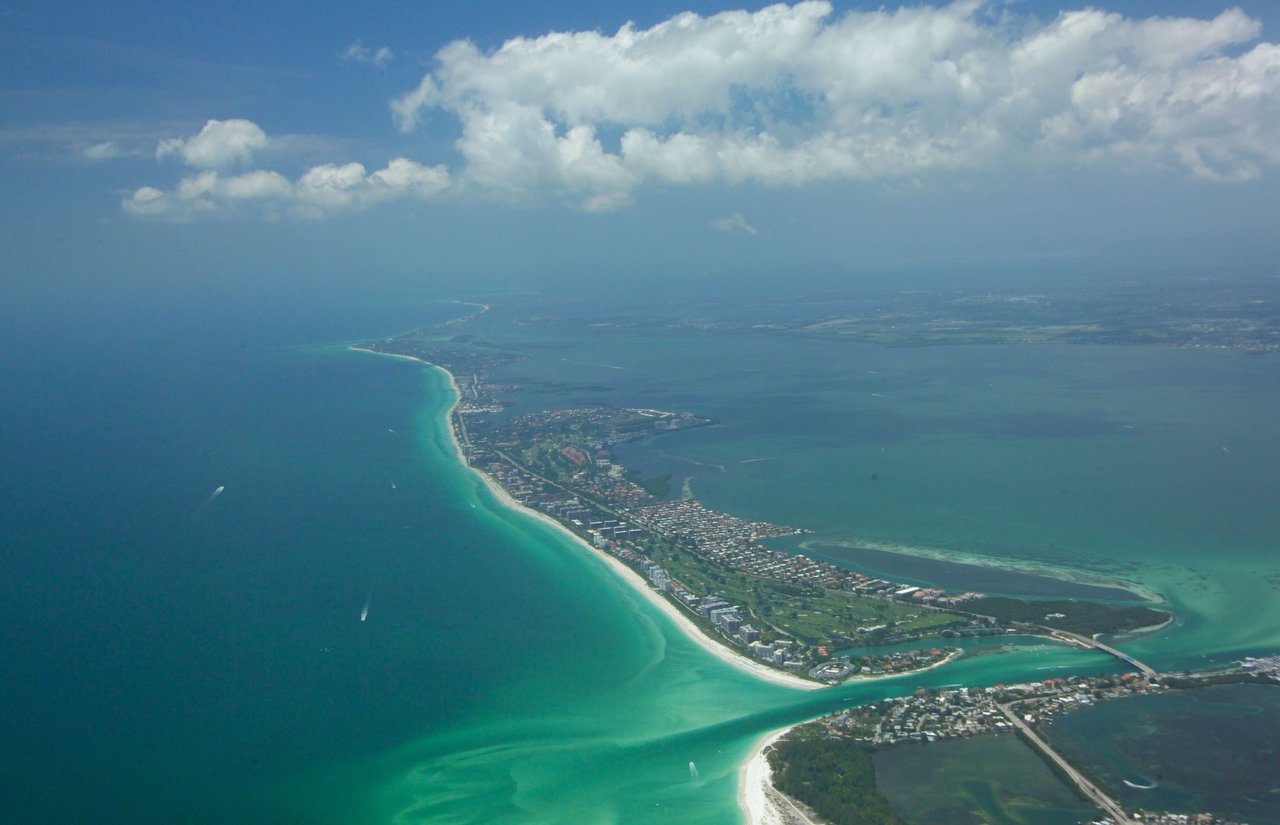
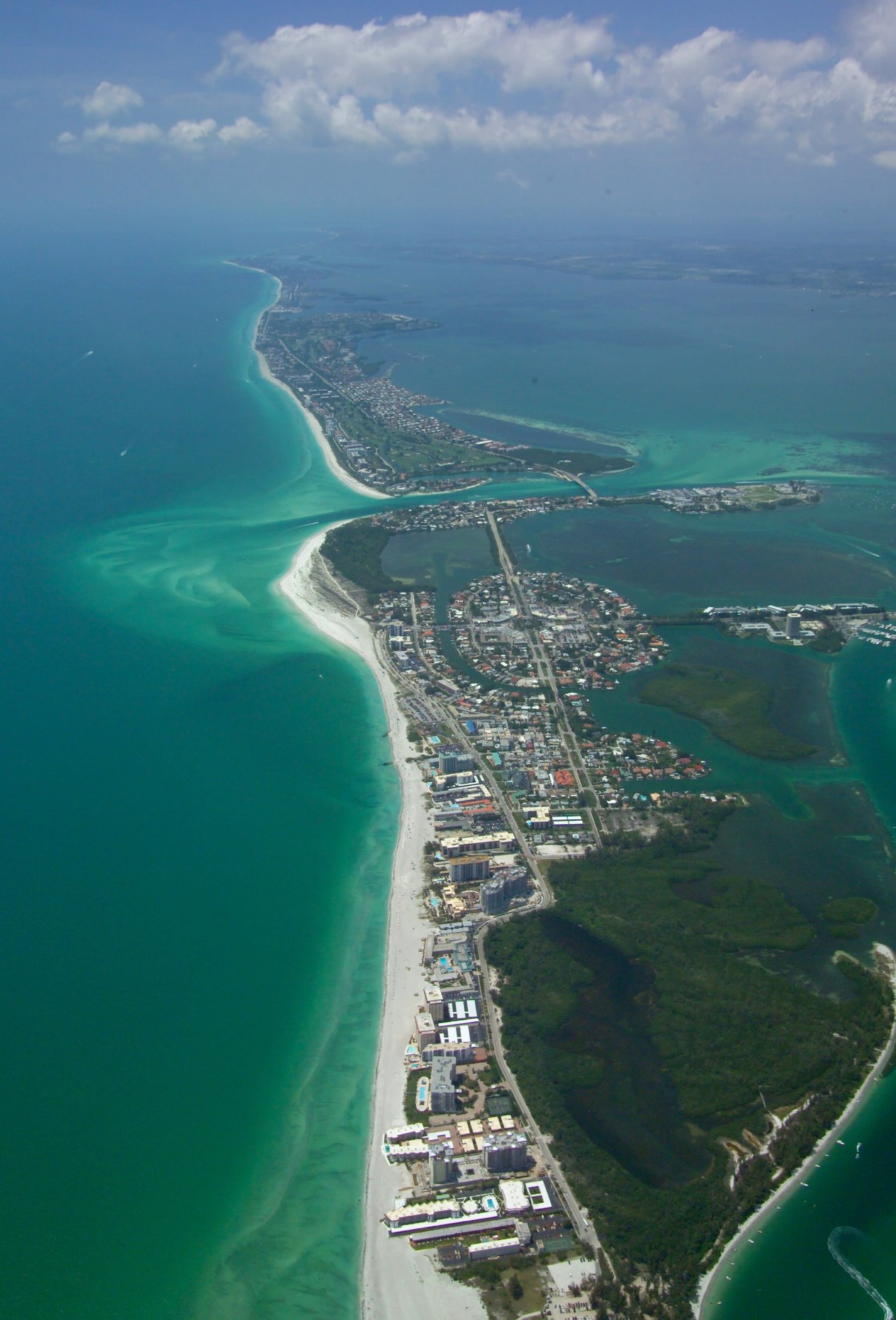
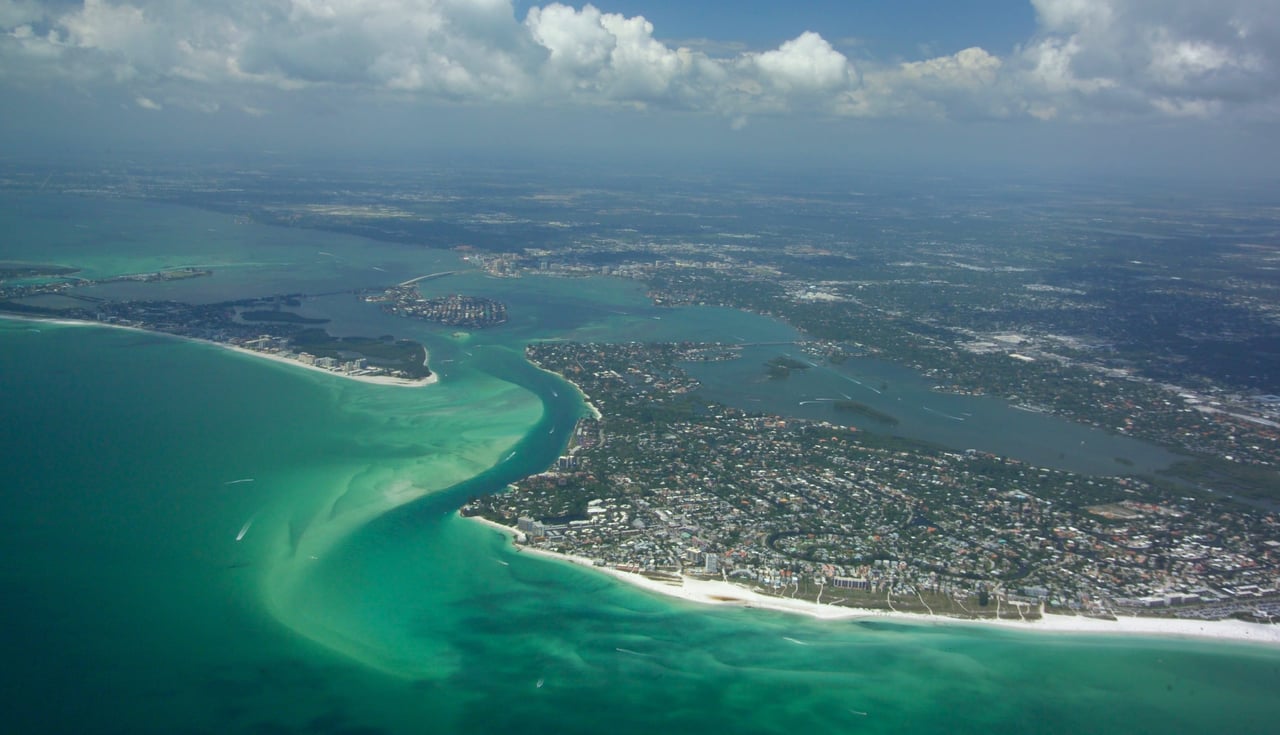
Start with Gulf vs Bay orientation
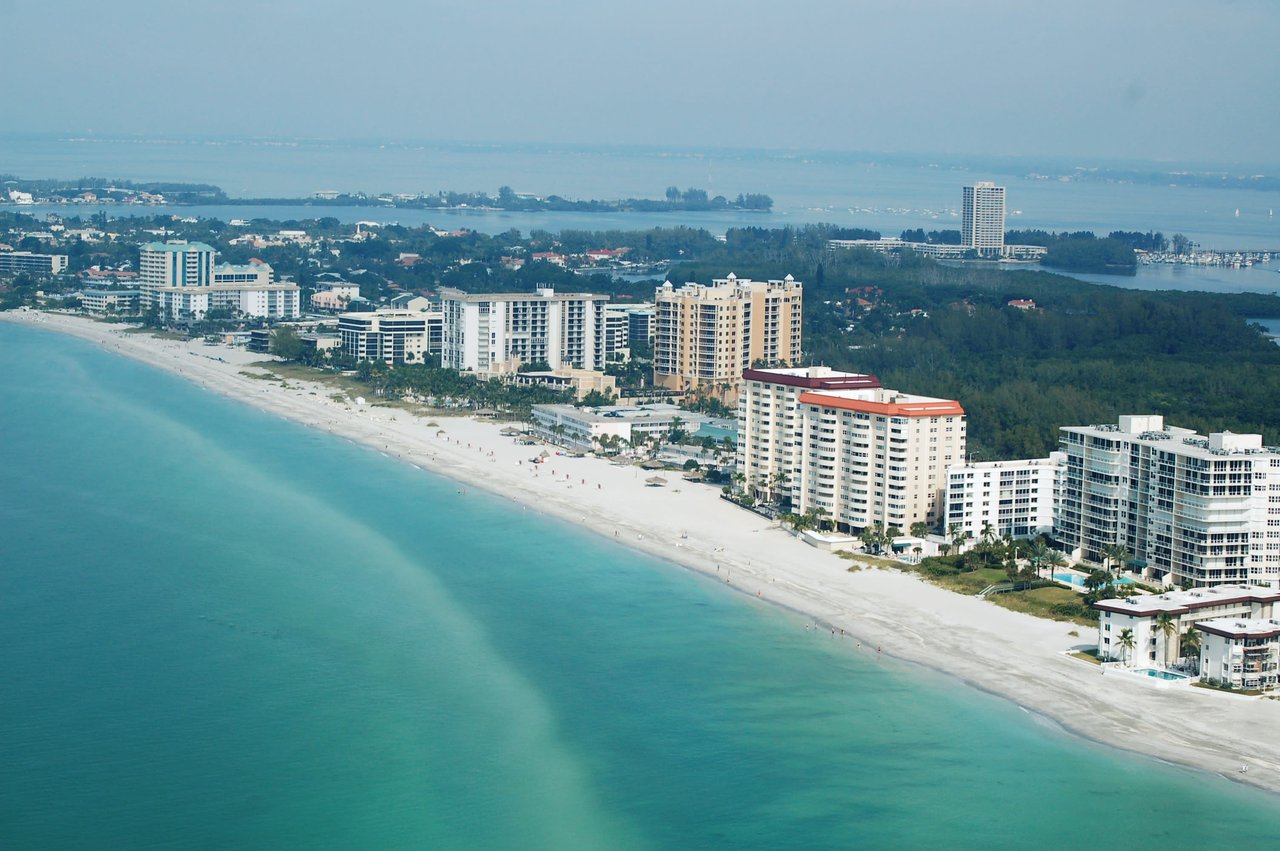
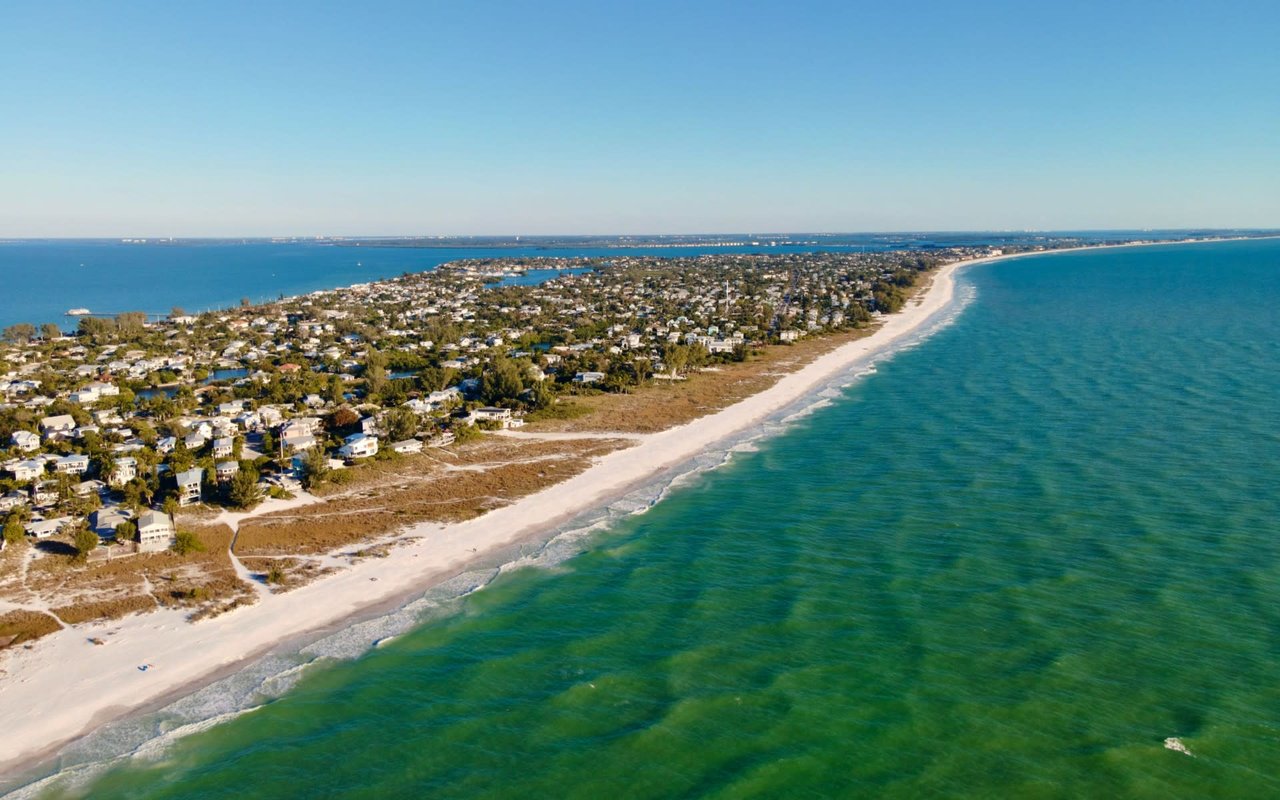
Choosing between Gulf-front and bay-front sets your daily experience and upkeep costs.
Exposure and weather
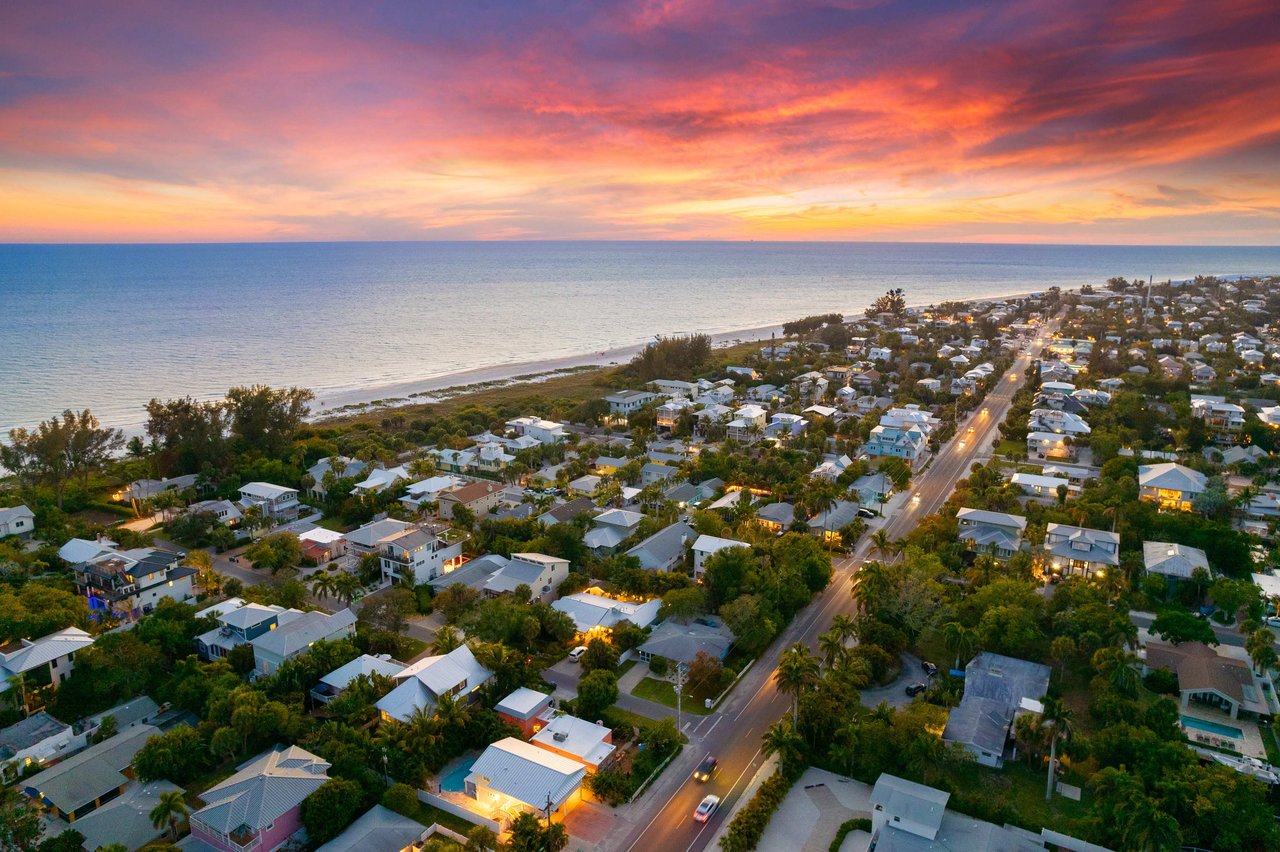
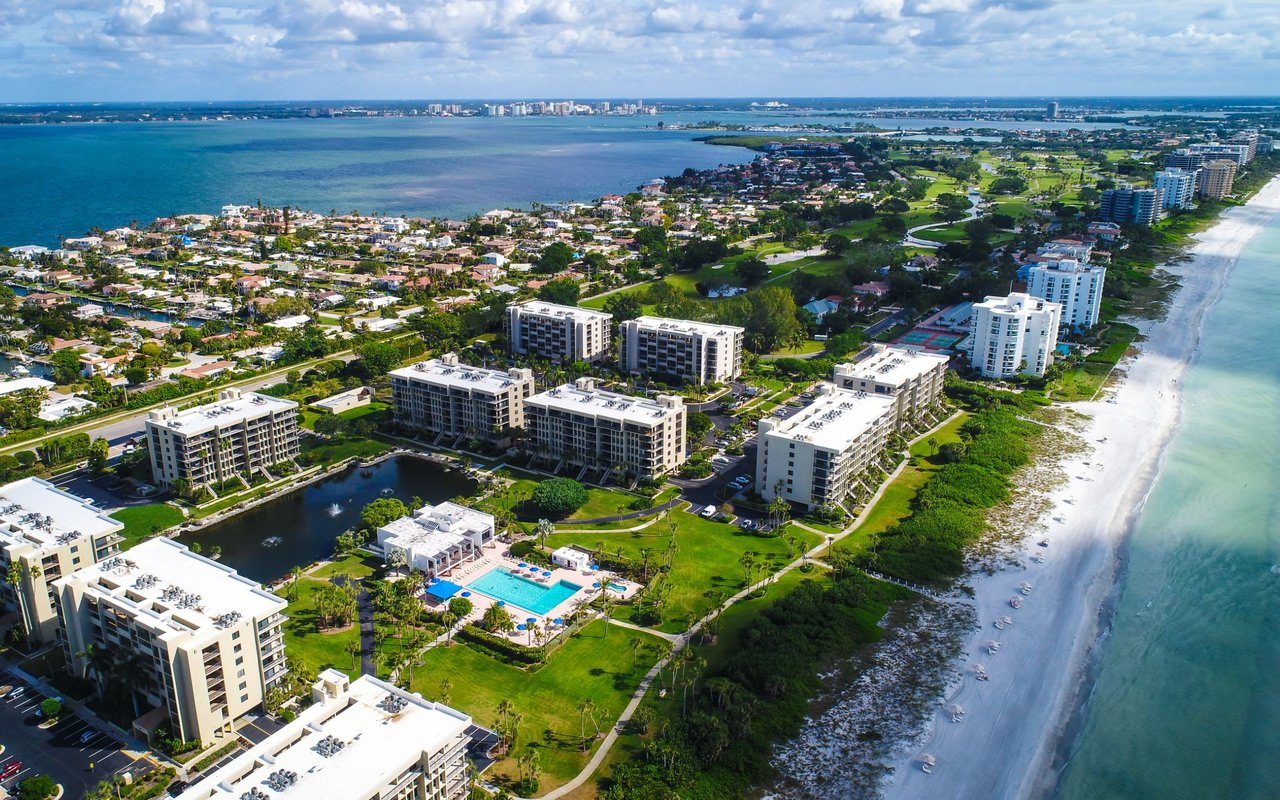
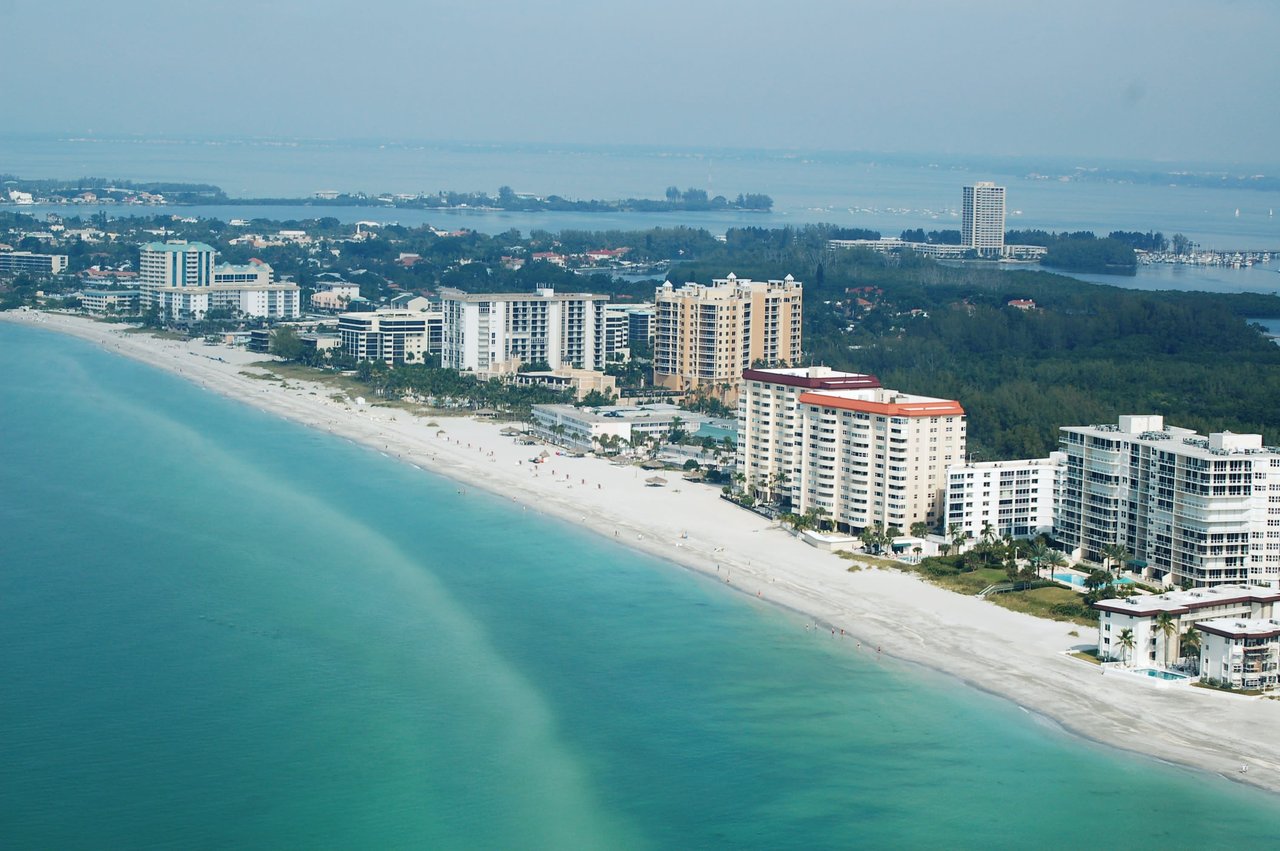
- Gulf (west) frontage offers the classic beach lifestyle and sunsets. It brings more exposure to wave action and storm surge, which can influence engineering requirements and insurance.
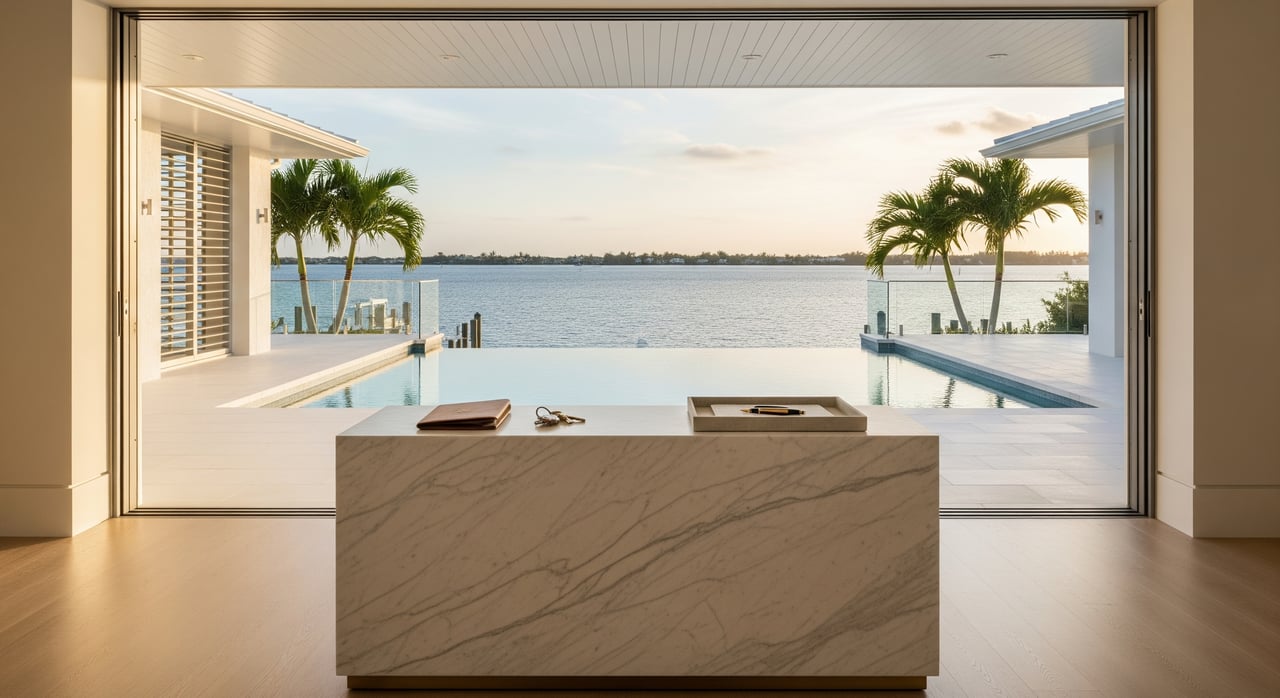
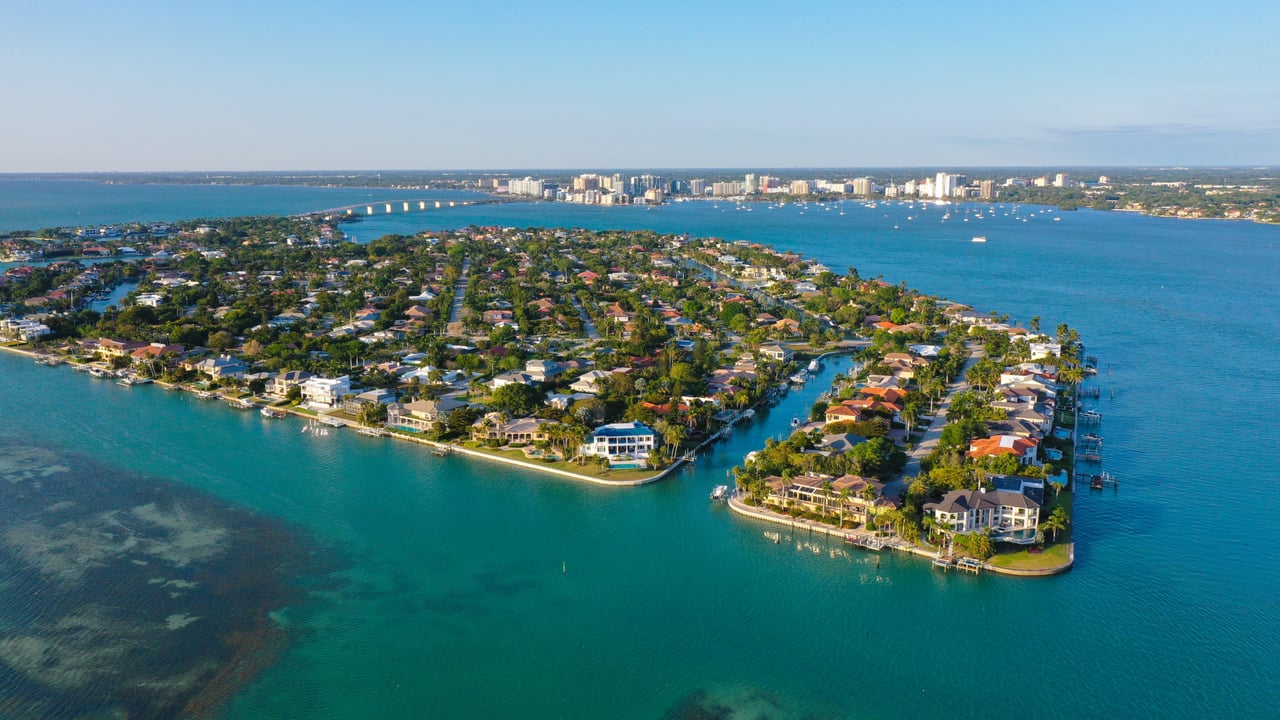
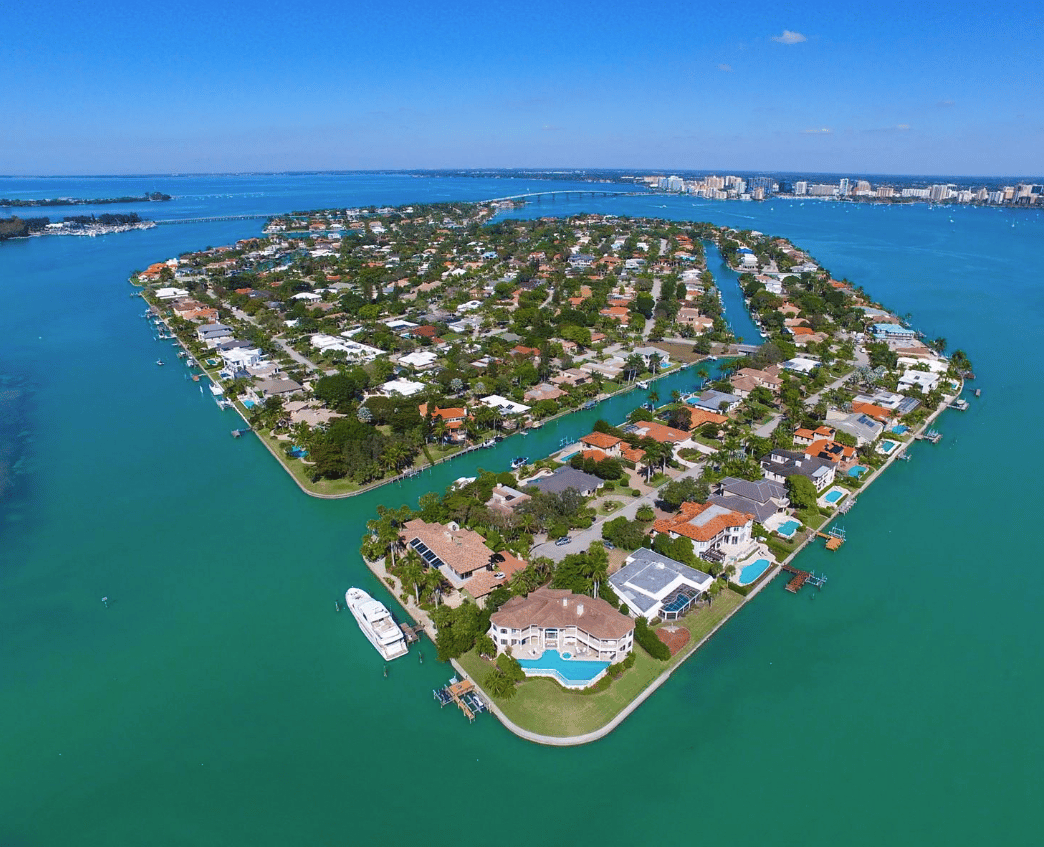
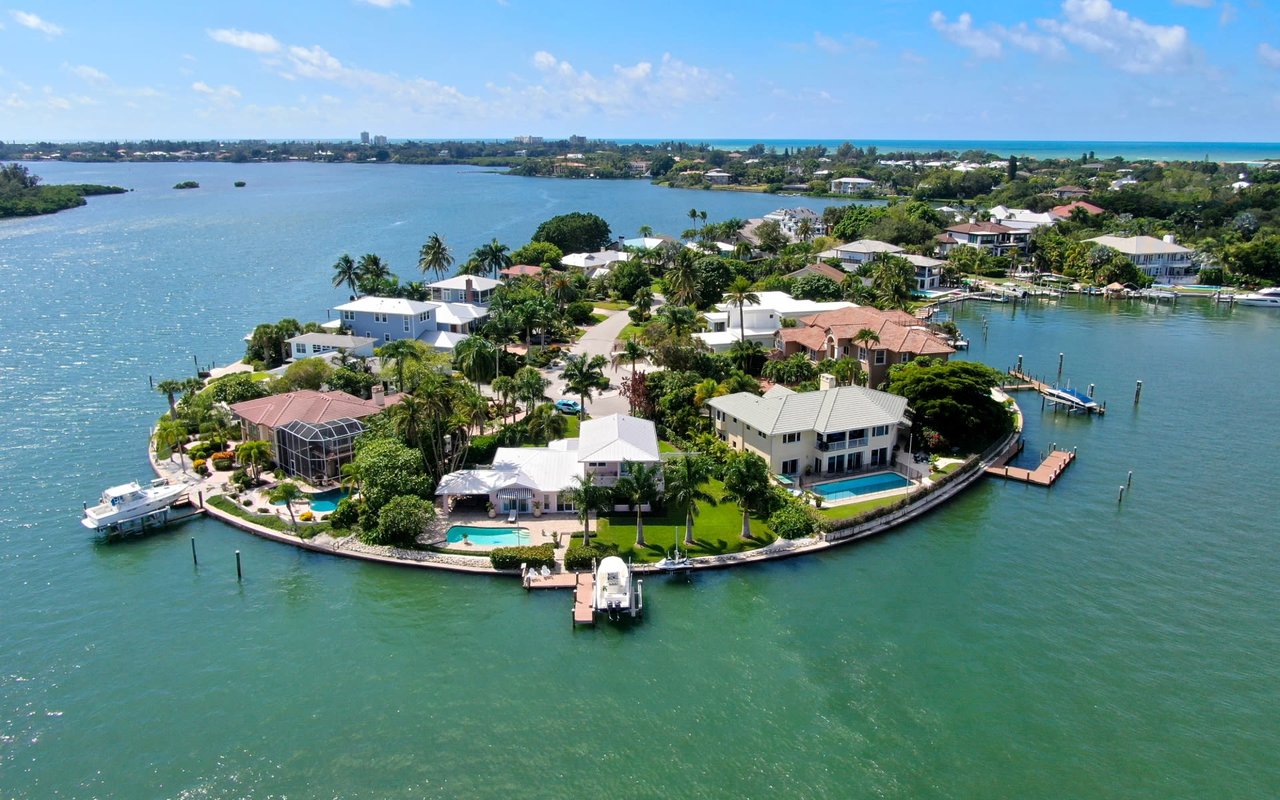
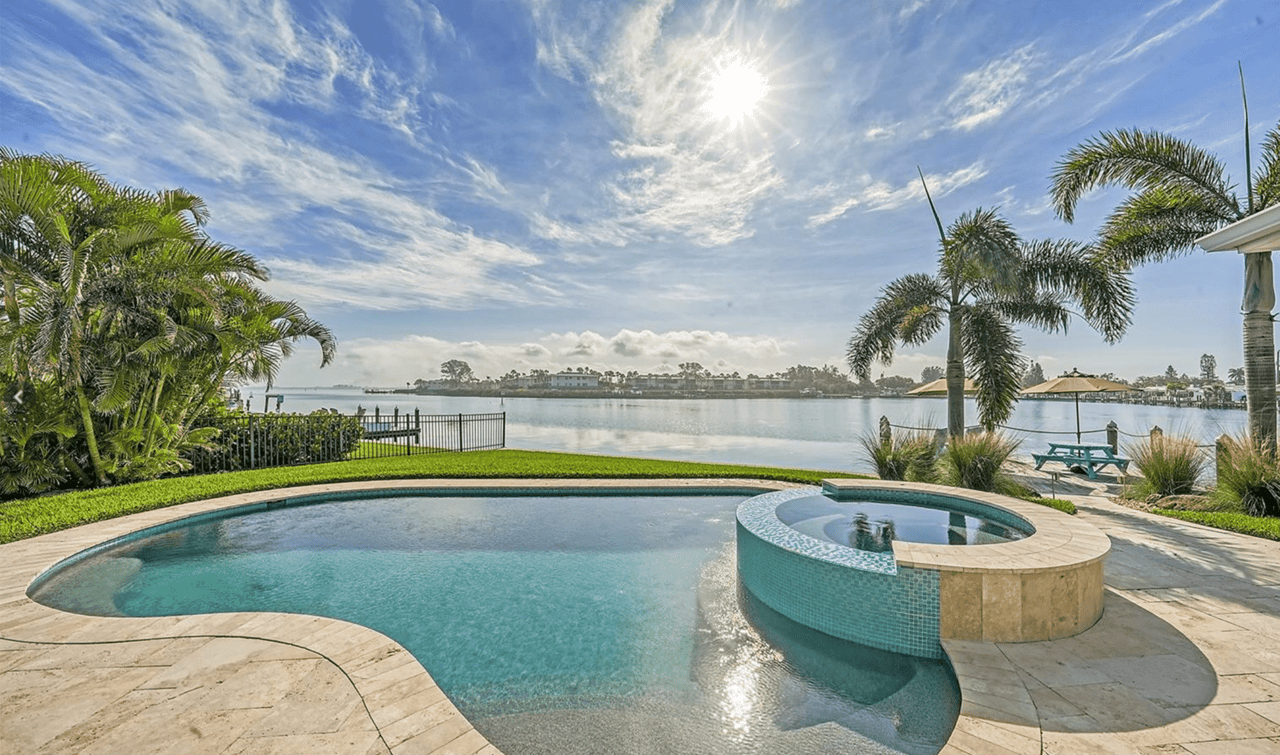
- Bay (east) frontage provides calmer, protected waters that suit smaller boats and easier year-round docking. Views can be broad, but beach access is not as direct.
Boating and access
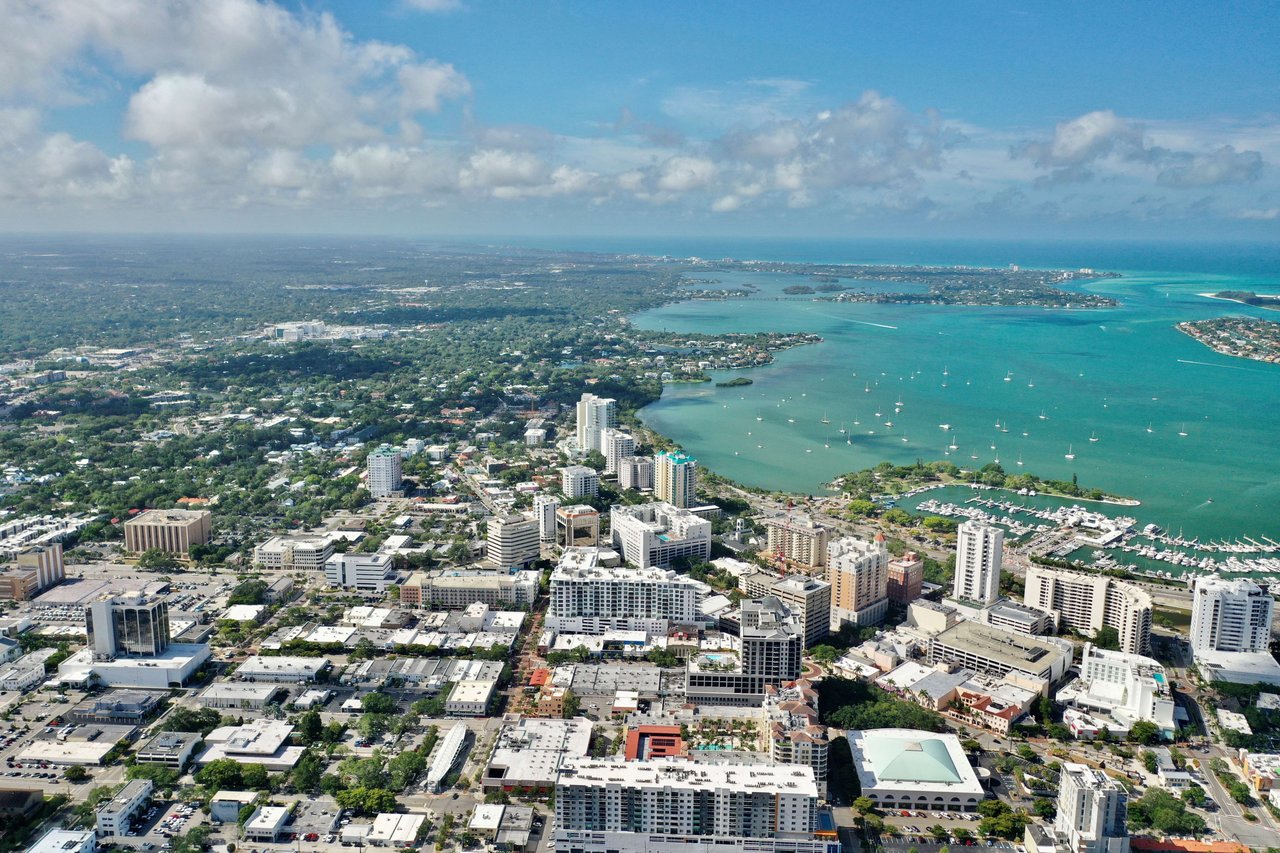
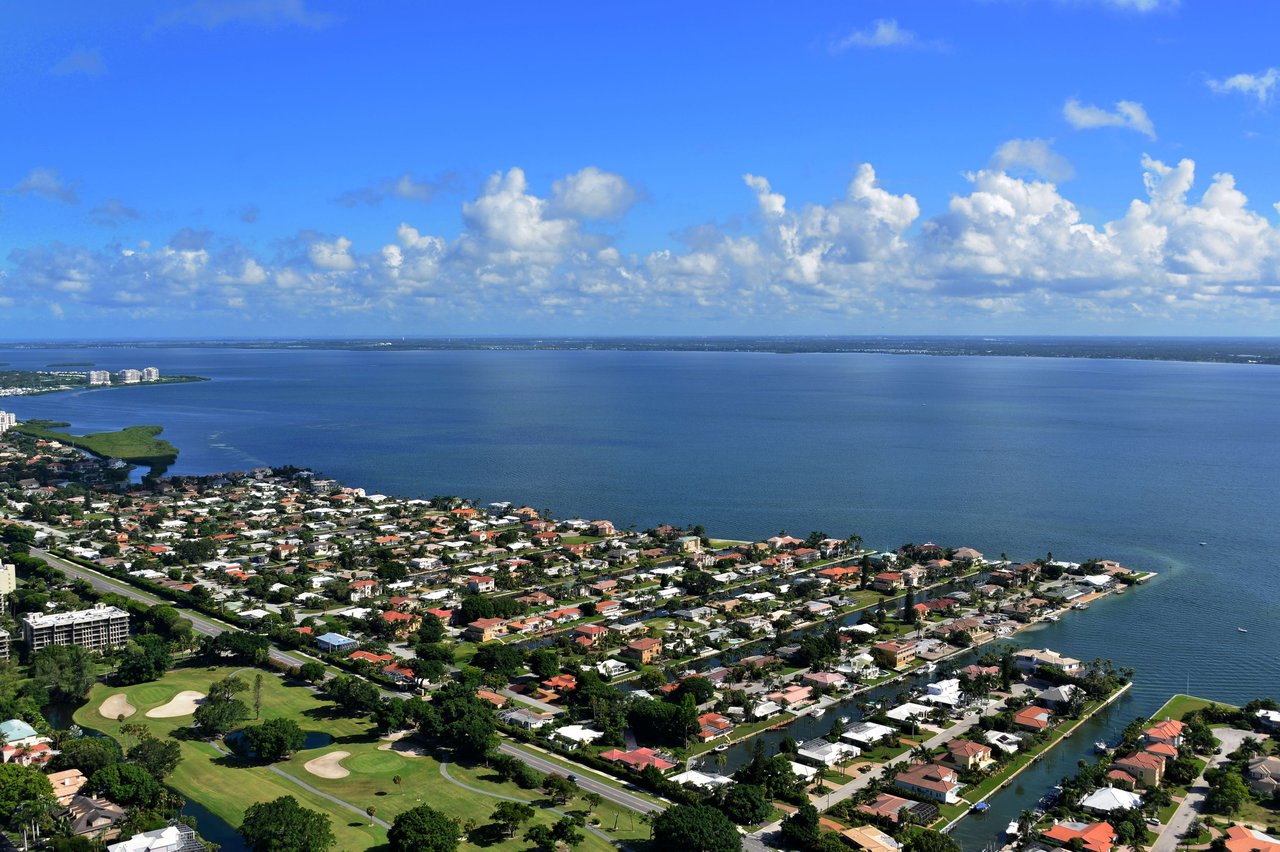
- Bayfront properties often deliver protected docking near channels that lead to the Intracoastal and the Gulf. Plan for bridge routes and channel depths along the way.
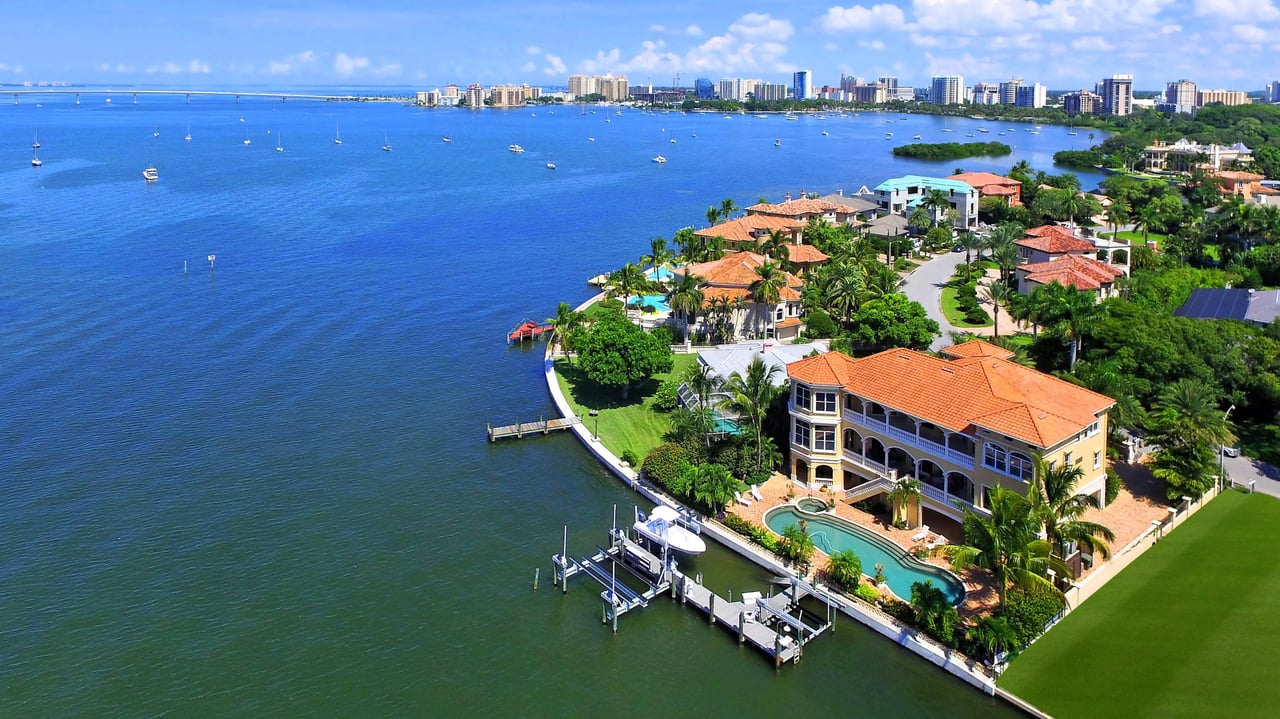
- Gulffront homes can offer immediate access to open water, but not every parcel includes deepwater dockage. Shoreline conditions and surf can affect structures.
Lifestyle and resale
- Gulf side typically appeals to beachgoers and the vacation lifestyle. Bay side draws anglers and boaters who value calm water and dockage. Both sides can command strong demand, with premiums tied to location, views, and water access.
Understand dockage and shoreline structures
Before you write an offer, get clear on what is included and what is permitted.
What to look for
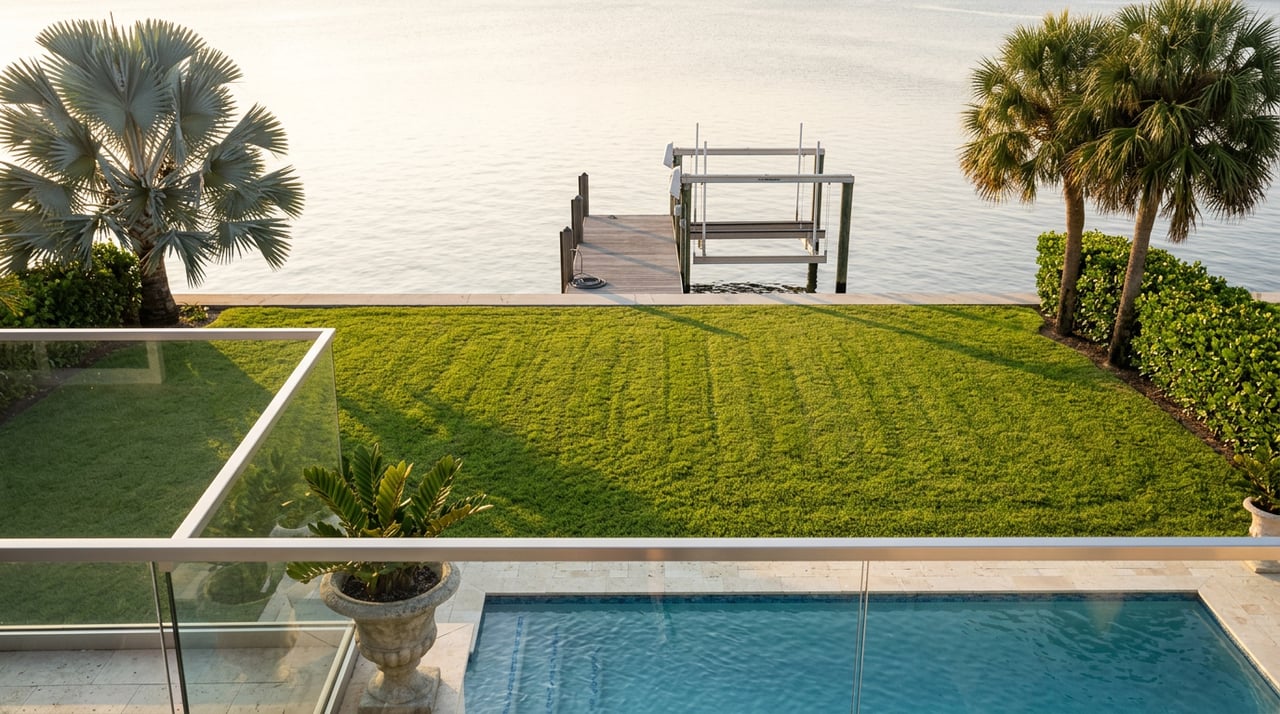
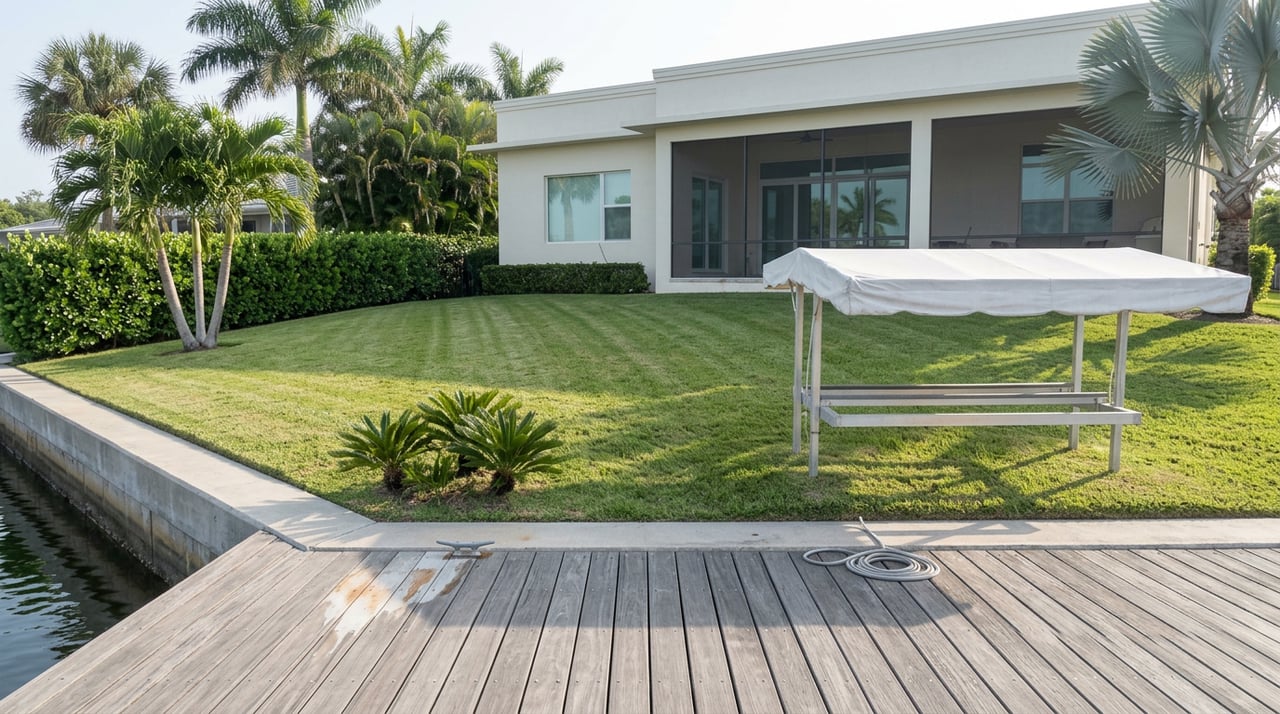
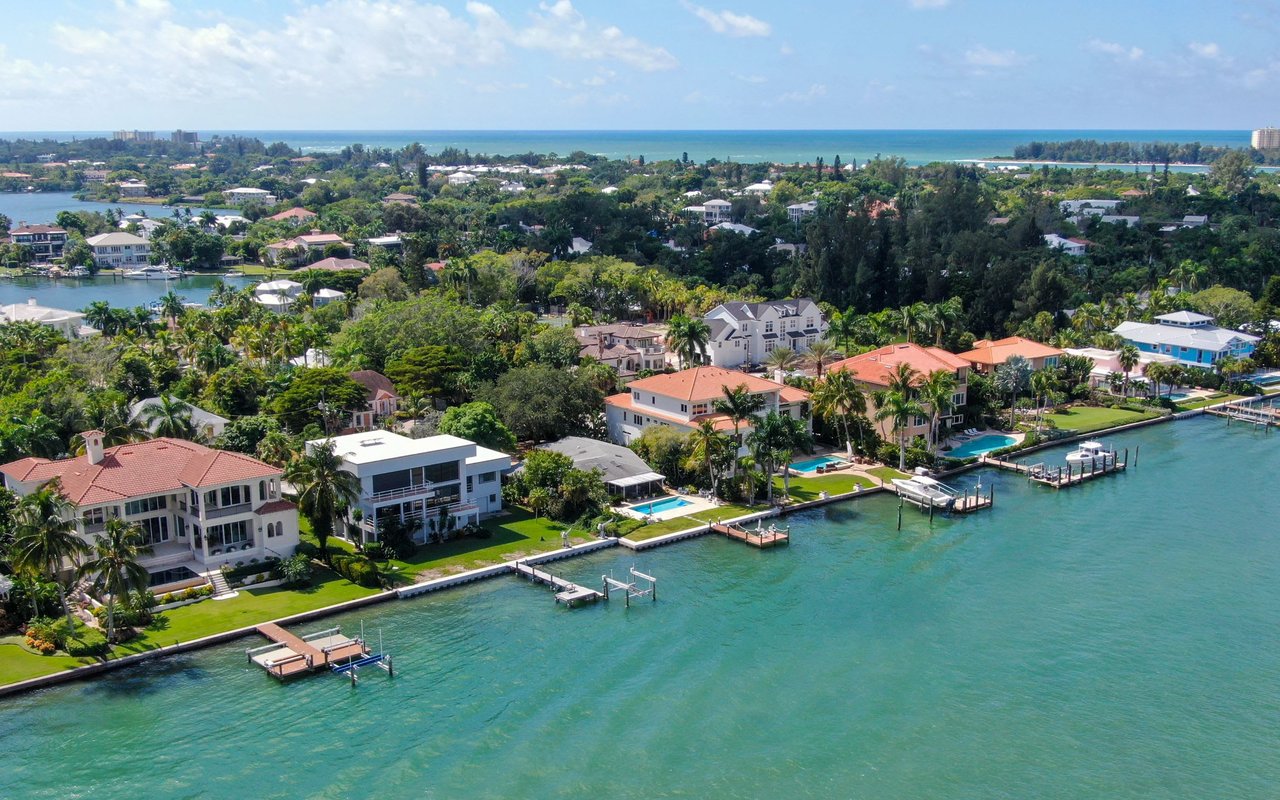
- Types of structures: fixed docks on pilings, floating docks, boat lifts, davits, and piers. Many developed lots also have seawalls or bulkheads.
- Ownership: confirm whether the dock is private and deeded to the property or part of an HOA facility. Do not assume rights without seeing documents.
- Condition: docks, piles, lifts, and seawalls face rot, corrosion, marine borers, and settlement. Hire a qualified marine contractor or surveyor to inspect.
Permits and compliance
- New docks, extensions, lifts, and seawall repairs usually need county permits and may require state approvals. Verify that existing structures were permitted and are in compliance.
- Mangroves, seagrasses, and wetlands are protected. Placement, size, and lighting of docks can be regulated. Build plans around environmental protections.
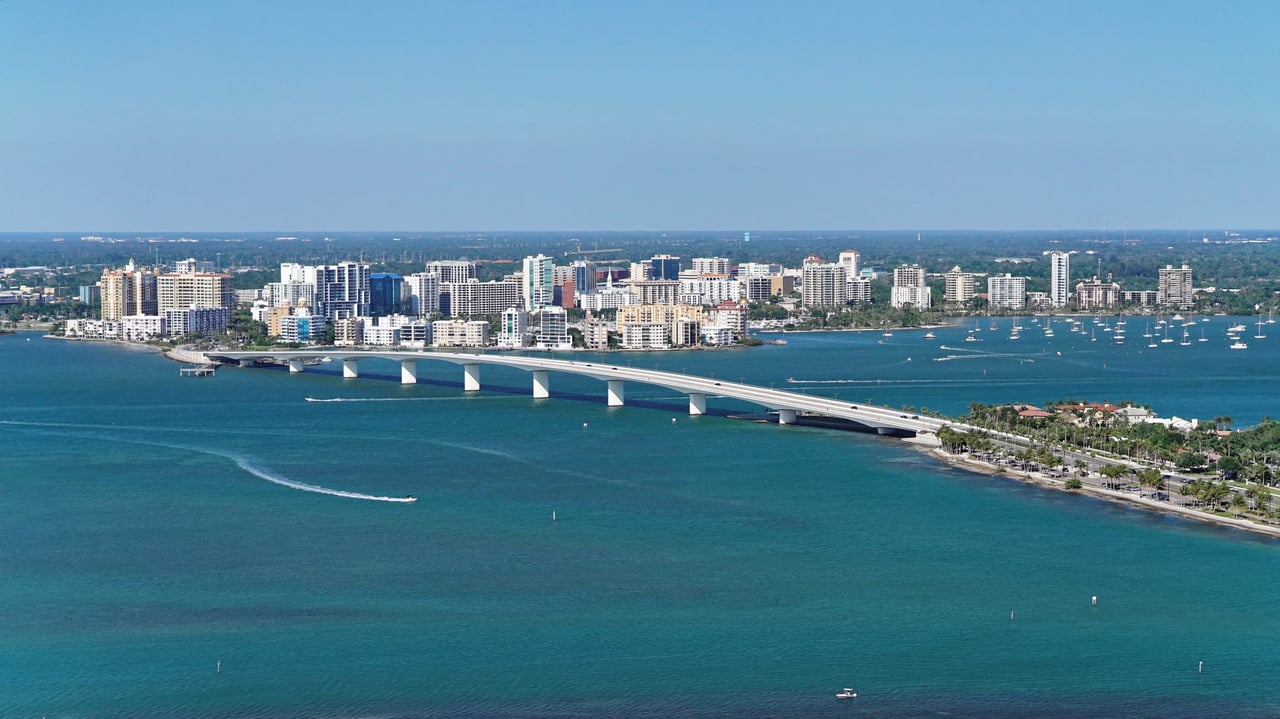
Plan for bridge clearances and navigation
If you plan to keep a boat at home, navigation details matter.
- Vertical clearance: confirm the highest fixed point on your boat against the lowest clearance you must pass, measured at mean high water. Movable bridge opening schedules can shape your routine.
- Depths and shoaling: channel depths can shift with storms and seasons. Review current charts and talk to local captains or marinas about recent conditions.
- Test run: if possible, take a route trial at similar tide conditions to experience bridge timings, markers, and any narrow or shallow sections.
Know Siesta Key property styles
Siesta Key offers a mix of homes and condos that suit different boating and lifestyle needs.
Single-family homes
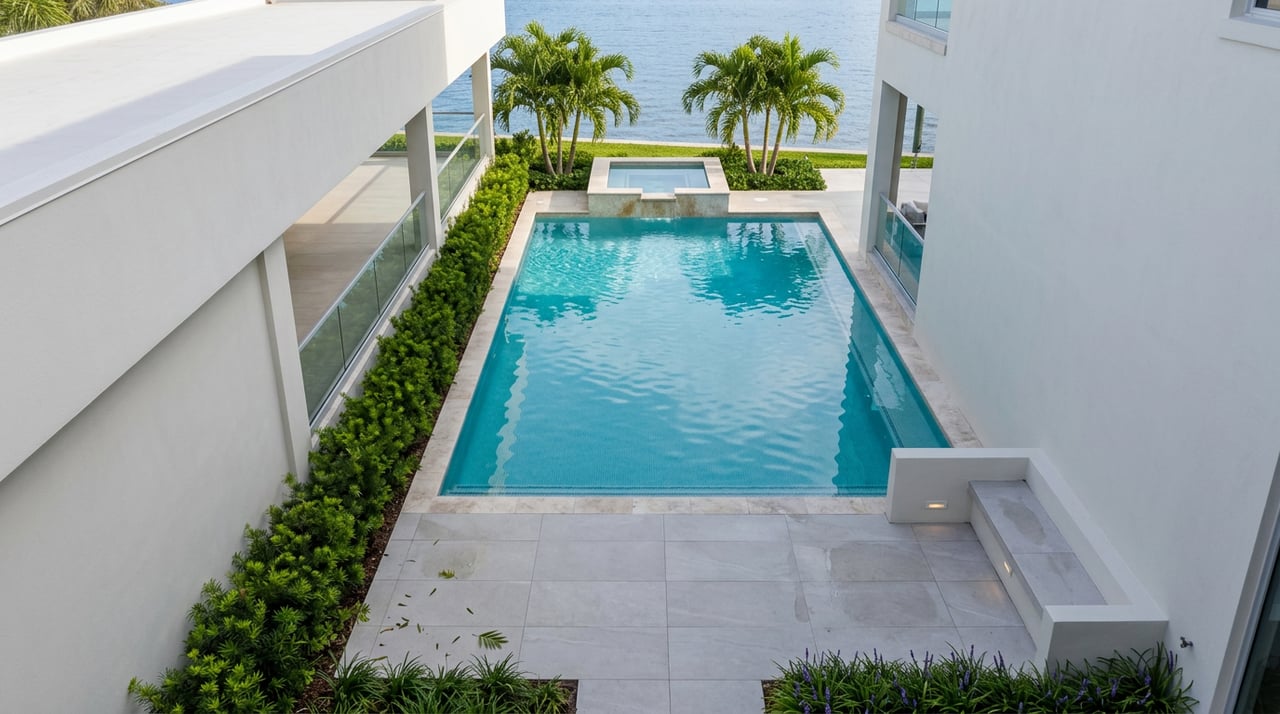
- Gulffront estates often use elevated designs or engineered foundations to meet flood and wind requirements.
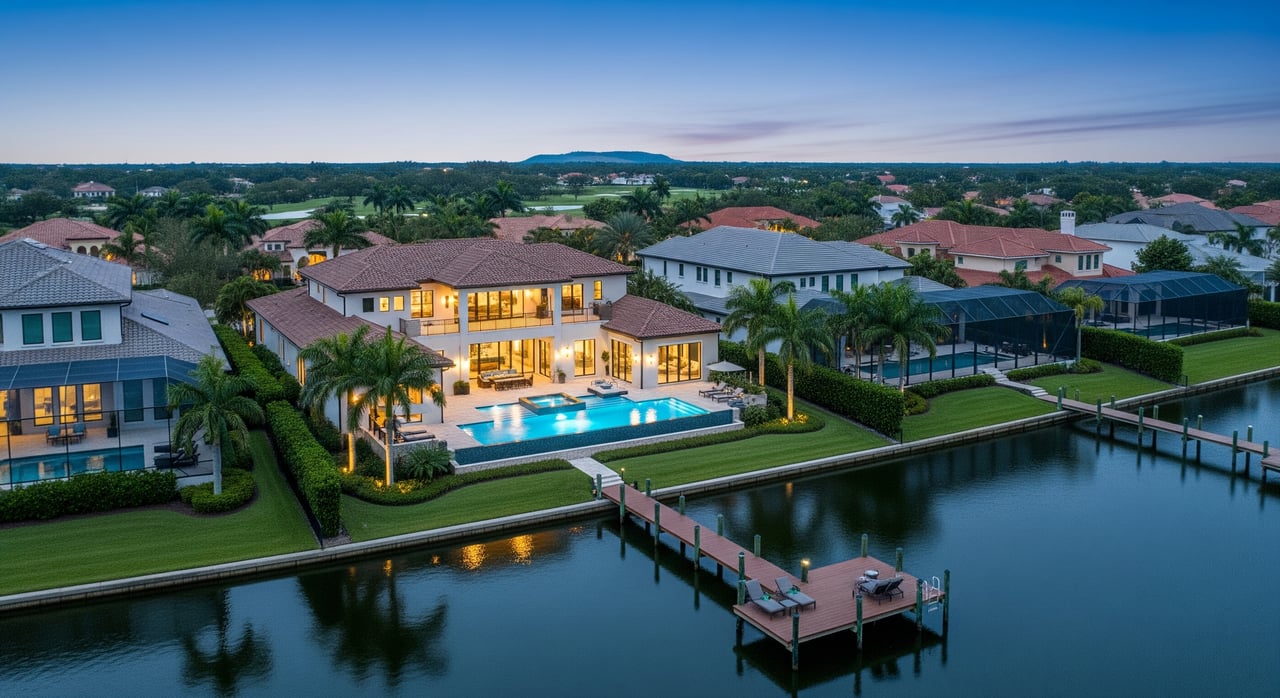
- Bayfront homes commonly include private docks and lifts with quick access to protected waters.
- Older cottages and beach houses may be renovated or replaced. Evaluate elevation, structural systems, and shoreline condition carefully.
Condos and communities
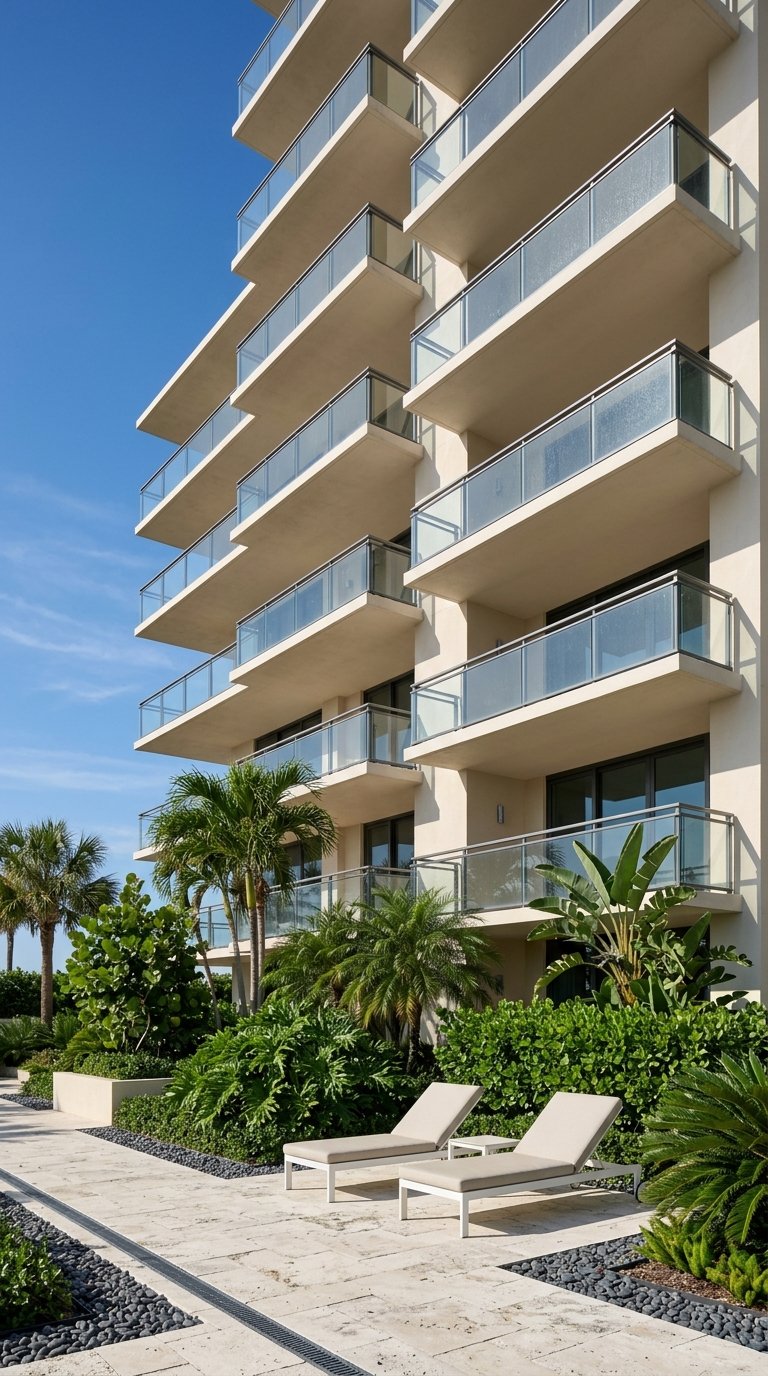
- Condominiums exist on both beach and bay sides. Some provide community docks and amenities. Check HOA rules on boat length limits, slip assignments, and rental restrictions.
Construction and utilities
- Newer builds typically meet current Sarasota County and Florida Building Code standards for wind and flood. Wind mitigation features can also benefit insurance.
- Confirm sewer connection versus septic and review any elevation certificate available for insurance underwriting.
Budget for insurance, flood, and maintenance
Coastal ownership comes with specific risk management and upkeep.
- Flood insurance: lenders often require it in mapped flood zones. Premiums depend on flood zone, Base Flood Elevation, and building features. An elevation certificate is helpful for quotes.
- Wind and hurricane coverage: Florida policies often include a separate hurricane deductible as a percentage of dwelling value. A wind mitigation inspection can reduce costs.
- Ongoing maintenance: plan for dock and boat lift service, fastener replacement, seawall inspections, and shoreline care. Budget for periodic major work such as pile or seawall replacement.
Your step-by-step Siesta Key buying plan
Use this checklist to move from search to confident closing.
- Clarify goals and water use
- Decide Gulf vs bay based on lifestyle and storm exposure tolerance.
- List your boat’s draft, height, and storage needs.
- Pre-offer research
- Confirm lot type: Gulf, bay, canal, or Intracoastal access.
- Review flood zone and look for an elevation certificate.
- Determine whether dockage is deeded, private, leased, or shared.
- If applicable, review HOA rules, including boat size limits and rental policies.
- Verify navigation access
- Check charted depths and planned routes to the Gulf, including bridge locations and clearances.
- Ask local marinas or a charter captain about shoaling or seasonal changes.
- Permits, title, and shoreline
- Request permit history for the dock, boat lift, and seawall. Confirm compliance.
- Order a survey to verify boundaries to mean high water and note any easements.
- Inspections and specialists
- Hire a marine contractor or surveyor to evaluate docks, pilings, lifts, and seawalls.
- Get a full home inspection and, if elevated, consider an independent review of foundation or pilings.
- For complex shoreline conditions, consult a coastal engineer.
- Insurance and financing
- Obtain flood and wind quotes early. Share wind mitigation details if available.
- Ask the lender about any specific flood zone or insurability requirements.
- If possible, review prior insurance claim history.
- Closing and first-year plan
- Resolve any open permits or unpermitted structures before closing or escrow for fixes.
- Budget for near-term dock, lift, or seawall improvements noted by inspectors.
- Set a maintenance schedule and hurricane plan for the property and dockage.
Local resources you will use
- Review flood zones and elevation certificate guidance with the FEMA Map Service Center.
- Confirm dock and seawall permitting requirements through Sarasota County Planning and Development.
- For coastal and submerged lands issues, consult the Florida Department of Environmental Protection.
- Check boating, mooring, and wildlife protections with the Florida Fish and Wildlife Conservation Commission.
- Verify bridge clearances and opening rules via the U.S. Coast Guard Navigation Center.
- Review current charted depths and routes using NOAA Nautical Charts.
- Get insurance consumer guidance from the Florida Office of Insurance Regulation.
- For market context and trends, consult the Sarasota Association of Realtors.
Ready to explore the right waterfront match and navigate docks, bridges, and permits with a steady hand? Share your goals and let us build a tailored plan for your boat, budget, and lifestyle. Tell us your story with Schafer Real Estate.
FAQs
What should first-time Siesta Key waterfront buyers check before making an offer?
- Start with Gulf vs bay preference, confirm flood zone and elevation certificate, verify deeded dockage and HOA rules, and review permit history for docks and seawalls.
How do I confirm my boat will clear bridges from a Siesta Key dock?
- Compare your vessel’s height at mean high water to published bridge clearances and opening procedures, then test the route at similar tide conditions.
Do I need a special inspection for docks and seawalls on Siesta Key?
- Yes, hire a marine surveyor or qualified marine contractor to inspect docks, pilings, boat lifts, and seawalls for rot, corrosion, settlement, and proper operation.
Are short-term rentals allowed for Siesta Key waterfront homes and condos?
- Rules vary by zoning and HOA; confirm county regulations and community documents before assuming rental income is permitted.
How does flood insurance work for Siesta Key waterfront properties?
- Lenders often require coverage in mapped zones; premiums reflect FEMA flood zone, Base Flood Elevation, and mitigation features, and an elevation certificate helps underwriting.
What ongoing maintenance should I budget for a waterfront home?
- Plan for annual dock and lift servicing, periodic hardware and piling work, seawall inspections, and an allowance for larger repairs or replacements over time.