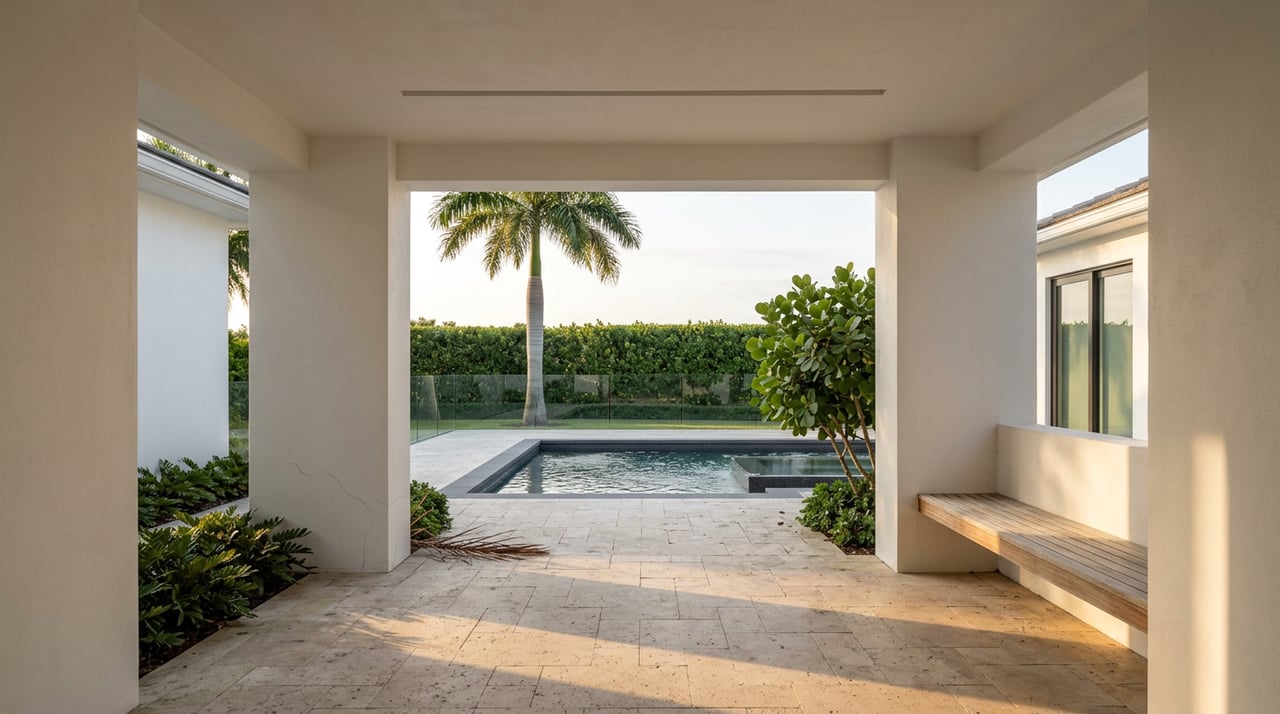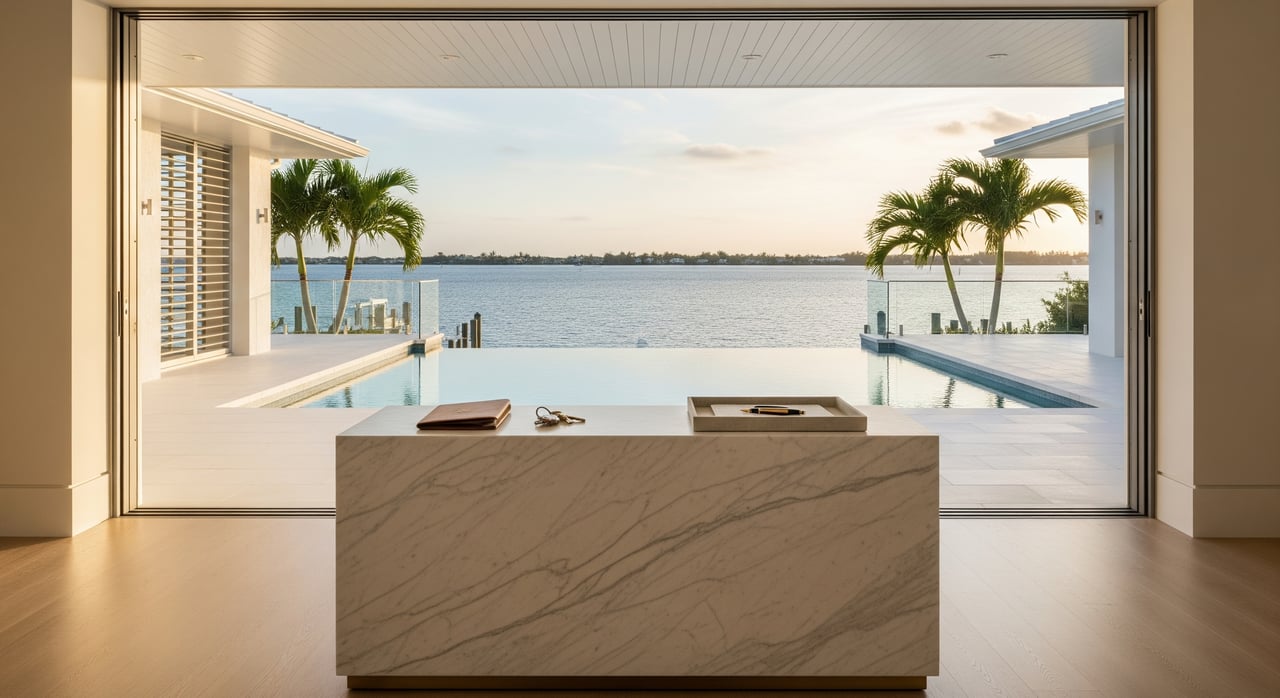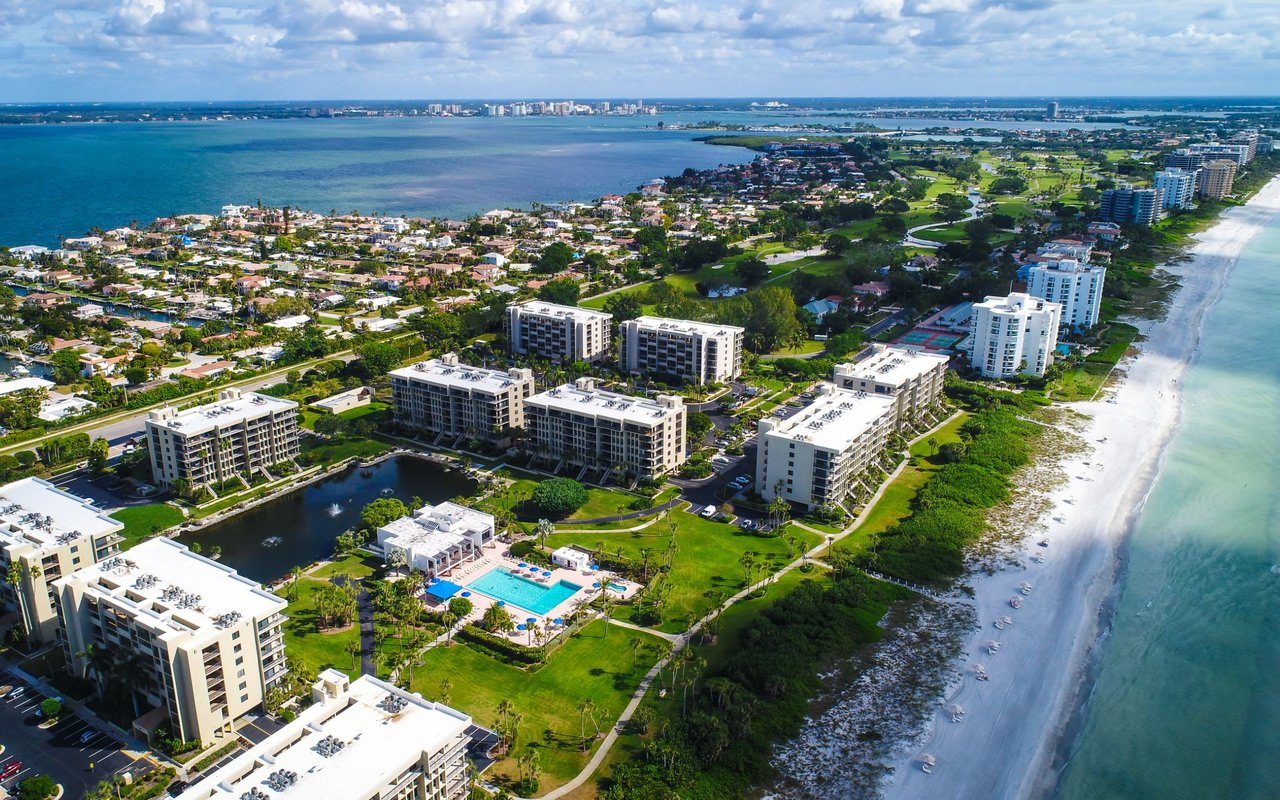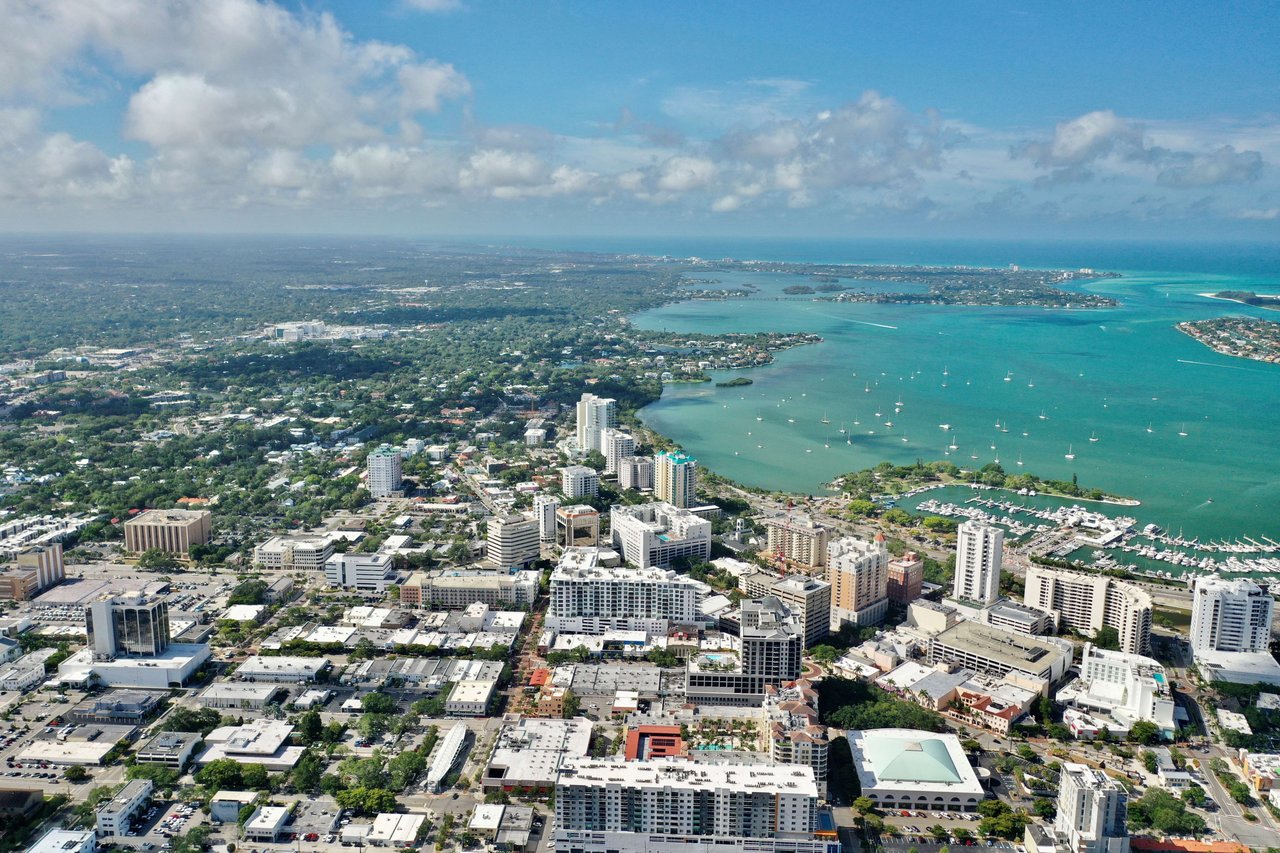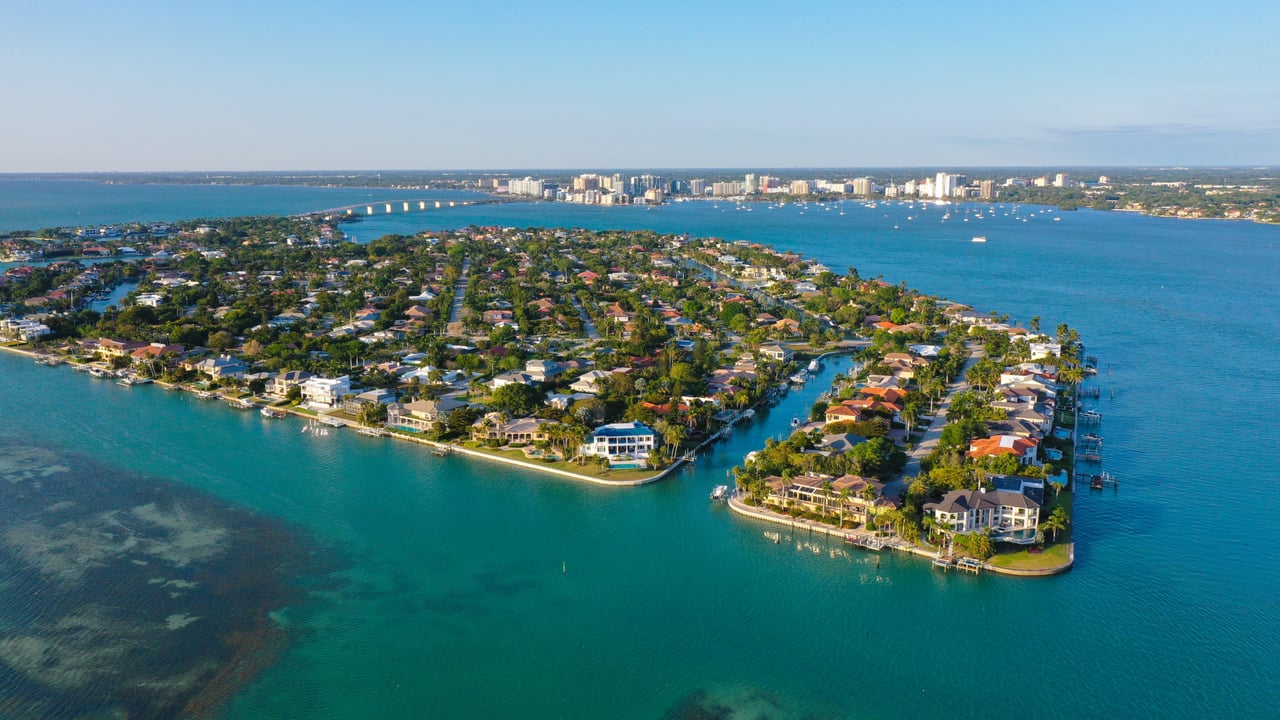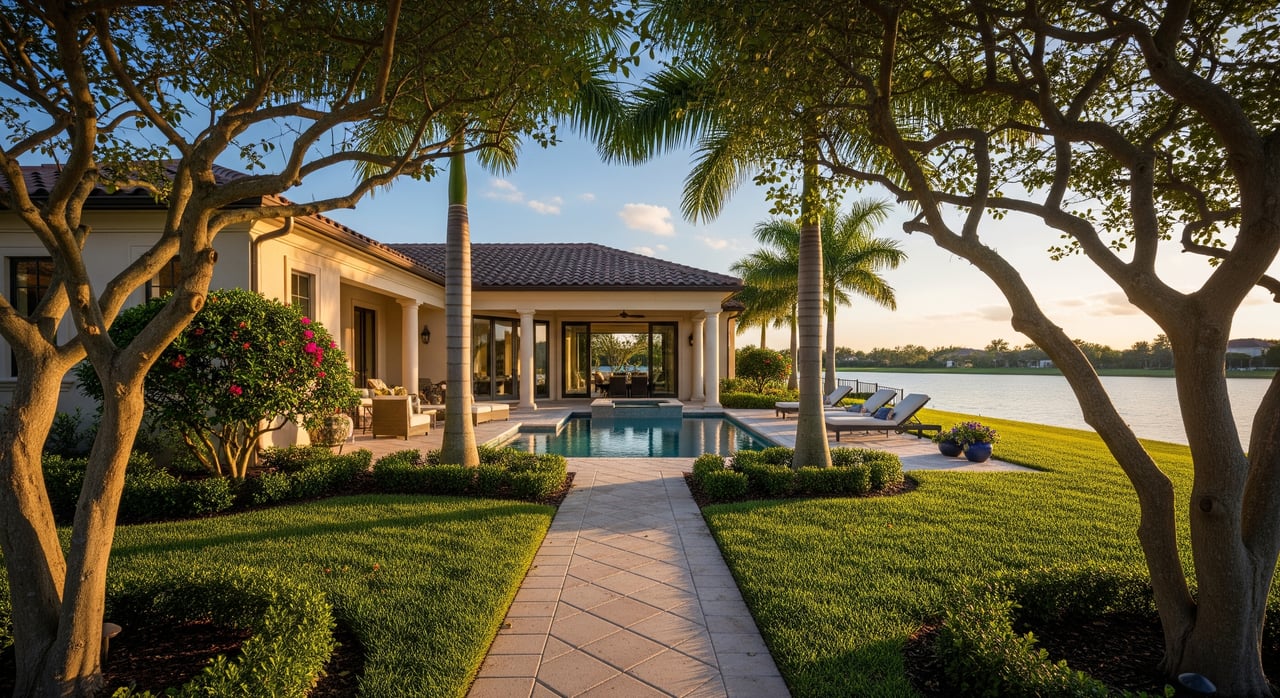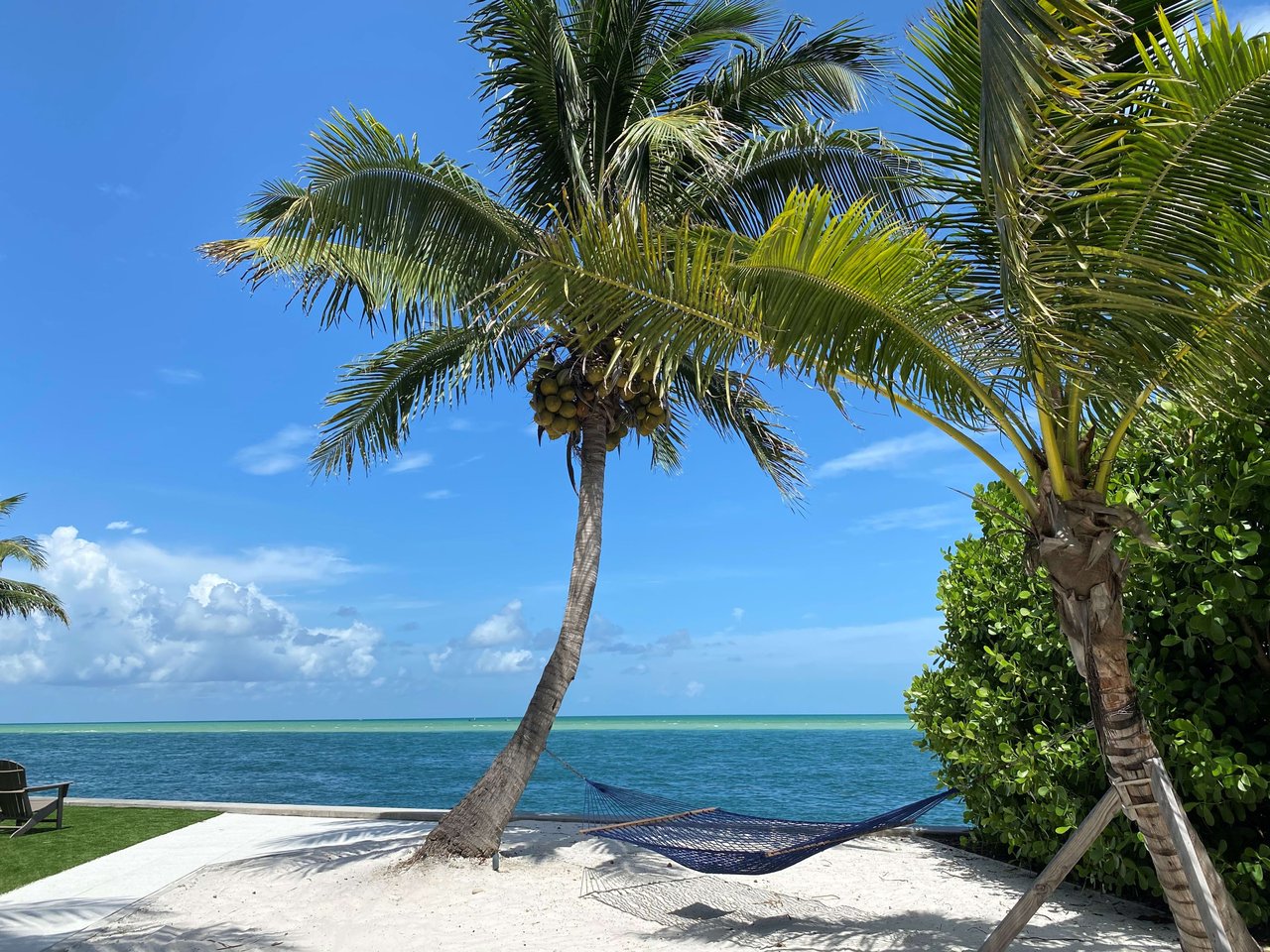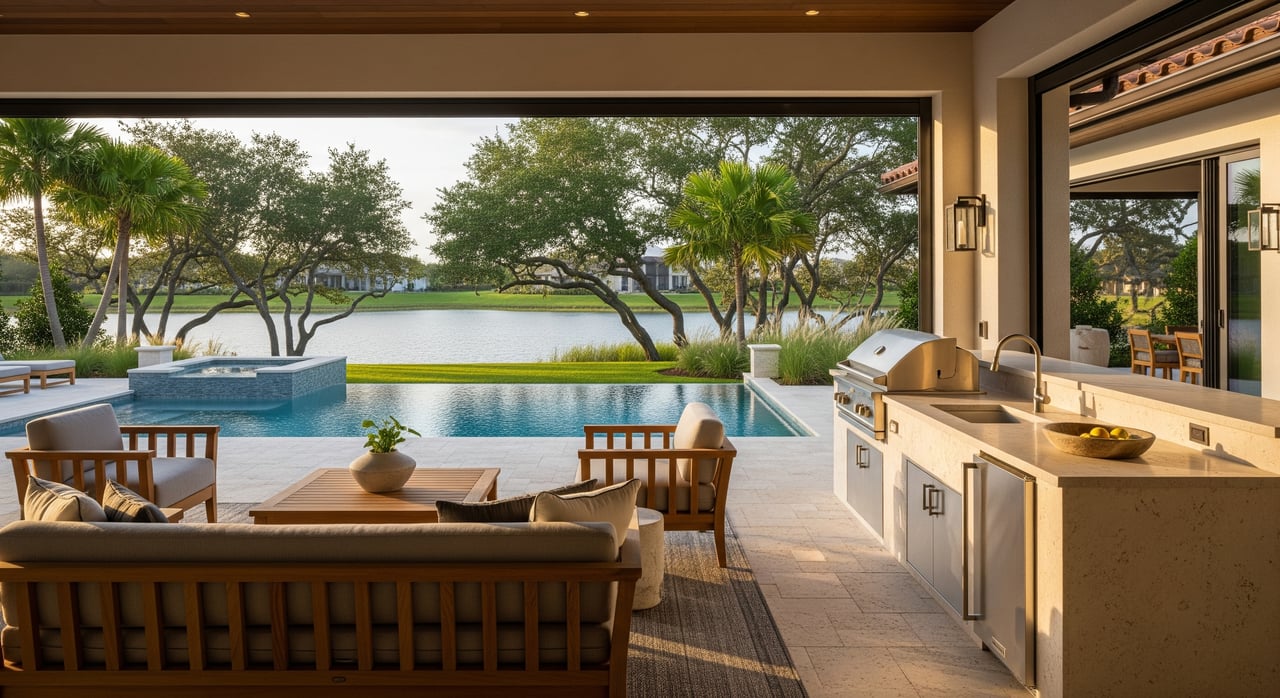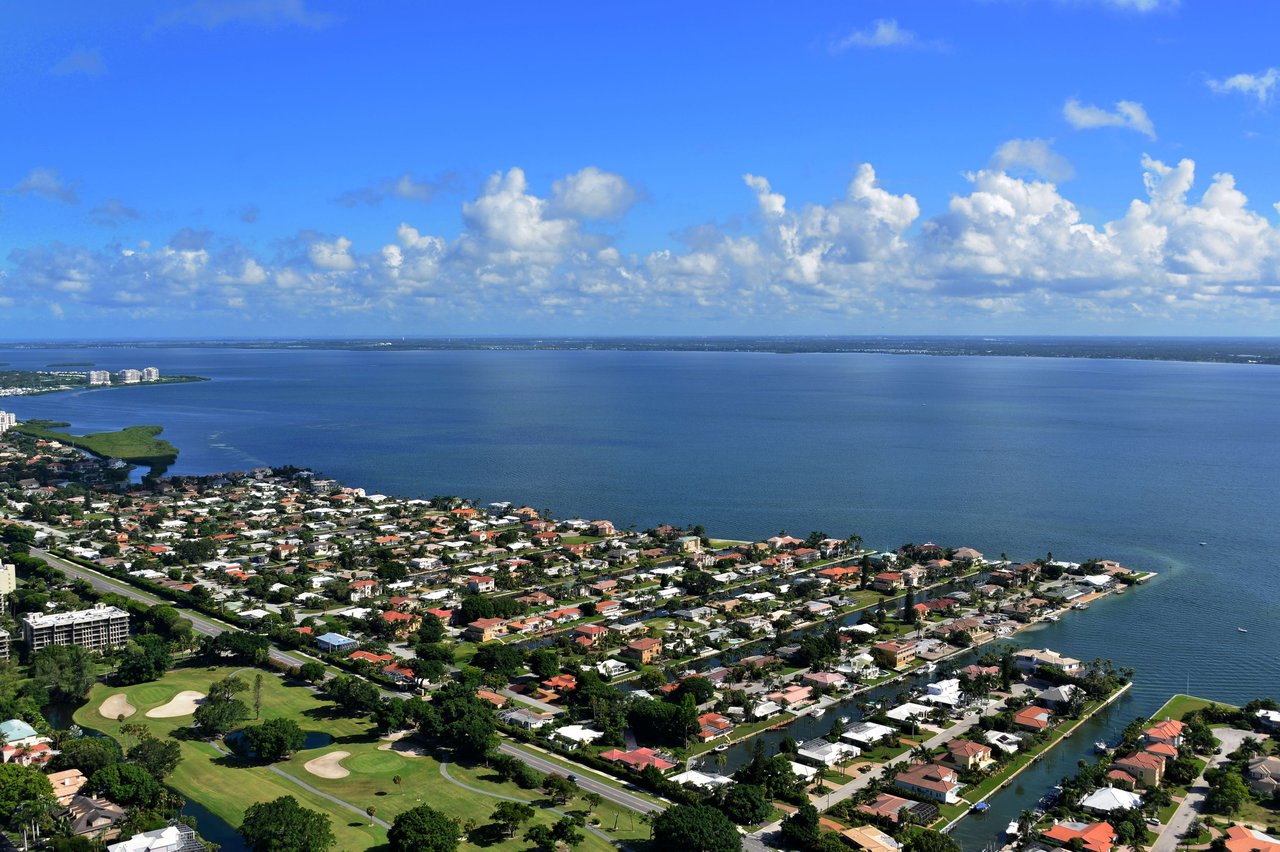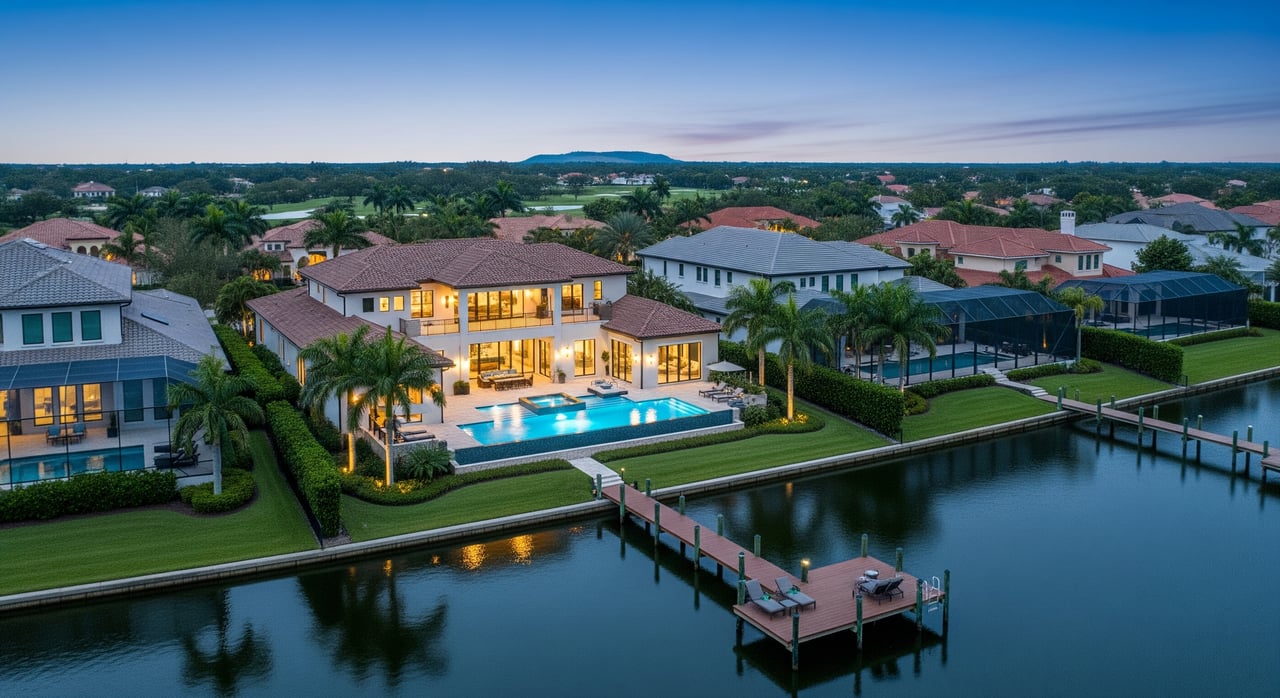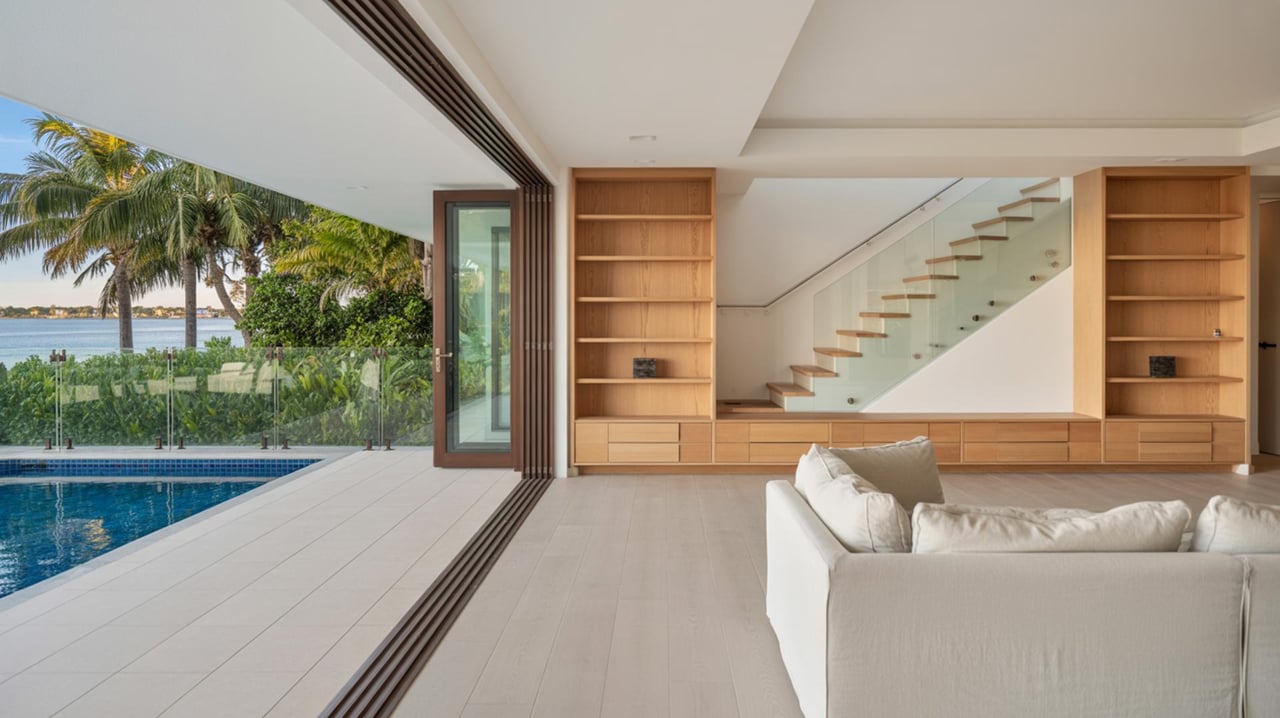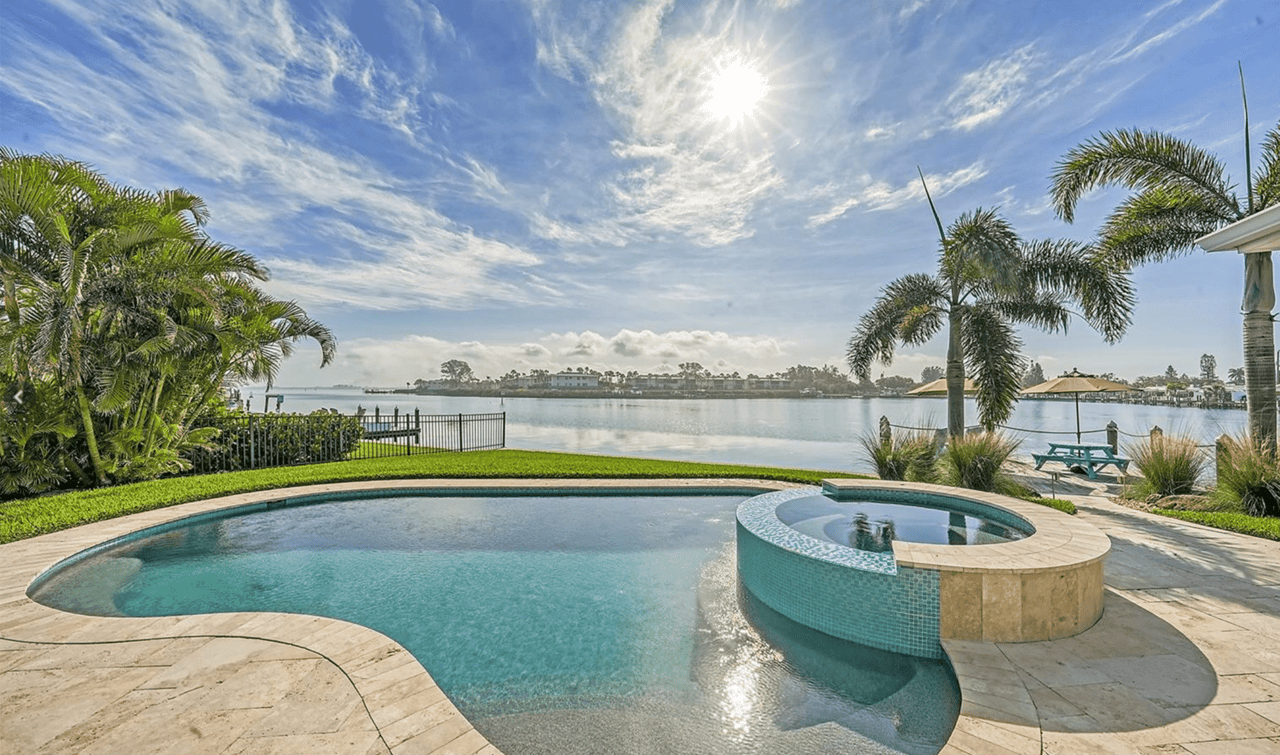

Imagine stepping from your living room into a private resort, where shade, breeze and water all come together effortlessly. If you live in Lakewood Ranch, a well‑planned lanai can deliver that feeling every day. You might be wondering where to start, how approvals work, and which materials handle Florida’s sun and storms. In this guide, you’ll learn the local rules, smart design moves, and budget expectations to create a resort‑style lanai that fits Lakewood Ranch living. Let’s dive in.
Start with local rules
Lakewood Ranch is a collection of villages, and most require Architectural Review Committee approval for exterior changes. Review your village guidelines before you draw plans or pick finishes using the official village resource on Lakewood Ranch’s website.
You’ll also need Manatee County permits for screened enclosures, pools, outdoor kitchens and utility work. The county outlines requirements and submittals on the Manatee County permitting page.
Typical residential setbacks in Manatee County place pools and screened pool enclosures at least five feet from side and rear property lines, and they cannot encroach into drainage easements or swales. Confirm your lot’s details using the county’s setback and FAQ guidance.
Finally, your lanai must meet Florida Building Code wind‑load design. While special HVHZ provisions apply only to certain Southeast Florida counties, you still need products and engineering that match local wind zones. Review the code context for screen enclosures via the Florida Building Code reference.
Map your layout for sun and breeze
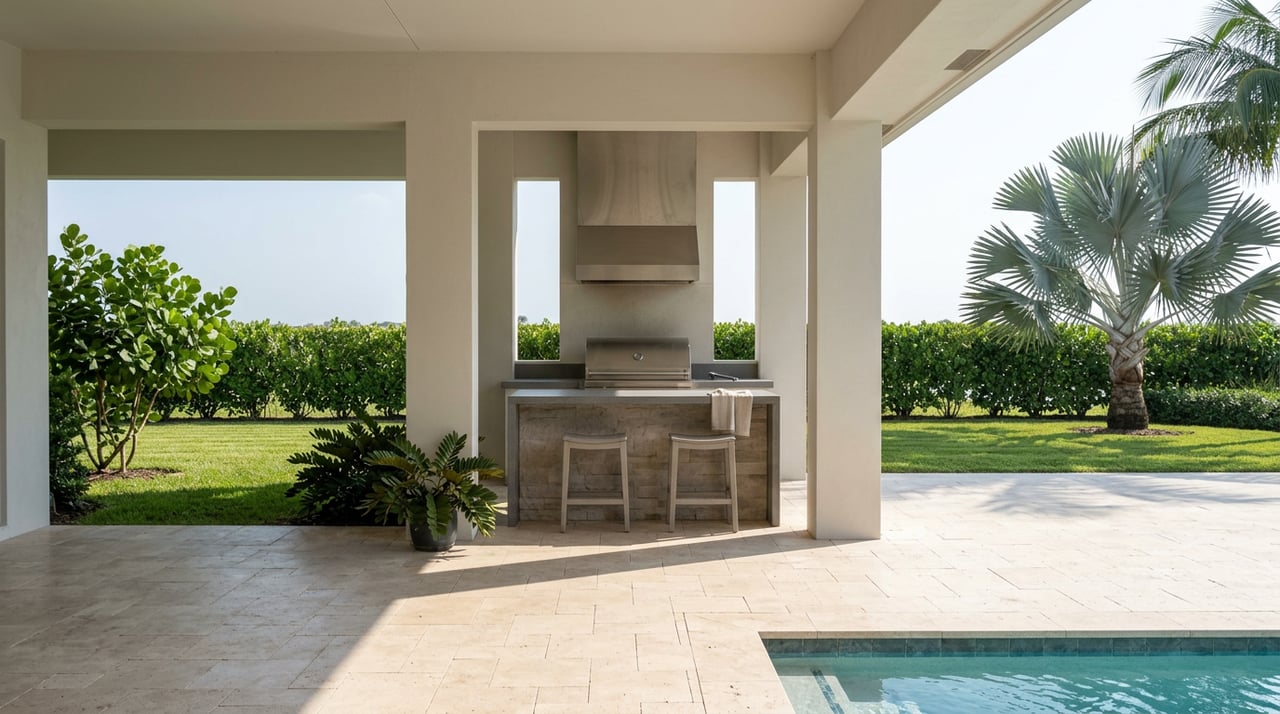
Plan zones for lounging, dining and cooking with the sun’s path in mind. West‑facing areas need deeper overhangs or shade structures to soften late afternoon heat.
Align openings to capture cross‑ventilation and keep the core seating area in dependable shade. Thoughtful placement of eaves, awnings and plantings can significantly lower heat exposure, as shown in Energy Saver guidance on shading.
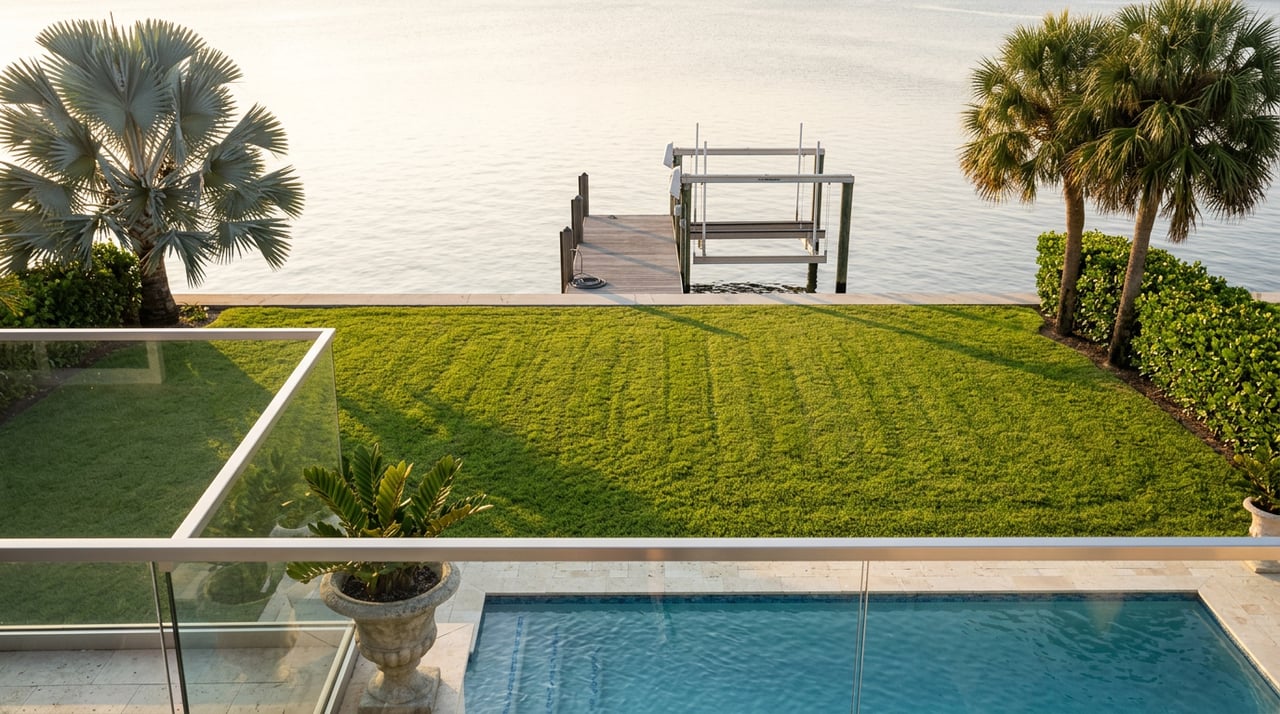
If your lot has lake or preserve views, angle primary seating to frame that outlook while keeping walkways clear between the house, pool and grill.
Choose structures and screens
A classic Florida lanai uses a powder‑coated aluminum frame with screened walls and a screen roof. Aluminum offers strength with corrosion resistance and low upkeep. Ask your contractor to specify stainless or marine‑grade fasteners for longevity.
If you want more weather protection, consider partial enclosures with removable panels or upgraded glazing. Fully conditioned sunrooms carry different code, energy and water‑resistance requirements, which increases permitting scope and cost.
Screen mesh matters. Standard fiberglass is affordable but ages faster in strong UV. Premium polyester or “no‑see‑um” meshes improve durability and keep out biting midges. Compare lifespans and visibility tradeoffs in this mesh selection overview.
Floors that feel like a resort
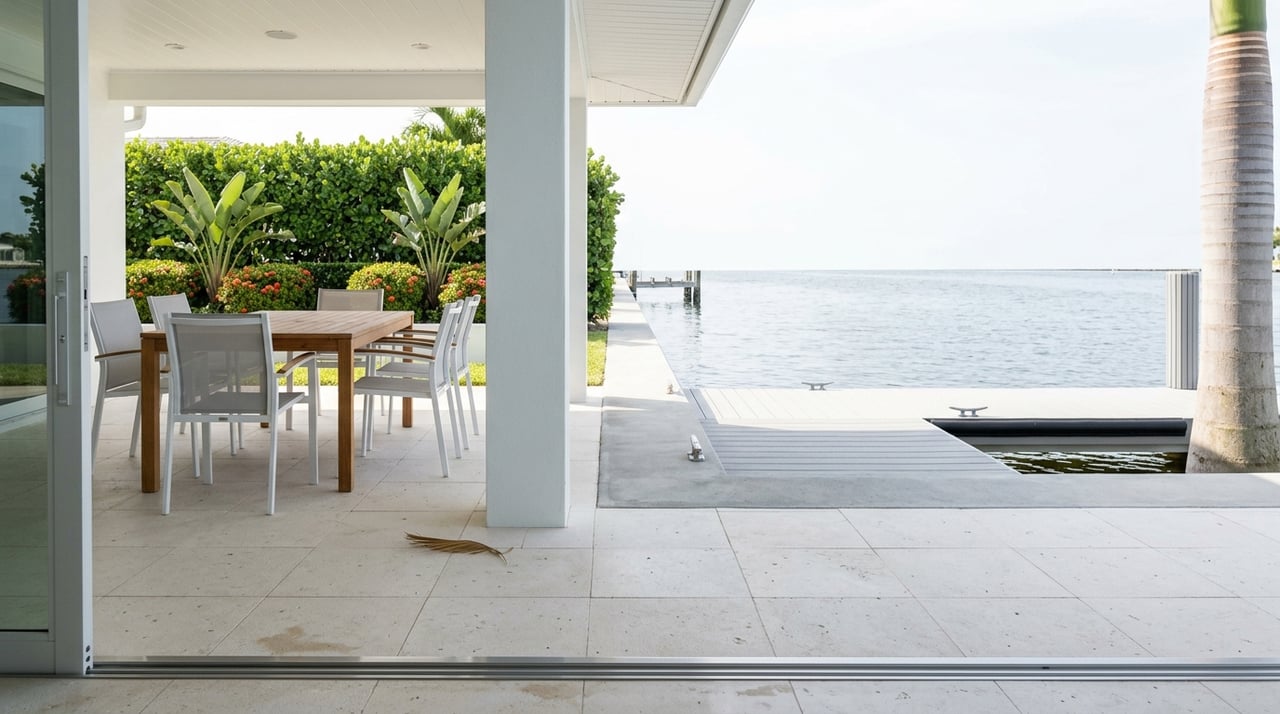
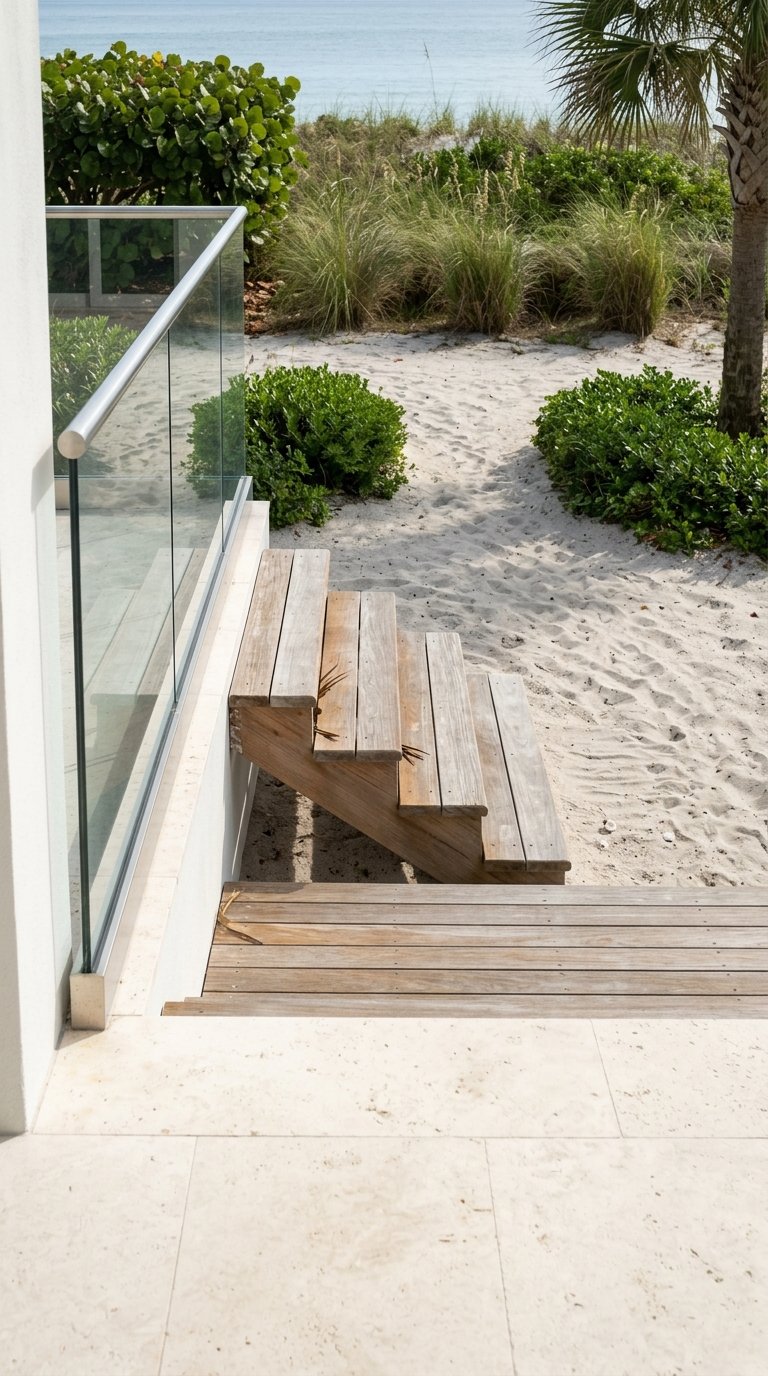
Travertine and light‑toned porcelain pavers stay cooler underfoot and create a refined, coastal look. If you prefer a modern deck, choose capped composites designed for heat reduction and traction.
Near pools and spas, prioritize slip‑resistant textures. Plan expansion joints and drainage channels so water moves away from door thresholds and seating areas.
Comfort, lighting and storm prep
Install outdoor‑rated ceiling fans, dimmable LED lighting and zones for task and ambient light. Prewire for speakers and low‑glare fixtures so evenings feel relaxed and upscale.
For summer afternoons, add retractable solar shades where the sun is strongest. For storm season, discuss removable or roll‑down protective panels and make sure the enclosure’s anchoring and connections are engineered to local wind design.
Landscape for privacy and low care
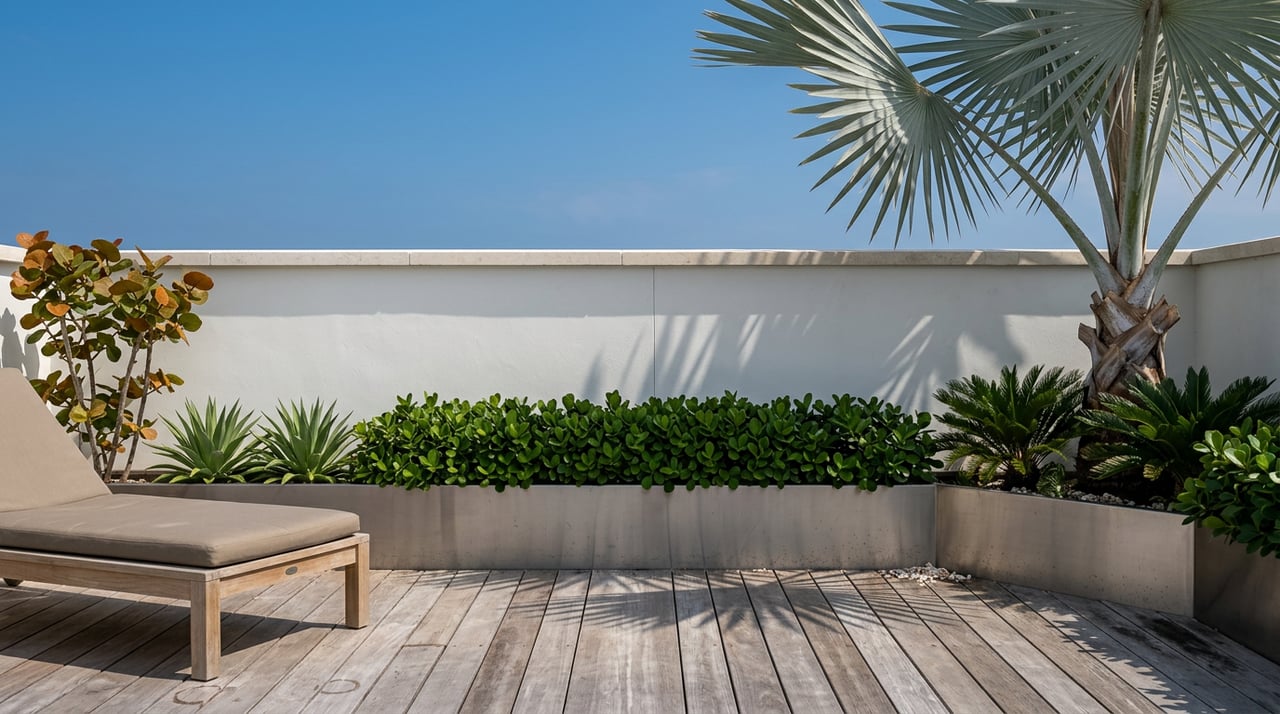
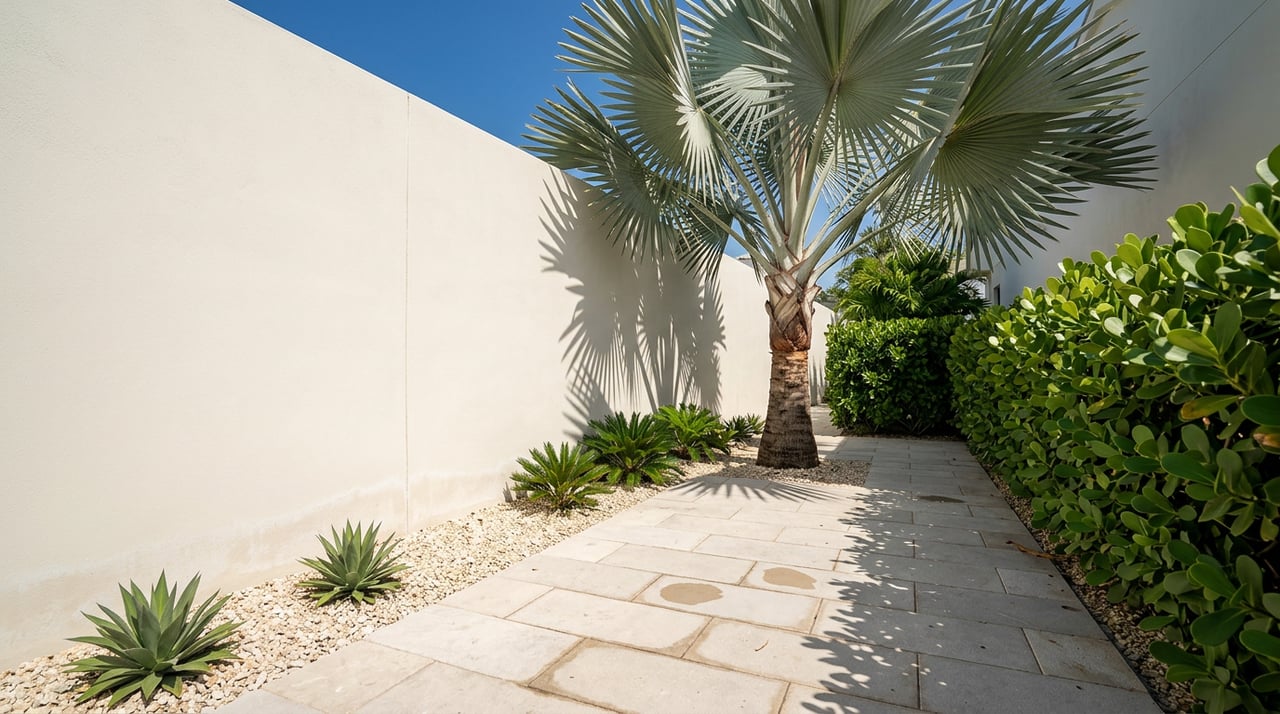
Use Florida‑Friendly plants to get the tropical look without heavy irrigation. Layer groundcovers, mid‑height shrubs and small ornamental trees or palms to build privacy without blocking breezes. The UF/IFAS guide is an excellent selector for local conditions and aesthetics. Browse options in the Florida‑Friendly Plant Guide.
Keep large trees a safe distance from the enclosure to reduce debris during storms and avoid root conflicts with decking.
Mosquito control and drainage
Tighter 20×20 or specialty mesh helps with no‑see‑ums if they are active near your lot. Beyond screening, mosquito prevention starts with water management. Clear gutters, keep pool pumps running, and avoid planters or features that hold stagnant water. See Florida’s “Drain and Cover” reminders from the Department of Health.
Grade the deck and yard to move water away from foundations and out of low pockets where pests breed.
Budget, timeline and bids
Costs vary by scope and finishes. As a rough guide, enclosing an existing patio with screens is often quoted at about 10 to 25 dollars per square foot, while custom lanais and sunrooms can range much higher depending on structure, glazing, HVAC and finishes. For current ballparks and line‑item ideas, see this Florida‑aligned cost overview.
Expect a multi‑step schedule. Many Lakewood Ranch villages review ARC applications in 2 to 8 weeks. County permit timing depends on scope and completeness. Construction can span 1 to 2 weeks for simple rescreens and 4 to 12 or more weeks for full builds, depending on complexity, weather and inspection scheduling.
To keep estimates comparable, request three written bids that include engineering, permit fees, inspections and storm‑readiness features.
Your Lakewood Ranch lanai checklist
- Confirm your village ARC packet and approved finishes. Submit early and track timelines.
- Order a recent site survey. Verify setbacks, easements and drainage swales.
- Hire a licensed contractor. Add an engineer or architect if required by scope.
- Submit ARC and county permit applications. Coordinate inspection scheduling.
- Select durable Florida‑tested materials: powder‑coated aluminum, stainless fasteners, premium mesh, and light‑colored stone or porcelain.
- Plan storm and maintenance routines, including periodic rescreening and hardware checks.
Ready to create yours?
A resort‑style lanai should feel effortless, yet it takes careful planning to meet village rules, Florida code and the look you love. If you want guidance on value, resale impact and timing your project with a future sale or purchase, reach out to the local team that blends construction insight with luxury market expertise. Connect with Schafer Real Estate to start a conversation.
FAQs
What approvals do I need to build a lanai in Lakewood Ranch?
- Most villages require ARC approval before exterior work, and Manatee County permits are typically needed for screen enclosures, pools and utilities. Start with your village guidelines and the county’s permitting page.
How close can a lanai or pool cage be to my property line in Manatee County?
- The county frequently cites a five‑foot setback from side and rear property lines for pools and screened enclosures, and no encroachment into drainage easements or swales. Always confirm for your specific lot.
Which screen mesh is best for mosquitoes and no‑see‑ums in Lakewood Ranch?
- Premium polyester meshes last longer in Florida sun, and tighter 20×20 or specialty meshes help block biting midges. Balance airflow, durability and visibility for your exposure.
Do I need hurricane‑rated products for a lanai in Manatee County?
- You must meet Florida Building Code wind‑load design. HVHZ rules apply to specific Southeast Florida counties, but hurricane‑ready anchoring and optional protective panels are still smart choices in Manatee County.
How much does a resort‑style lanai cost and how long does it take?
- Basic screen retrofits often run about 10 to 25 dollars per square foot, while custom builds can go much higher based on structure and finishes. Timelines typically include weeks for ARC and permitting plus several weeks for construction, depending on scope and weather.