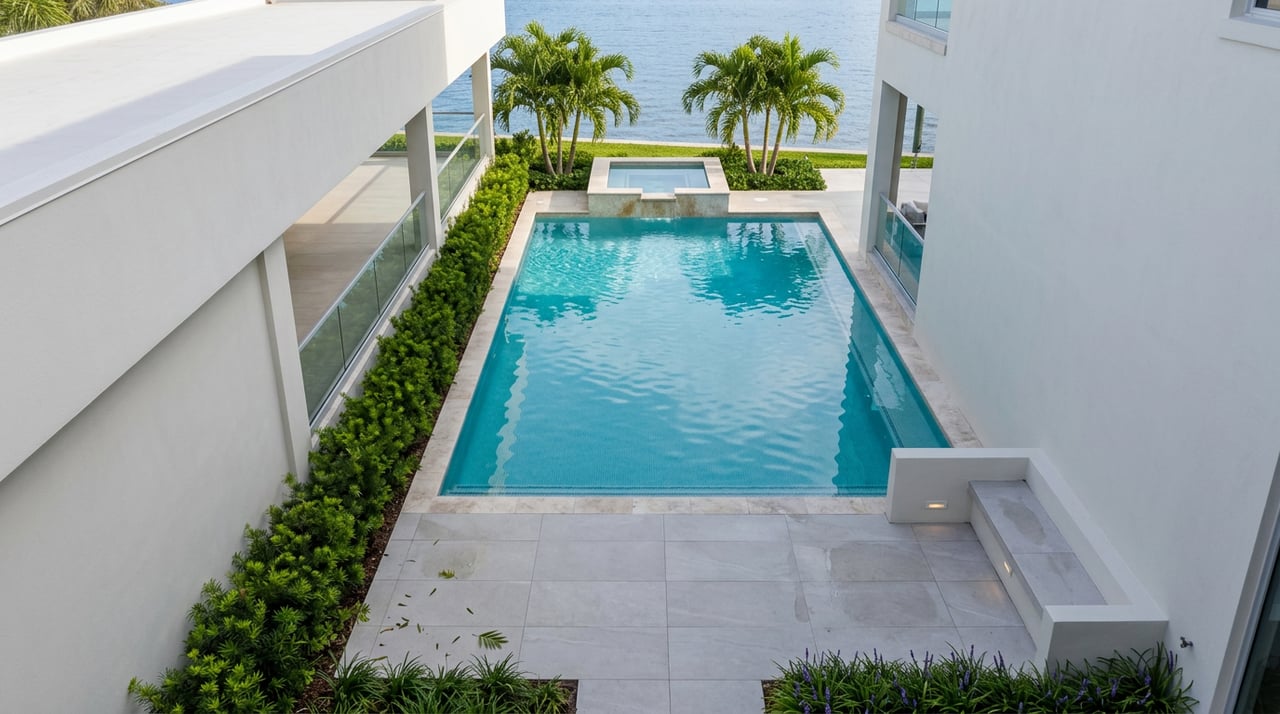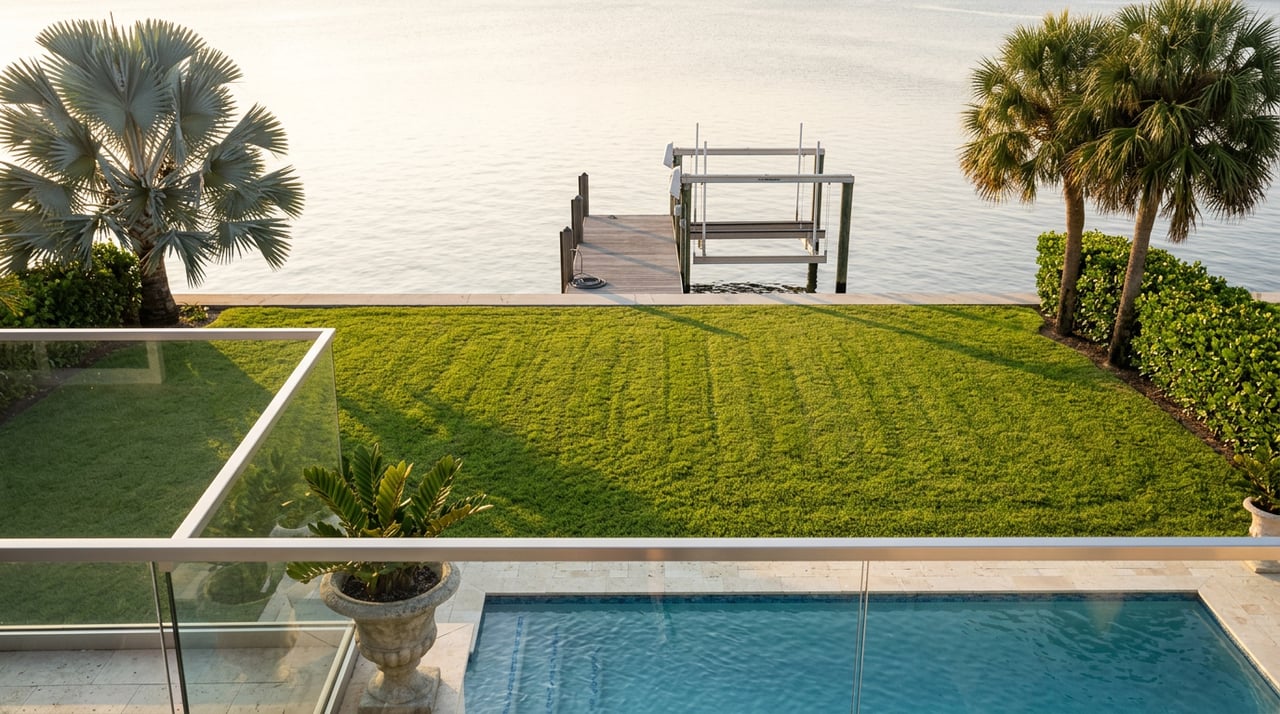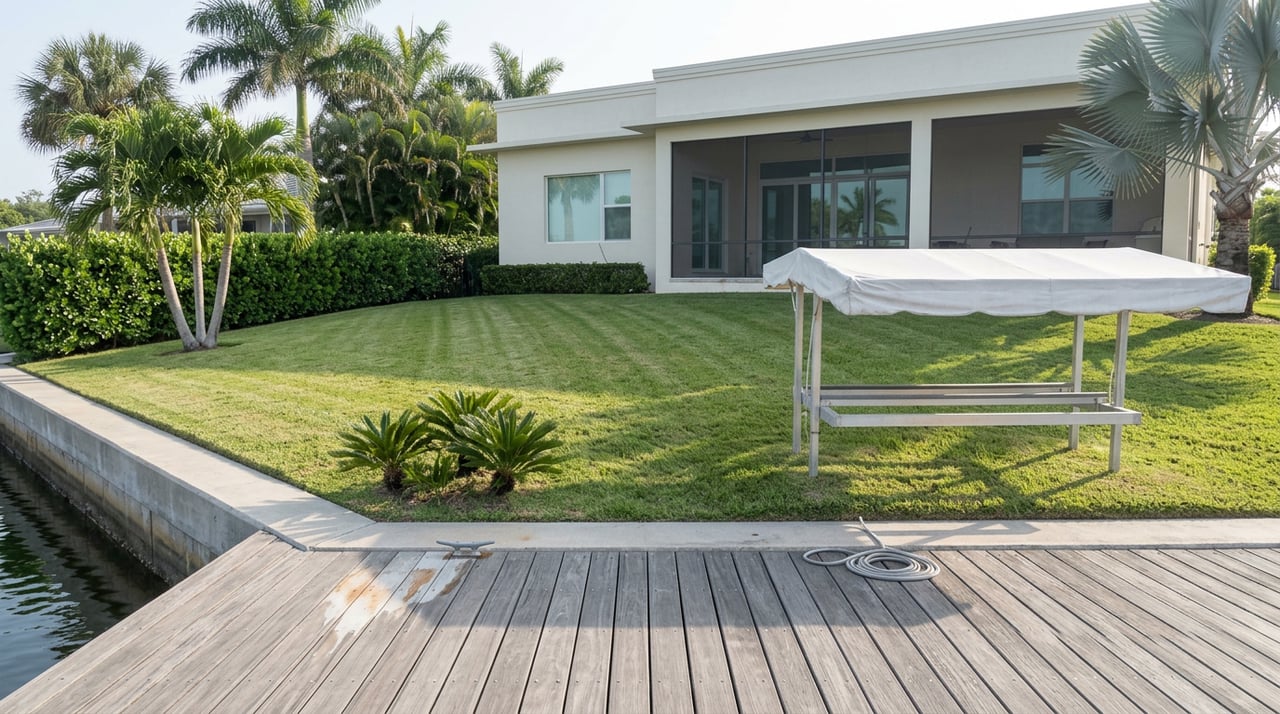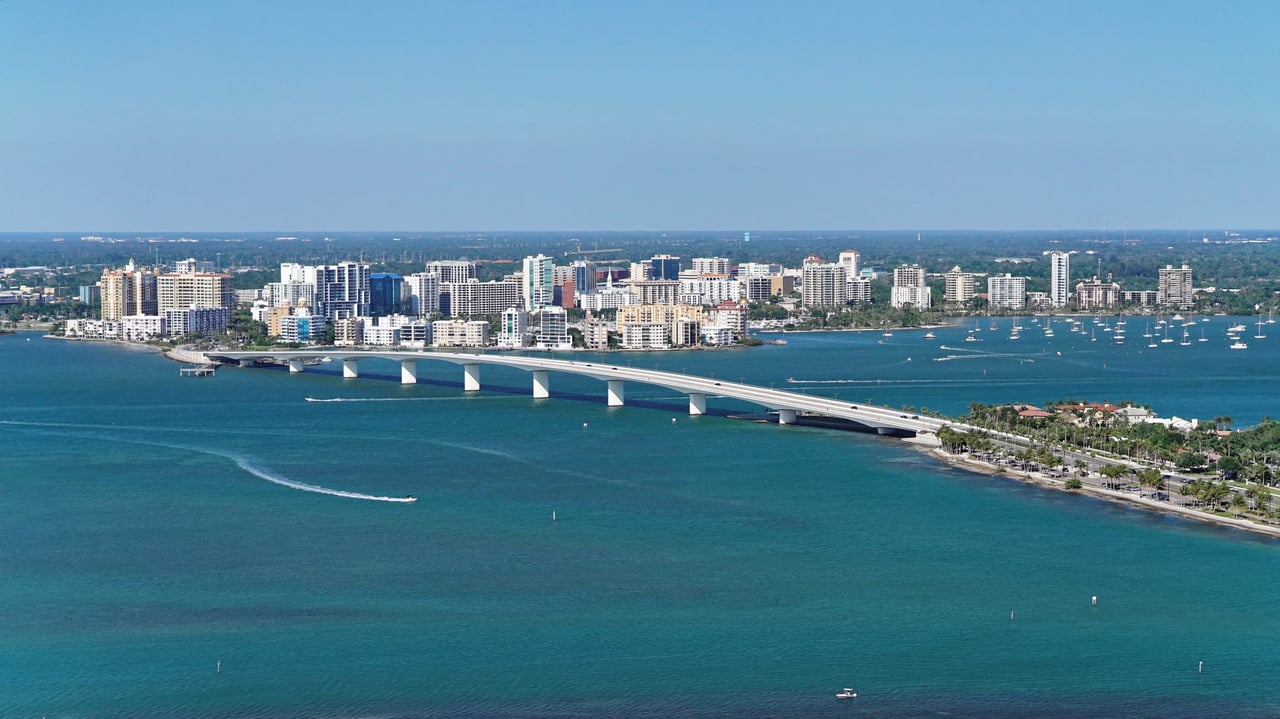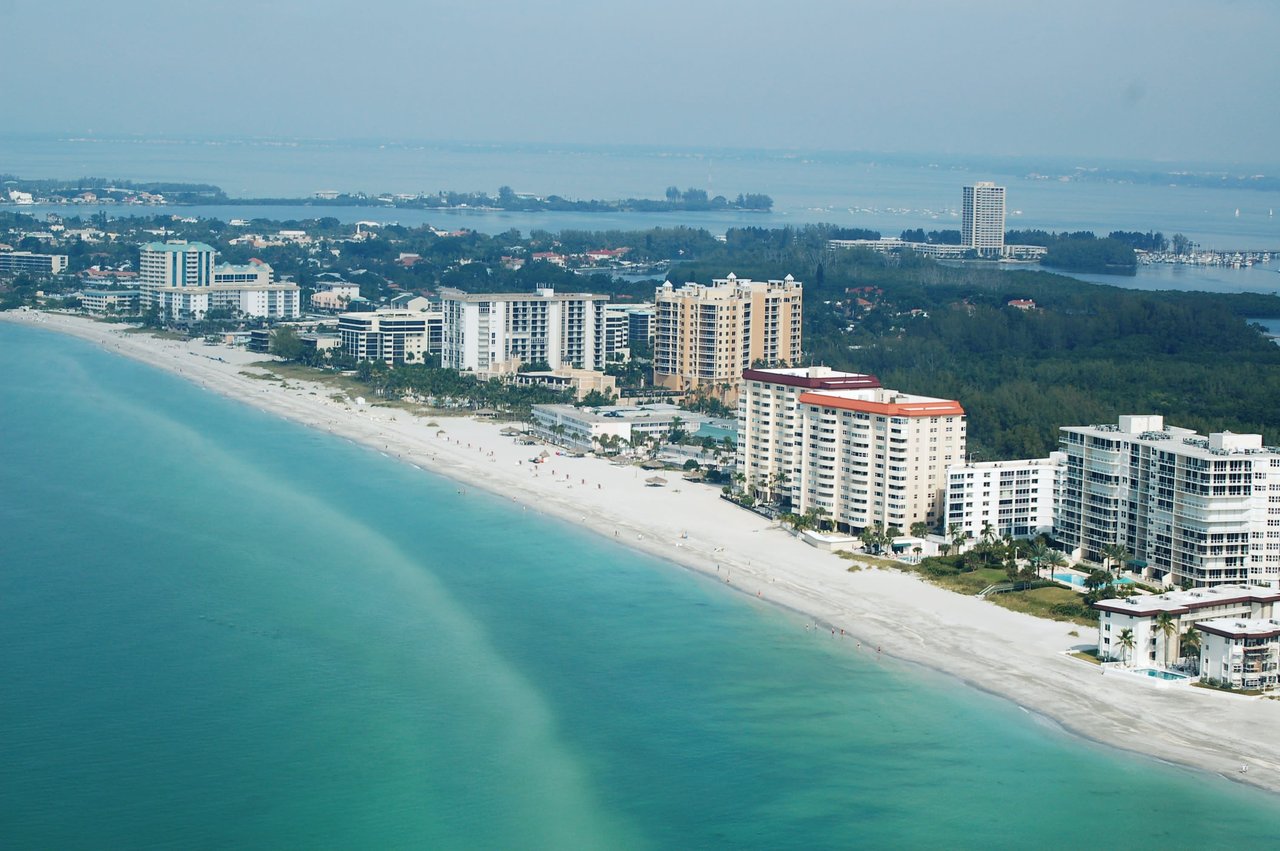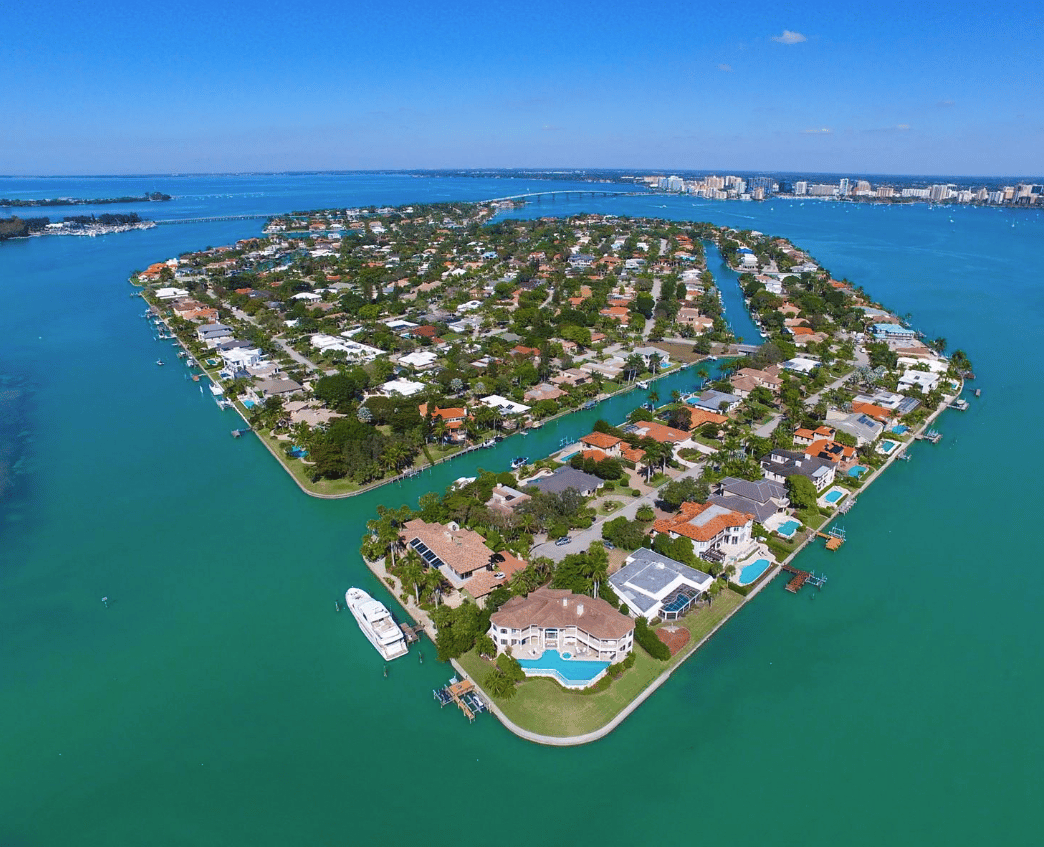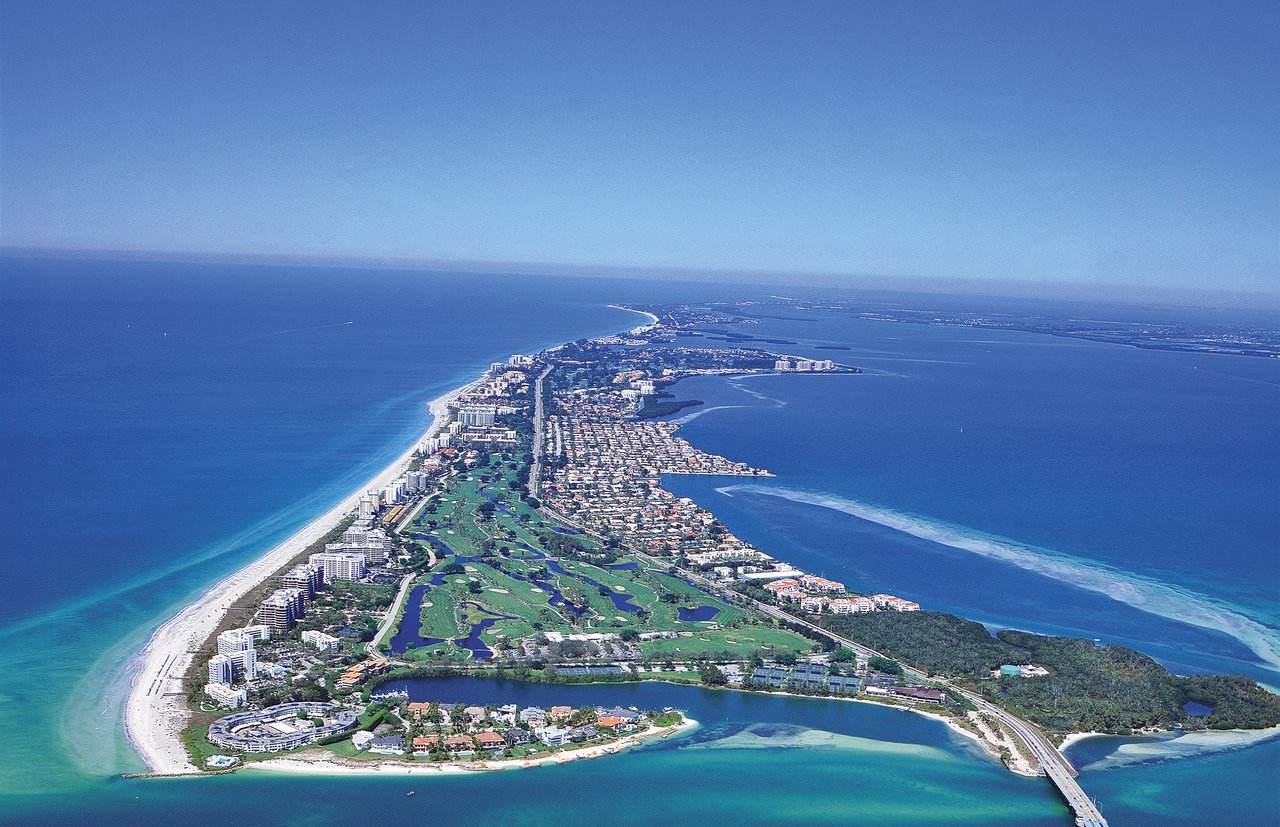

This article is about Longboat Key moving closer to creating a long-term payment plan to dredge and maintain its canals and waterways.
Here is a straightforward, simple version: the Longboat Key Town Commission gave first approval to a new funding structure that would charge certain property owners annual fees to help pay for canal dredging. The vote was unanimous, but it still needs a second approval vote at the next commission meeting on June 1, 2026.
What are they talking about?
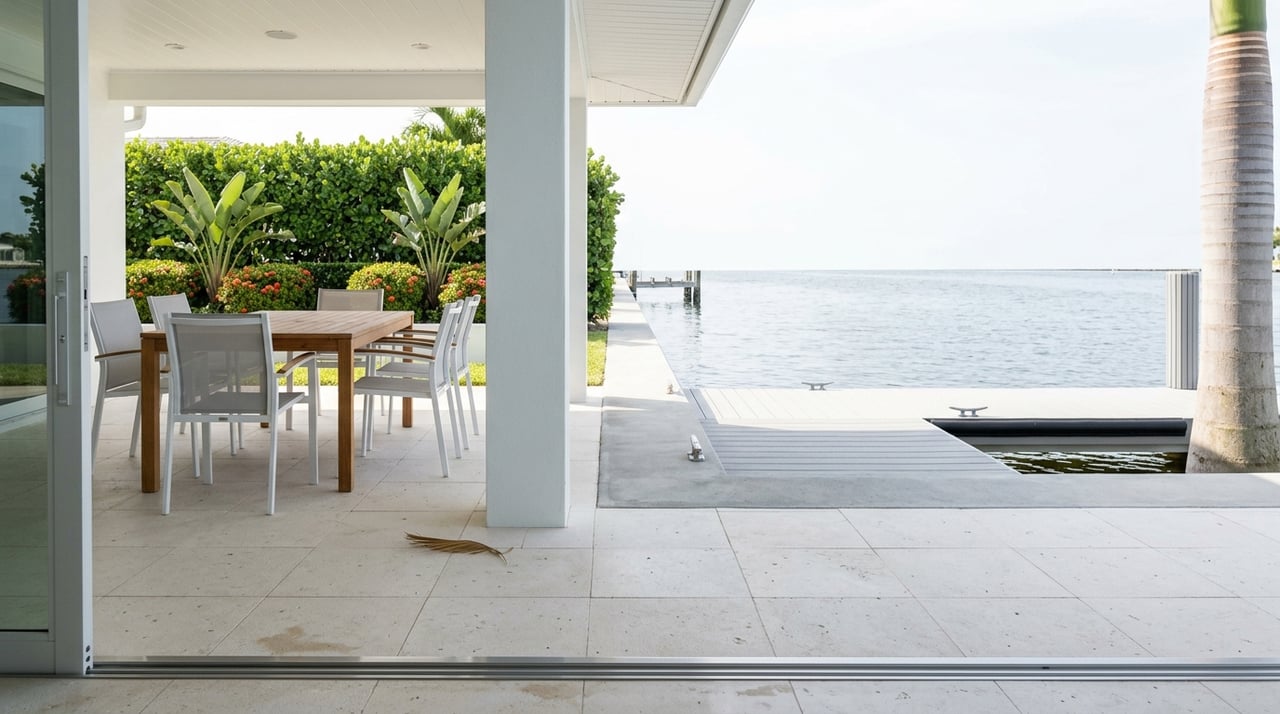
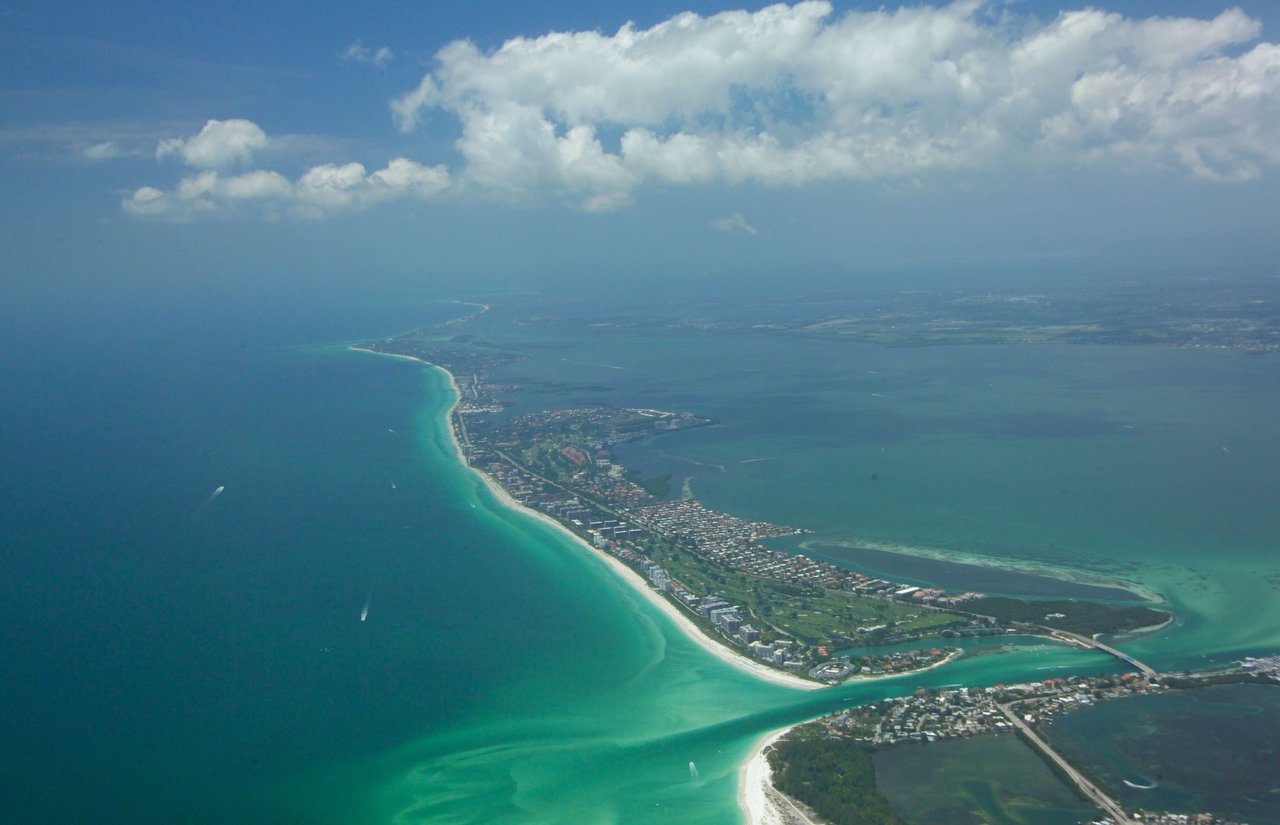
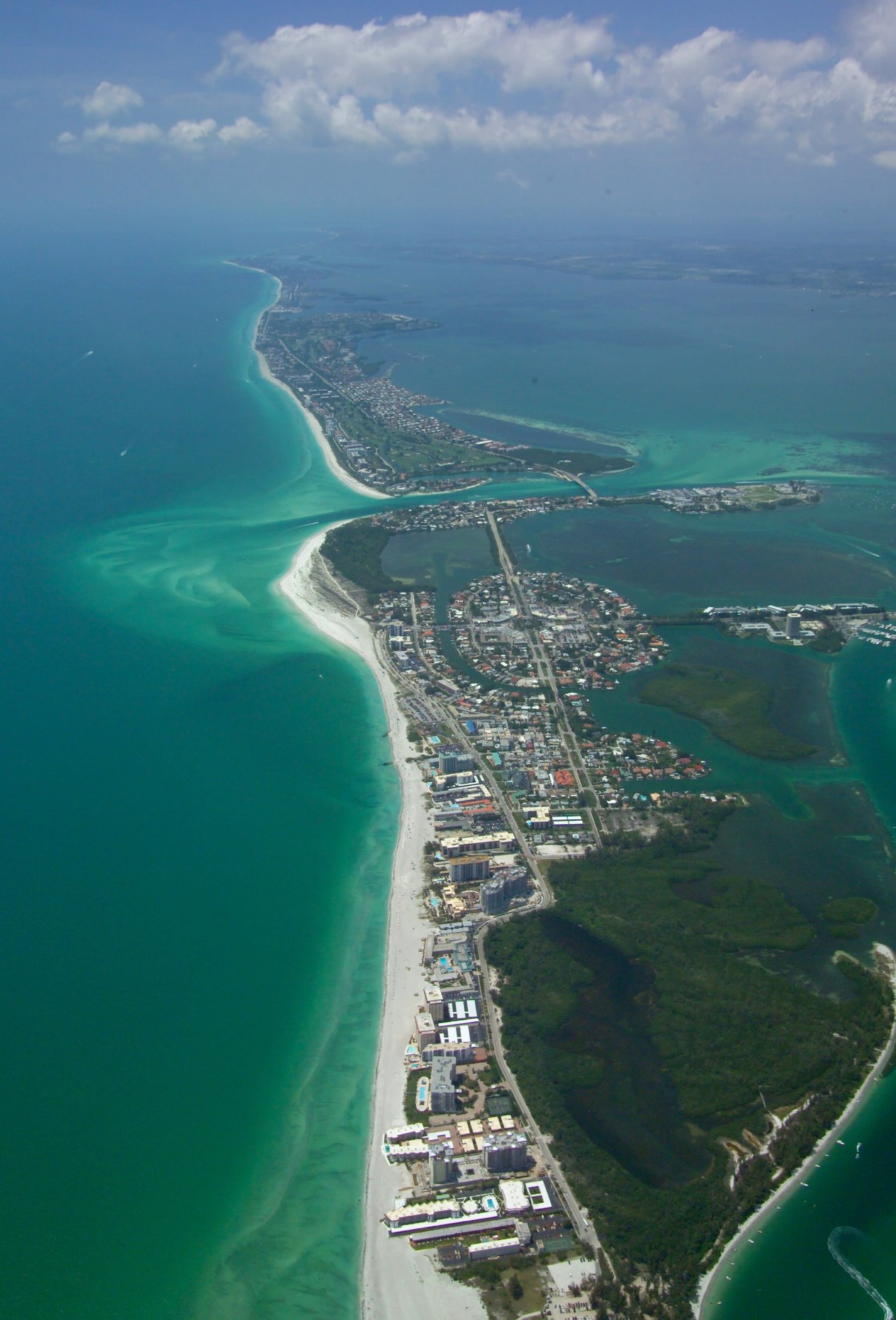
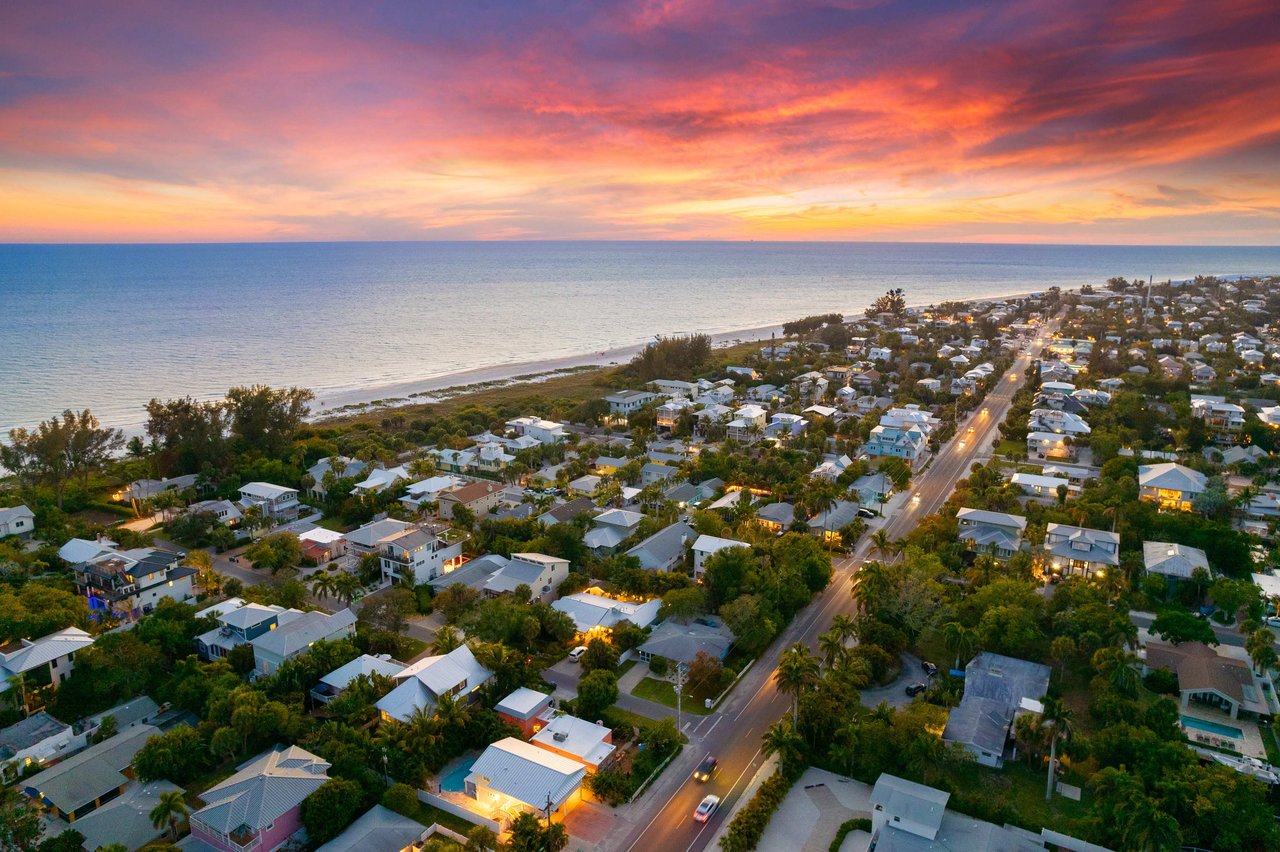
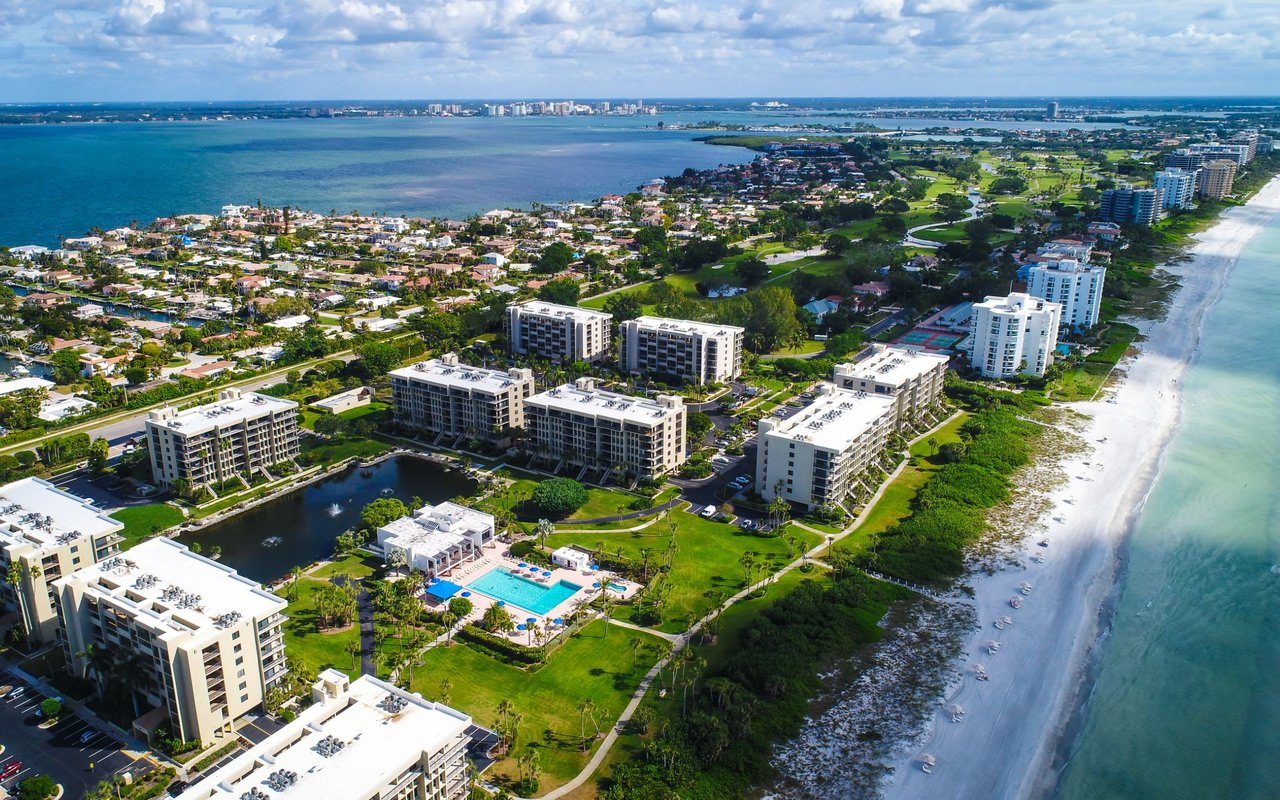
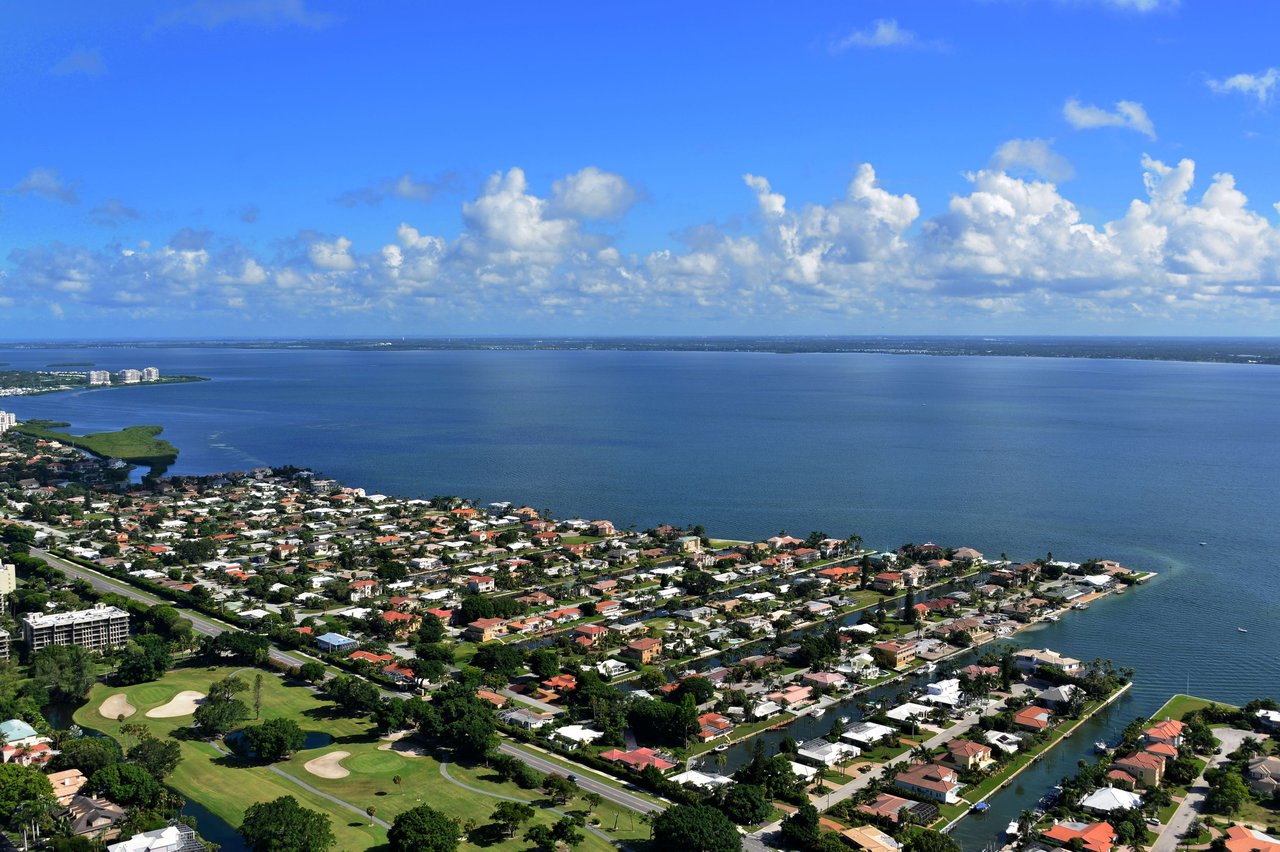
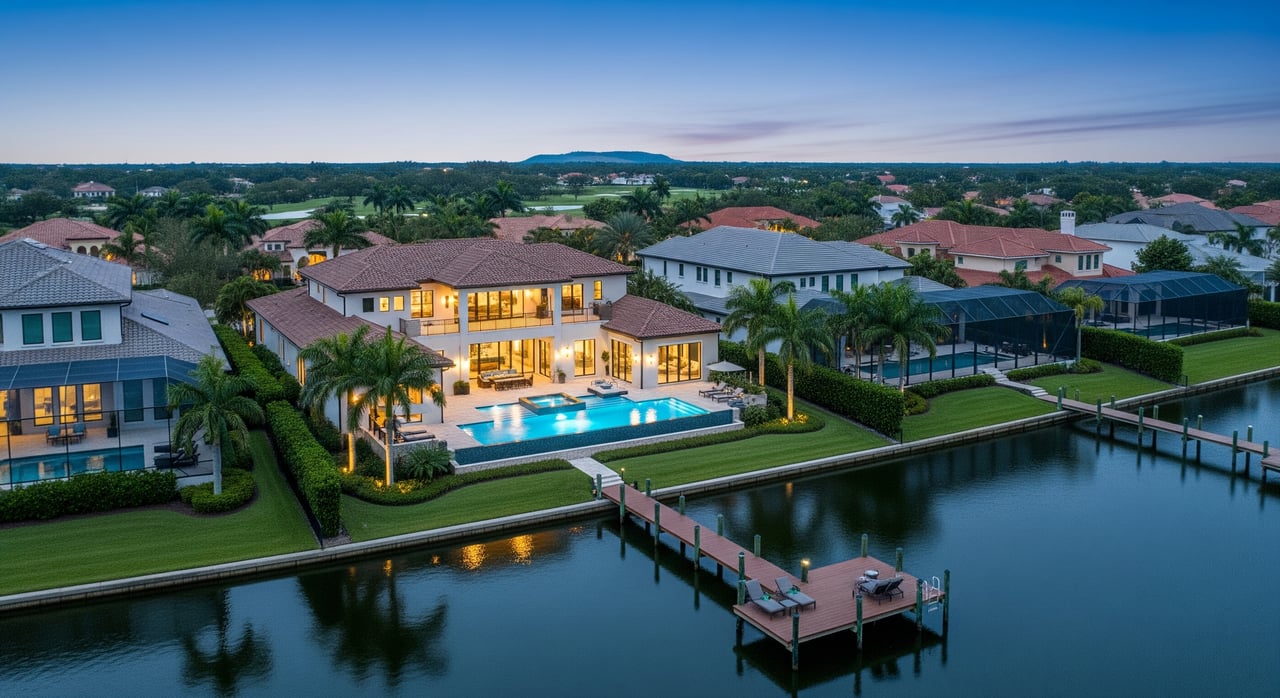
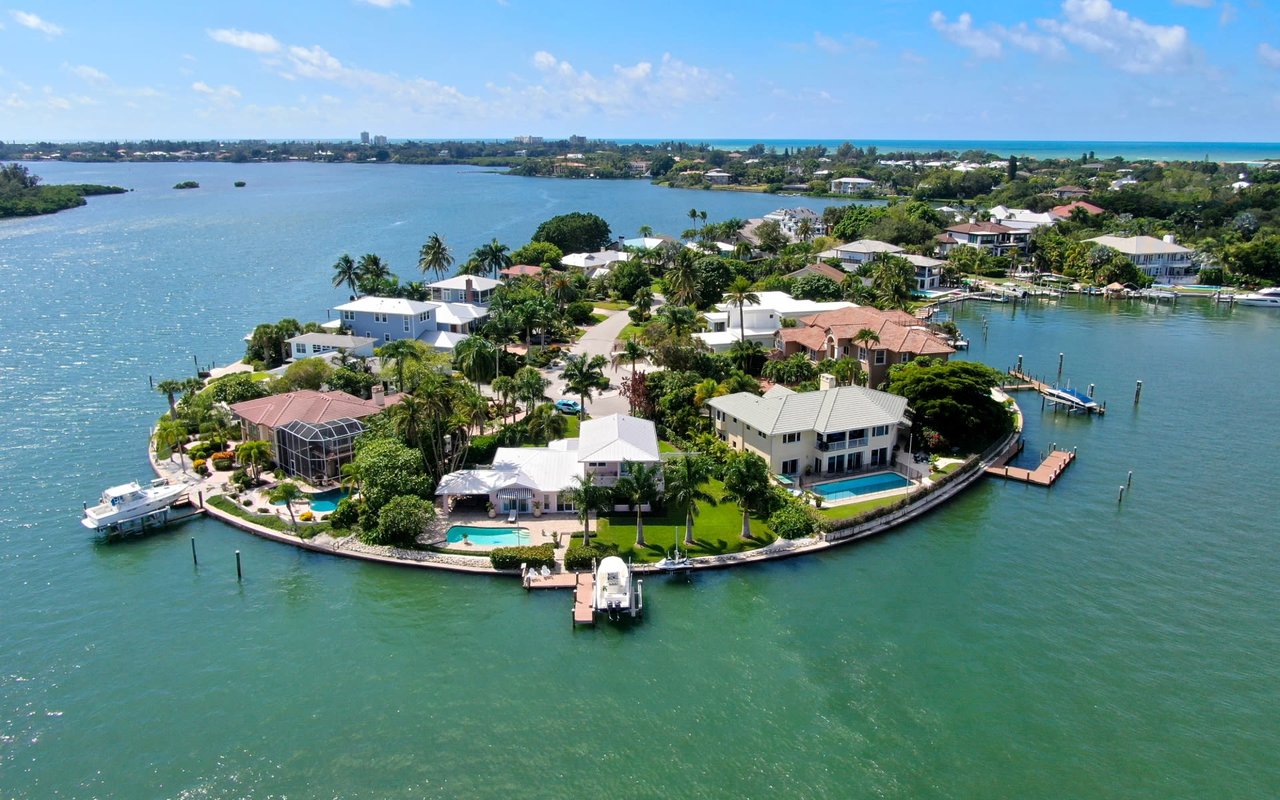
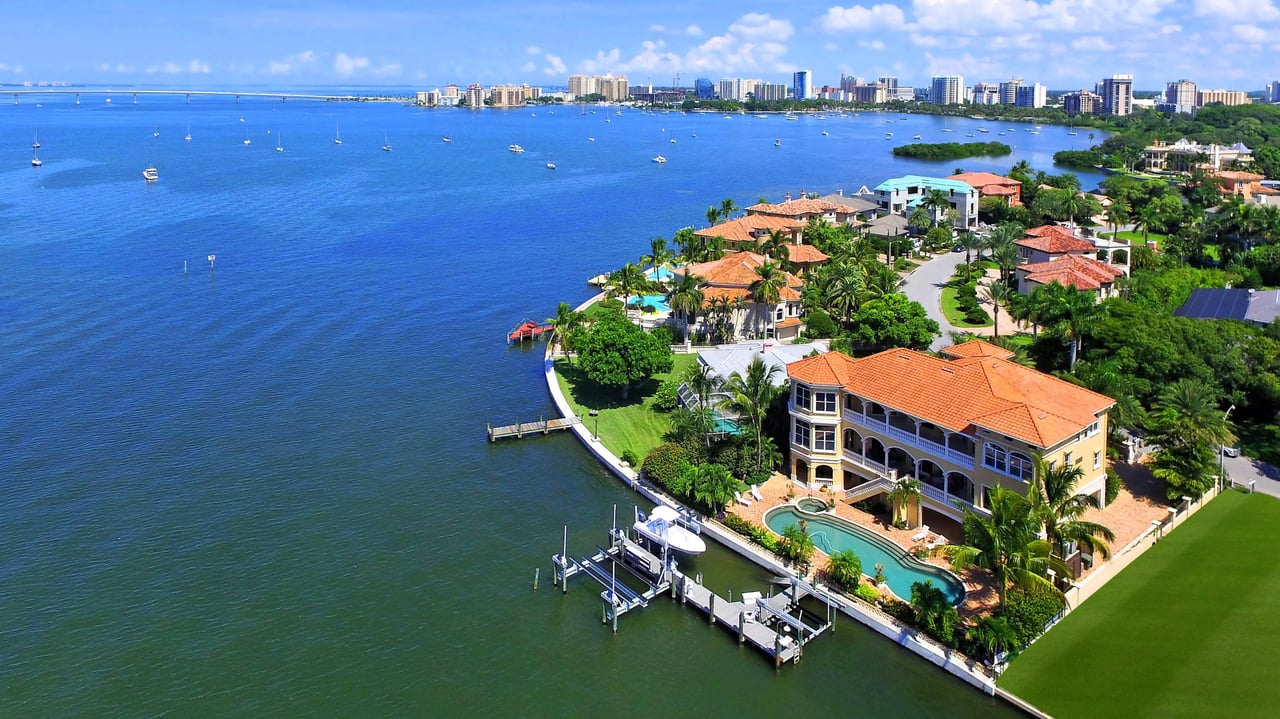
Longboat Key has 88 canals, and many have not been dredged in a very long time. According to the article, the canals were last dredged in 2003, and more than half were graded below a “C” by the town’s coastal engineering consultant, First Line Coastal.
Dredging means removing built-up sediment, sand, muck, and debris from the bottom of canals and waterways. The goal is to improve:
- Boating access and navigation
- Water flow
- Stormwater drainage
- Long-term resiliency for the island
Town Manager Howard Tipton said this is not just about boats. He framed it as a resiliency and stormwater issue because removing sediment creates better drainage during storm events.
What was accomplished?
The commission gave first approval to a funding plan. That means they did not fully finalize it yet, but they moved it forward.
The proposed plan would allow the town to start collecting money in the 2026-2027 fiscal year to pay for canal dredging and ongoing maintenance.
The estimated cost is about $9.66 million over the first five years for the initial dredging program. In the first fiscal year alone, the project is expected to cost about $1.46 million.
How would people pay for it?
The town is proposing a combination of:
1. A flat annual fee
Properties that have a boat ramp or the potential for a boat ramp would pay $620 per lot per year for the first five years. That flat fee is expected to cover about 70% of the cost.
2. Ad-valorem assessments
The rest would come from property-value-based assessments on homes, including both canal-facing and non-canal-facing properties.
The article says the remaining 30% would be split this way:
10% from canal-facing homes
20% from non-canal-facing homes
That creates an 80/20 type split, similar to how Longboat Key handles local funding for beach renourishment.
For example, the article says a $500,000 property would pay a little more than $30 per year through the ad-valorem portion, while a $1 million home would pay about $62.30.
Why are some people questioning it?
One resident, Jim Haft, argued that his property should not have to pay the $620 fee because he lives on open water, not a canal, and said his area does not have sediment buildup or dredging needs.
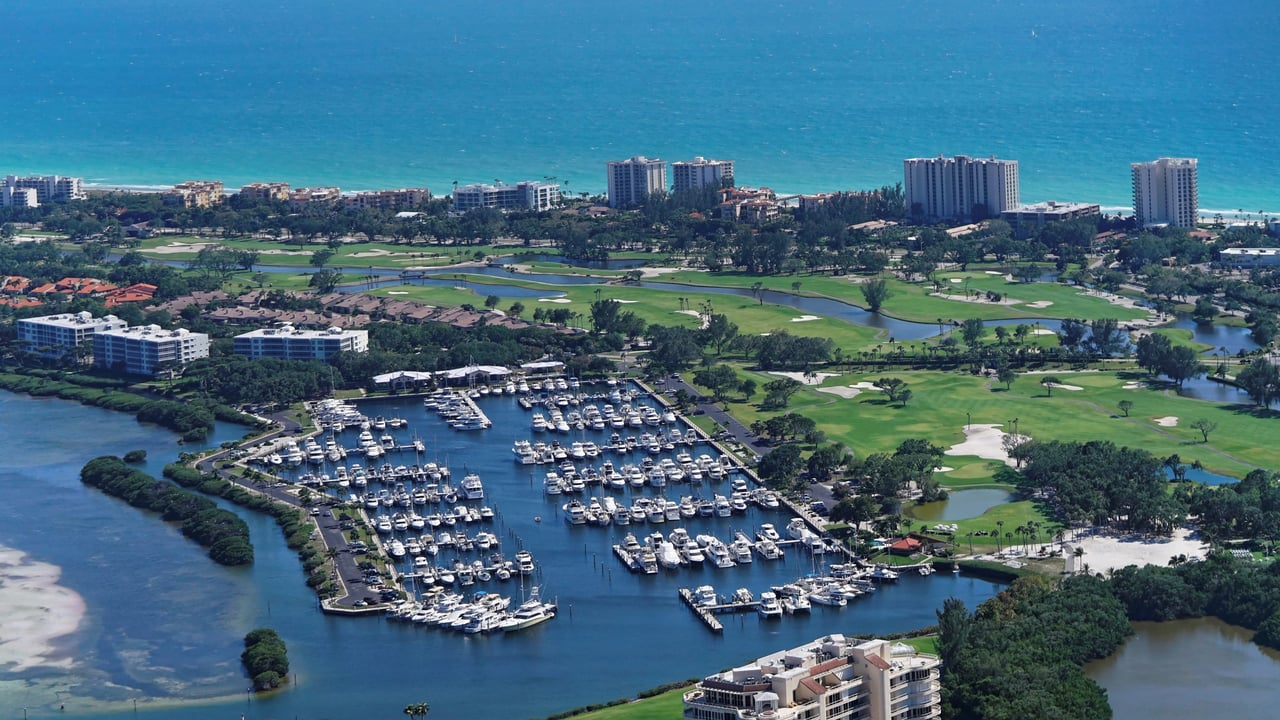
The town’s response was basically: this is not only about individual canals. Assistant Town Manager Isaac Brownman said the program includes canals, waterways, access channels, perimeter channels, and the connections that allow boats to reach the Intracoastal. In other words, the town is treating the waterway network as one connected navigable system.
The Bigger Takeaway
This is Longboat Key trying to create a formal, recurring funding system for canal maintenance instead of waiting decades between dredging projects.
For homeowners, the big issue is: who benefits, who pays, and how much?
For the town, the argument is: the canals and waterways are part of Longboat Key’s infrastructure, boating lifestyle, drainage system, and storm resiliency, so the cost should be shared in a structured way.
What Happens Next?
The commission approved the resolution without amendments, but it still needs a second reading and final approval. The next meeting is scheduled for June 1, 2026.
So, in plain English: Longboat Key is one vote away from approving a new canal dredging payment plan that would charge boat-access properties a larger flat fee while also spreading some of the cost across the broader tax base.