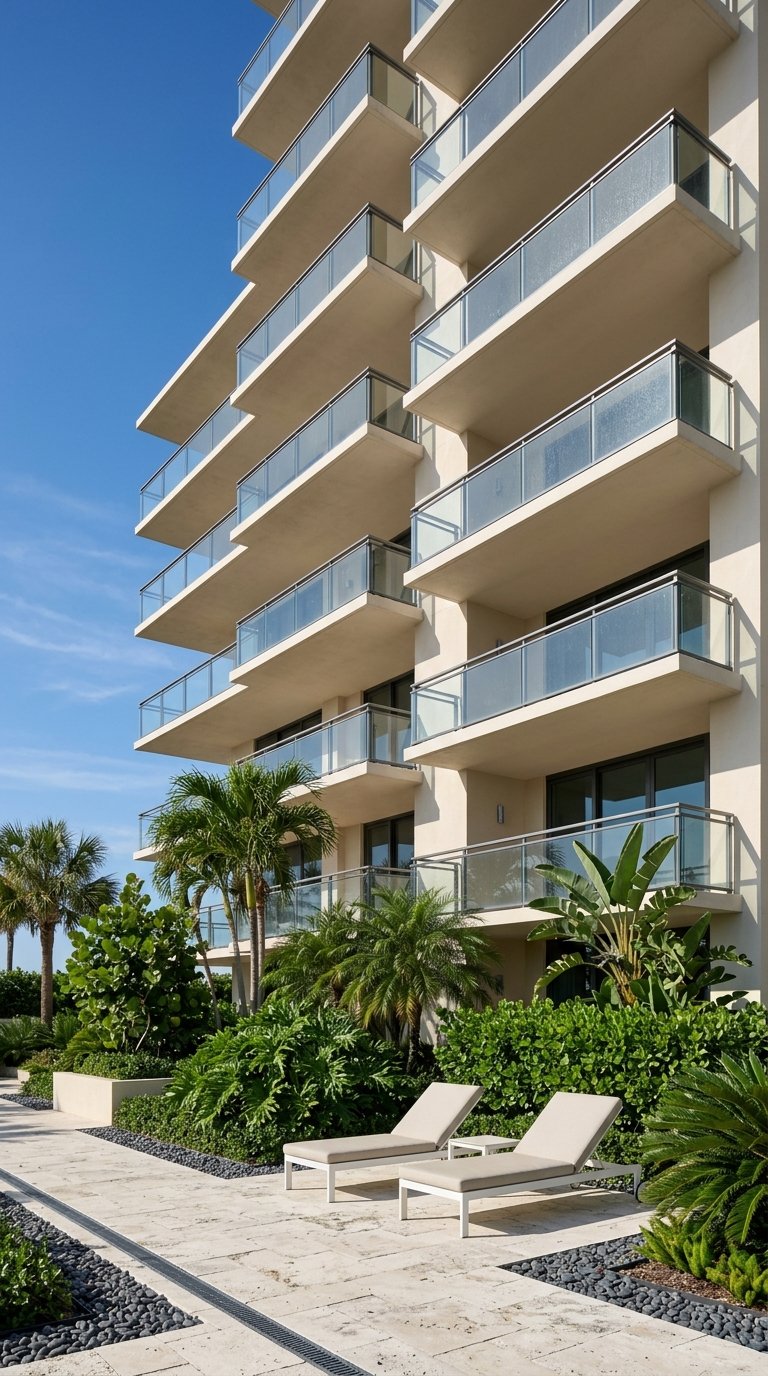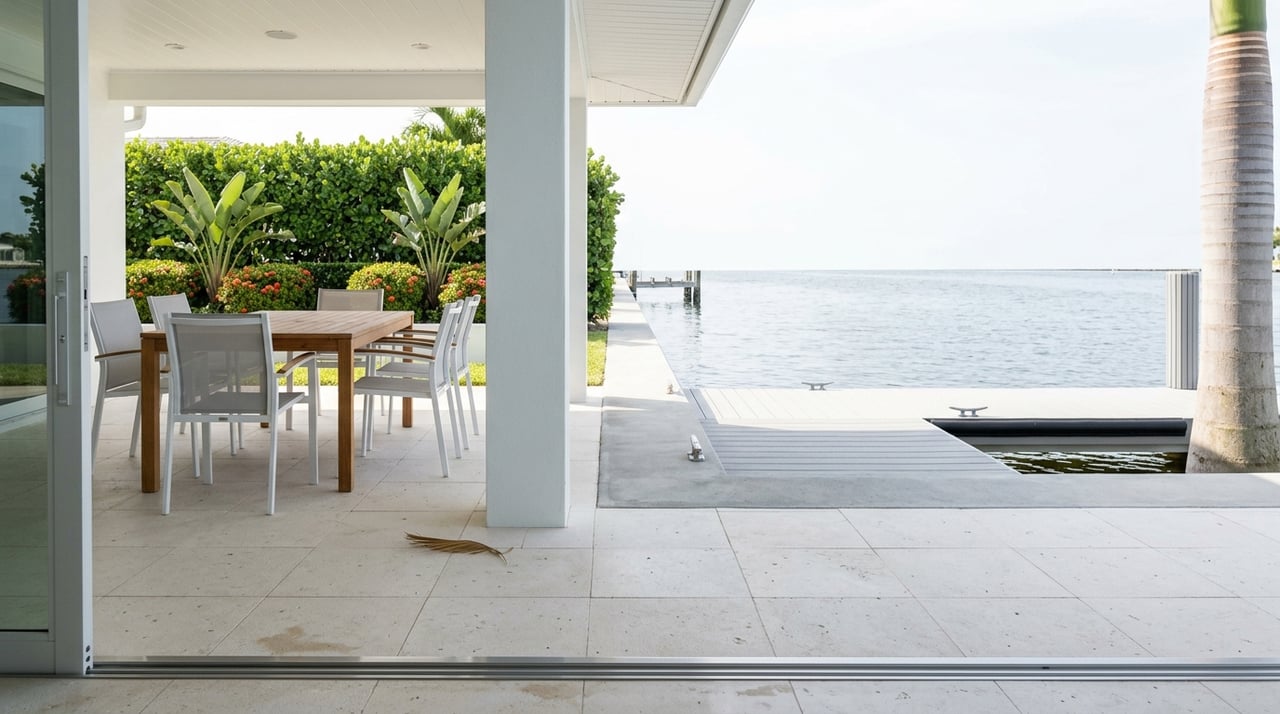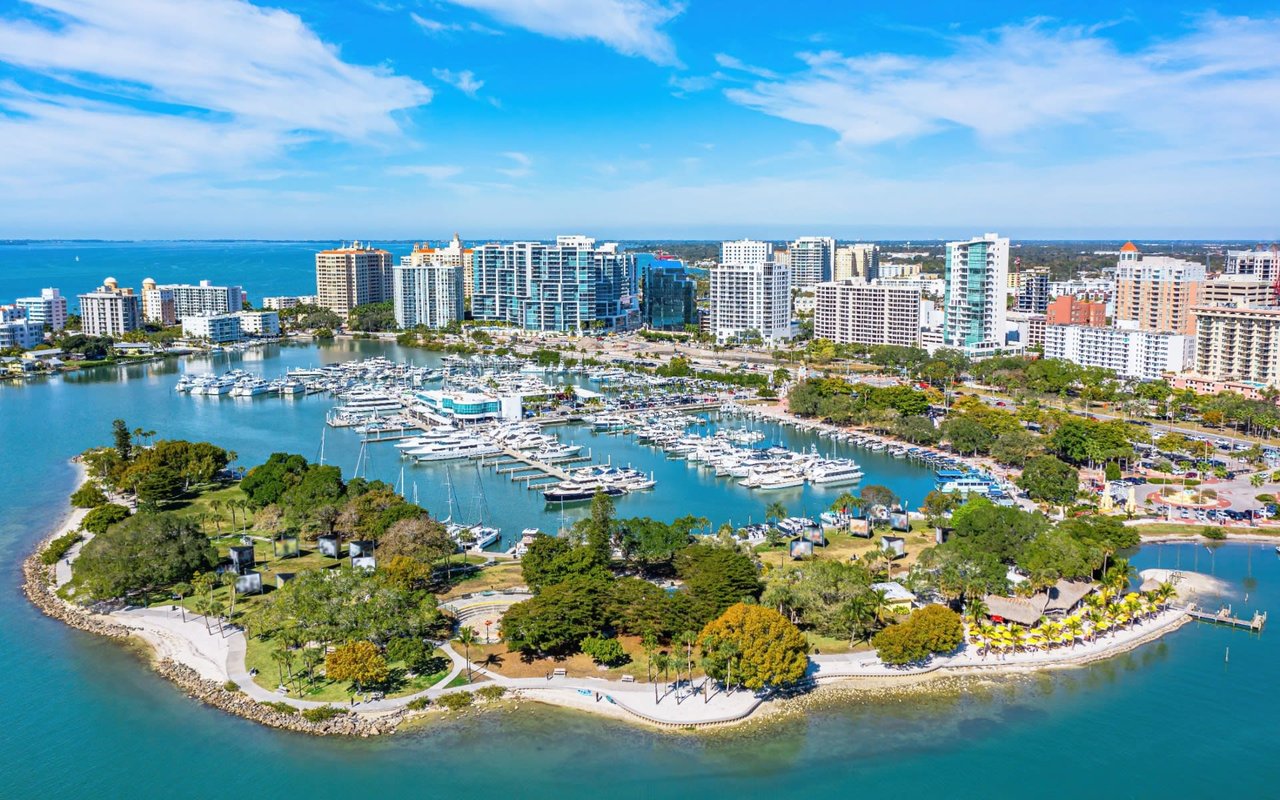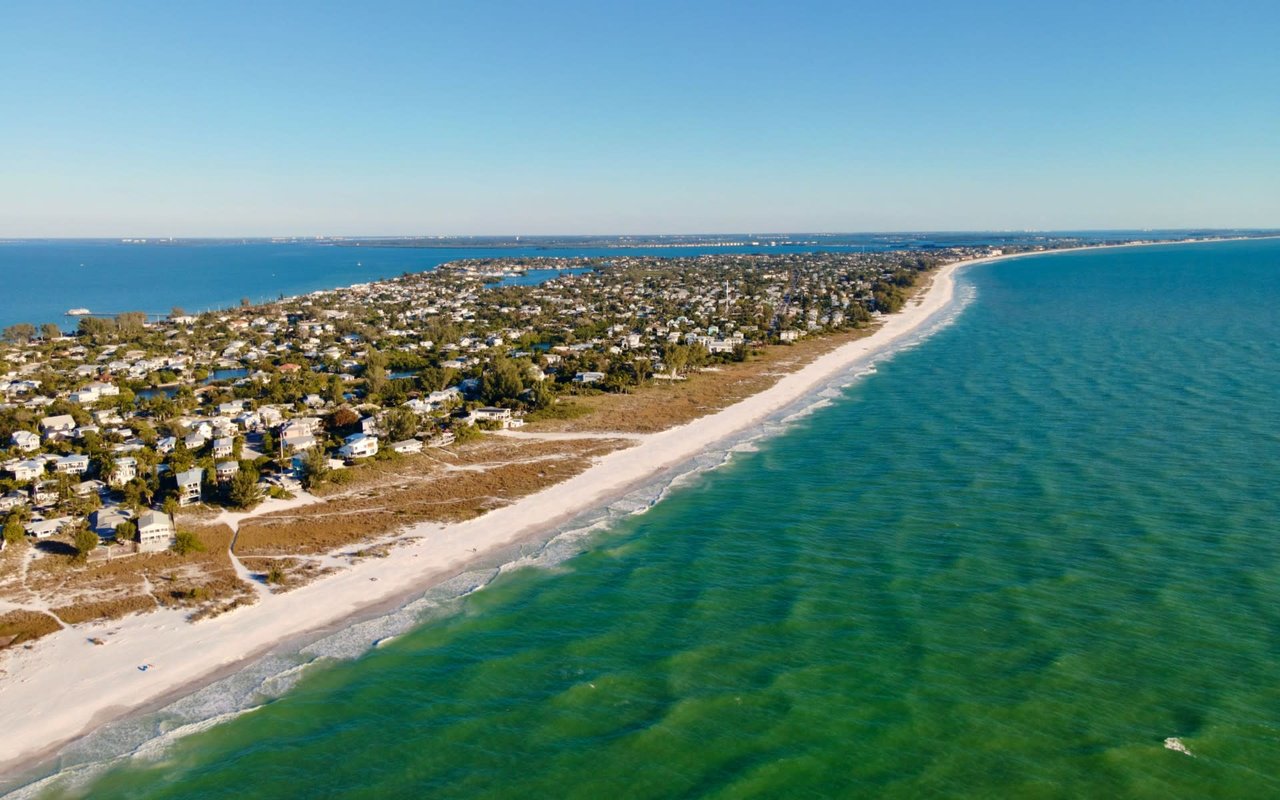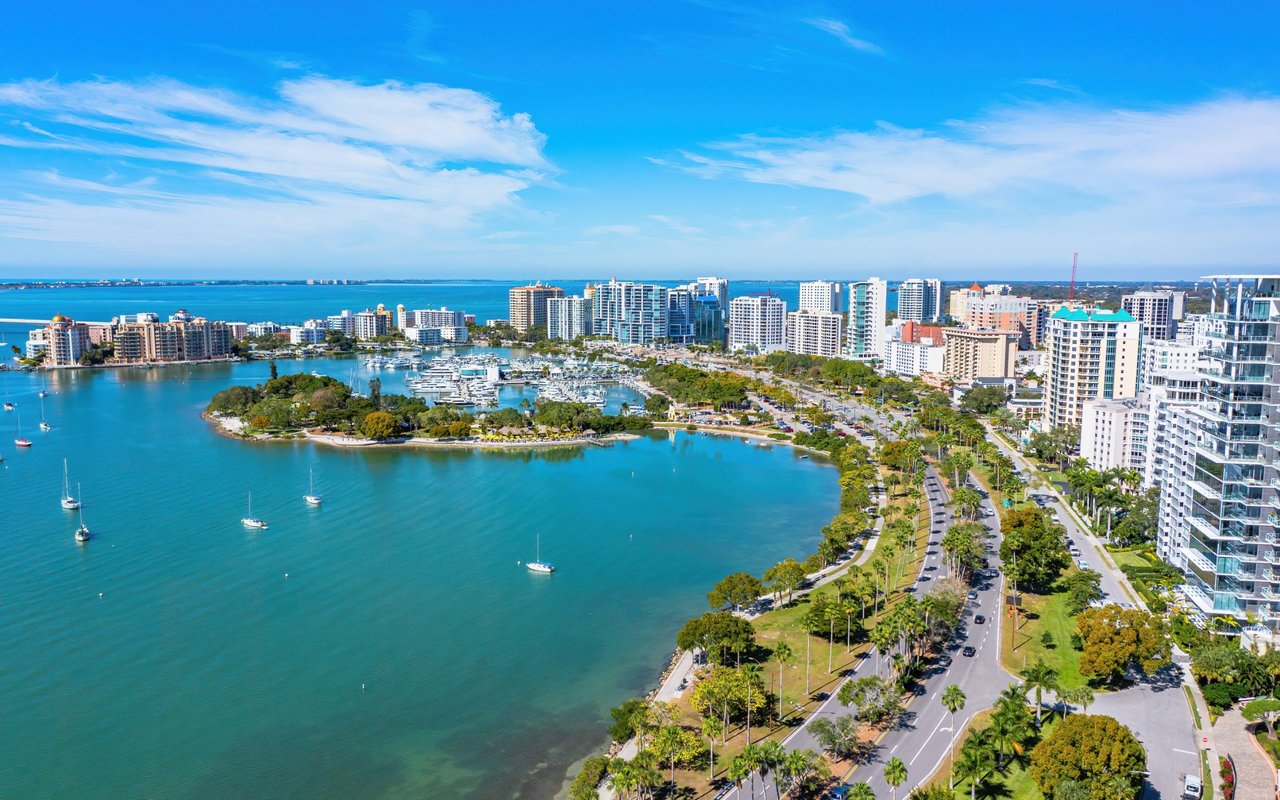

Buying a pre-construction condo in downtown Sarasota can feel exciting and complex at the same time. You may be picturing bay views, modern finishes, and a brand-new building, but the process starts long before the tower is complete. If you want to buy wisely in 34236, it helps to understand how reservations, deposits, disclosures, financing, and city approvals all fit together. Let’s dive in.
Why pre-construction works differently
A pre-construction condo is not just a home purchase. In downtown Sarasota, it is also tied to the project’s approvals, development timeline, and how the building is being delivered.
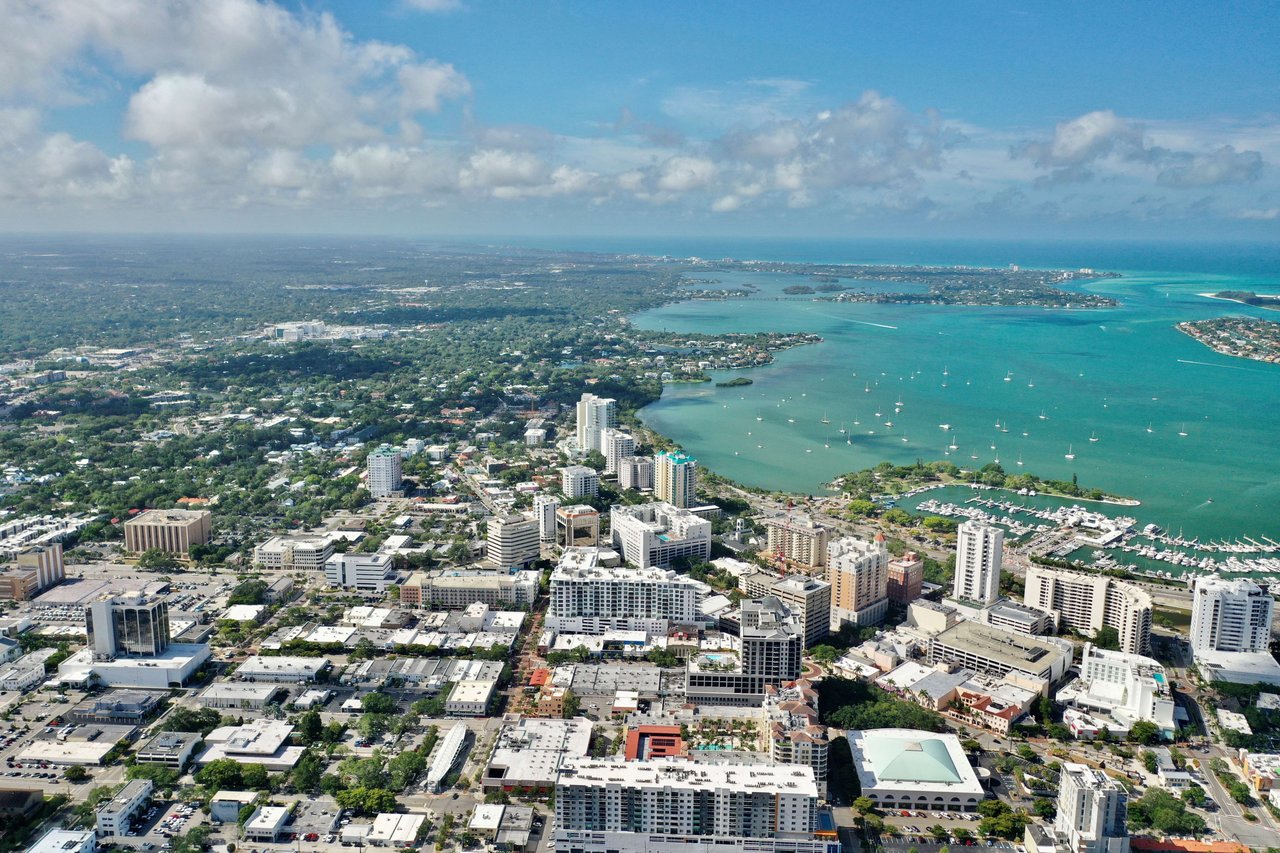
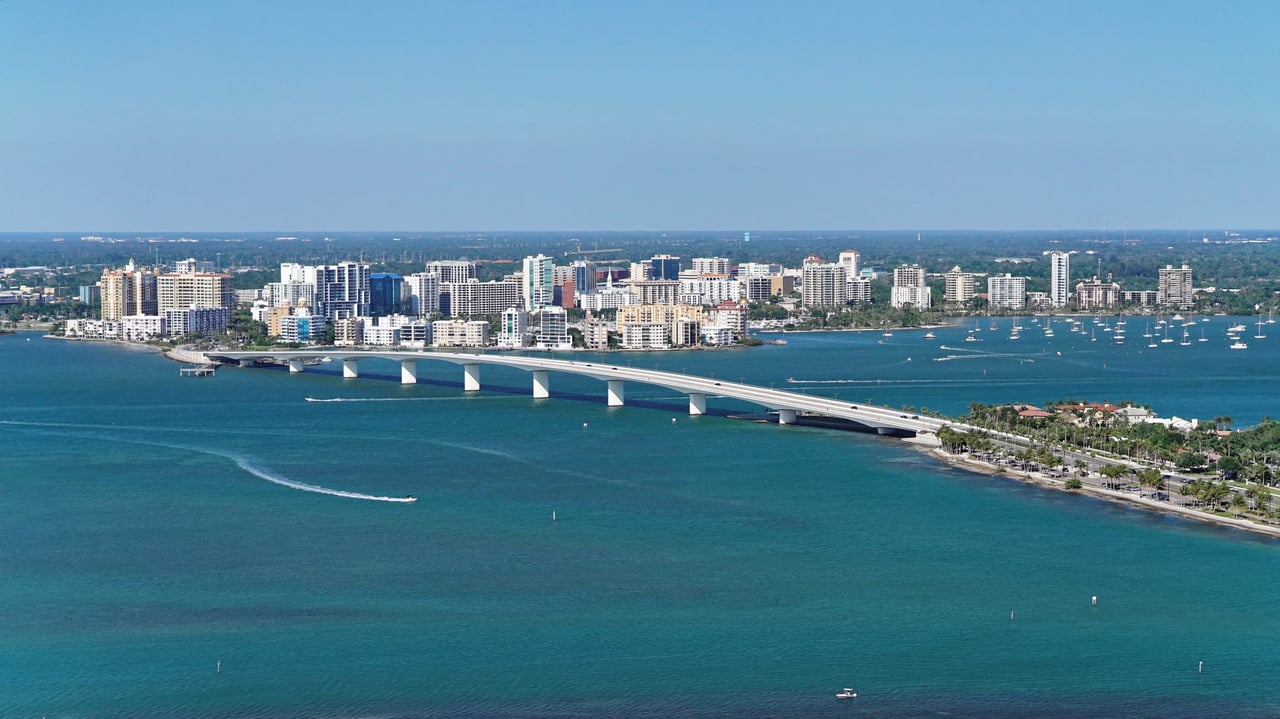
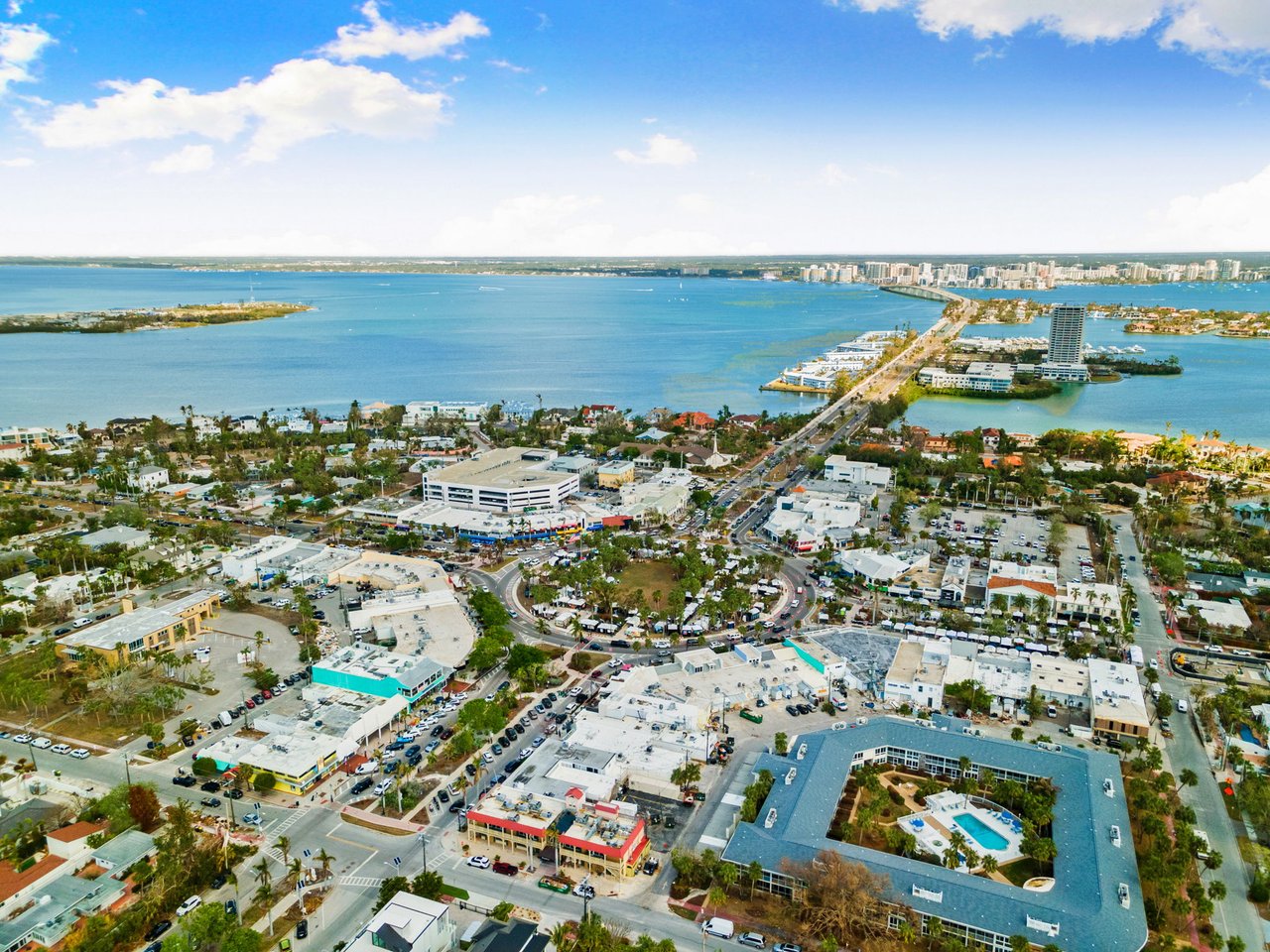
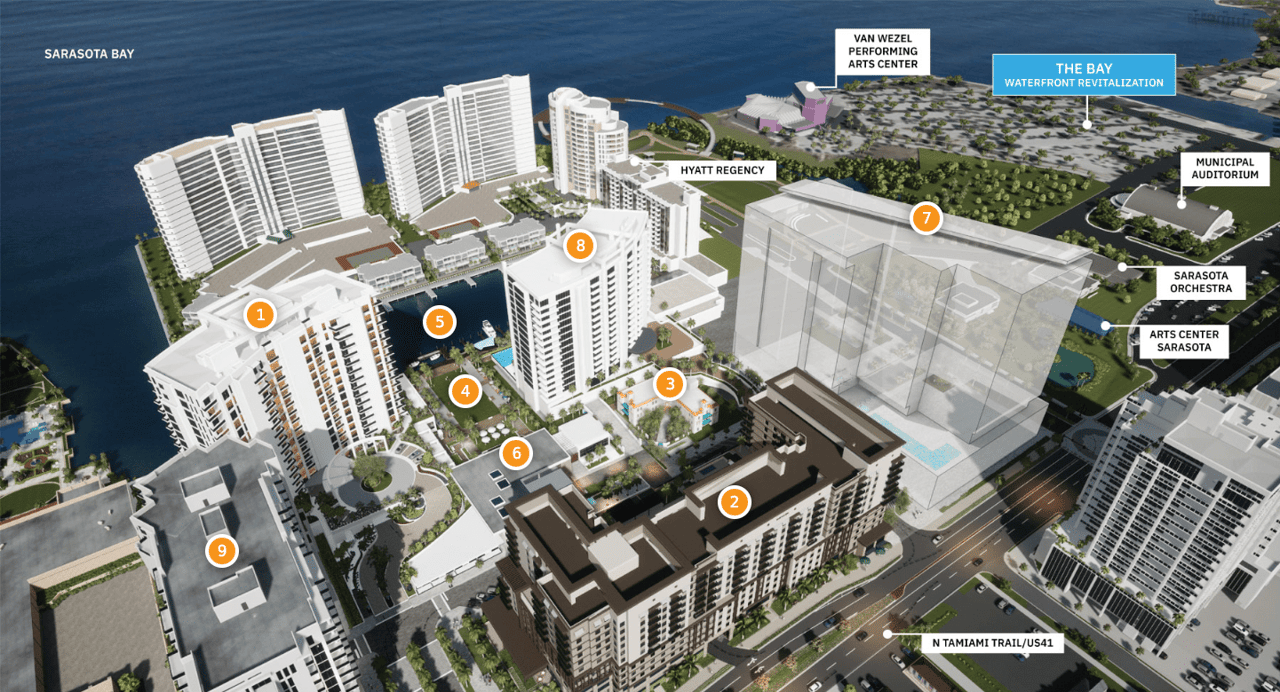
The City of Sarasota’s Planning Department oversees the city plan and zoning code, and downtown projects move through their own development review process. The city’s Office of Economic Development also treats the Downtown Improvement District as a redevelopment priority, which means the building you are buying into may be shaped by broader planning goals as well as market demand.
Some downtown projects also use the city’s Downtown Attainable Housing Density Bonus Program. Under that program, at least 15% of bonus units must be attainable on-site for 30 years, which can affect unit mix and project planning from the beginning.
Start with the project itself
Before you focus on floor plans and finish packages, make sure you understand the development story. In pre-construction, your purchase is tied to the building’s phasing, approvals, and official documents, not just the model unit or sales presentation.
This is especially important in downtown Sarasota, where redevelopment activity can shape timing and delivery. A project may be attractive on paper, but you still want clarity on where it stands in the approval and filing process.
Understand reservations before filing
In Florida, a developer generally cannot offer a binding contract until the condominium documents are filed with the state division. Before that happens, the developer may take reservation deposits only under specific conditions.
A fully executed escrow agreement and reservation agreement form must be properly filed, and the developer must already have an ownership, leasehold, or contractual interest in the land. For buyers, one of the most important protections is simple: the reservation deposit must be refundable immediately on written request.
That early refund right matters. It gives you flexibility while the project is still in its earliest stage and before you are locked into a binding purchase contract.
Know how condo deposits are handled
Deposit structure is one of the biggest risk-management issues in a pre-construction condo purchase. It is not just a line item on the contract.
For a residential condominium that is not yet substantially complete, all payments up to 10% of the sale price must be held in escrow. Amounts above that 10% can be released only if the contract allows it, and after construction begins those funds may be used only for actual construction and development costs.
Florida law excludes items such as sales commissions, advertising, salaries, and loan costs from those allowed uses. That is why you should understand exactly when deposits are due, how they are held, and what the contract says about any funds above the first 10%.
Review the disclosure package carefully
For projects with more than 20 residential units, the developer must file a prospectus or offering circular and provide it to you before there can be an enforceable contract. This package is one of the most important parts of your due diligence.
The disclosure package should explain key issues such as voting rights, leasing restrictions, recurring fees, assessment levels by unit type, mandatory club or recreation obligations, closing expenses, and whether title insurance or a title opinion is available and at whose expense. It also covers whether the condominium is part of a multiple-parcel structure and whether there is litigation exposure above $100,000.
Required exhibits typically include the declaration, articles, bylaws, budget, management agreements, floor plans, plot plans, and other restrictions. The prospectus must also identify the developer and the principal directing the project, along with that person’s experience.
Put every promise in writing
When you visit a sales gallery, it is easy to focus on renderings, samples, and verbal explanations. But Florida’s developer disclosure rules make a critical point: oral representations cannot be relied upon.
That means if you are comparing finish levels, upgrade options, amenity details, or expected delivery timing, you should confirm everything in writing. Your selections and any changes should match the contract and exhibits, not just the presentation you heard during the sales process.
This step is especially important in the luxury market, where upgrade packages and amenity expectations can meaningfully affect value and lifestyle. Clear written records help protect your decision and reduce surprises later.
Watch your cancellation windows
Florida gives buyers important cancellation rights in a developer condo contract. After signing and receiving the required documents, you generally have a 15-day cancellation right.
You may also get another 15-day cancellation right if a later amendment materially and adversely changes the offering. Any waiver of those voidability rights is ineffective, and the right ends at closing.
Developers must deliver amendments before closing and no later than 10 days after the amendment is filed. At the same time, it is important to know that budget figures in developer materials are estimates only, so later cost increases do not automatically count as a material adverse change.
Make flood risk part of your due diligence
In Sarasota’s coastal and waterfront-adjacent market, flood and insurance questions should be treated as core diligence items. They are not something to leave for the very end.
Florida developer contracts include a flood warning and require disclosure about whether the developer knows of flooding, has filed flood-related claims, or has received FEMA assistance for the property or common elements. If you are buying downtown and considering a bayfront or near-water location, this is a practical area to review closely.
You will want to understand how flood exposure may affect future ownership costs, insurance planning, and your comfort with the property over time. In a luxury purchase, that level of clarity matters.
Compare pre-construction to resale options
Sometimes the right move is not just choosing between buildings. It is deciding whether pre-construction or resale makes more sense for your goals.
With pre-construction, you may get a newer design, current finishes, and the appeal of a just-completed building. With resale, especially in older condos, the disclosure package can include a different set of records that may help you evaluate the building’s current condition and financial picture.
Florida requires current copies of the declaration, articles, bylaws, annual financial statement, budget, milestone summary if applicable, the latest structural integrity reserve study or a statement that none has been completed, and any applicable turnover inspection report. State guidance also says structural inspection reports and reserve studies are official records that must be provided to potential purchasers.
For older buildings, milestone inspections generally apply when a building reaches 30 years of age, with earlier local triggers possible in some coastal areas. Current guidance also notes certain association deadlines tied to December 31, 2025 and, where paired with milestone inspections, no later than December 31, 2026.
Plan for financing and closing timing
If you are financing your purchase, timing matters. A preapproval can help you start shopping, but it is not the same as final loan approval.
The Consumer Financial Protection Bureau notes that a preapproval letter is only a tentative willingness to lend, not the final underwriting decision. Later in the process, if you use a mortgage, your lender must provide the Closing Disclosure at least three business days before closing so you can review final terms, costs, and cash needed to close.
In pre-construction, long timelines can create changes between reservation and closing. That is why many buyers benefit from checking in with their lender well before the finish line rather than assuming the early financing conversation is enough.
Build the right advisory team
A pre-construction condo purchase usually involves more moving parts than a typical resale. Deadlines, filings, amendments, upgrades, deposit stages, and lender coordination all need attention.
This is where a strong buyer representation team can add real value. In practice, the buyer’s agent often acts as a process manager, helping you track filing status, disclosure delivery, amendment notices, deposit timing, upgrade selections, and coordination with your attorney, lender, title or escrow team, and insurance advisor.
For downtown Sarasota buyers, that local oversight can be especially helpful. A team with development and construction insight can help you look past the marketing and focus on what matters in the documents and timeline.
A simple buying checklist
If you are considering a pre-construction condo in downtown Sarasota, keep this checklist in mind:
- Confirm where the project stands in the city review and filing process
- Ask whether you are signing a reservation or a binding contract
- Review how deposits are held and when additional funds may be released
- Read the prospectus or offering circular and all exhibits carefully
- Verify upgrades, finishes, amenities, and delivery details in writing
- Track your 15-day cancellation rights and any later amendment notices
- Review flood-related disclosures early
- Coordinate financing updates well before closing
- Compare the opportunity with resale condo options in the same market
Buying pre-construction can be a smart way to secure a downtown Sarasota lifestyle with new design and modern amenities. The key is to approach it with clear expectations, careful document review, and local guidance that keeps your interests front and center.
If you are weighing a downtown tower, comparing it to island and waterfront alternatives, or simply want a more informed path through the process, Schafer Real Estate is here to help you move with clarity and confidence.
FAQs
What should you review before buying a pre-construction condo in downtown Sarasota?
- You should review the prospectus or offering circular, declaration, bylaws, budget, floor plans, plot plans, leasing restrictions, assessment information, closing expenses, and any written details about upgrades, amenities, and delivery timing.
How are deposits handled for a pre-construction condo in Florida?
- For a residential condo that is not yet substantially complete, payments up to 10% of the sale price must be held in escrow, and amounts above that may be released only if the contract allows it and only under the limits set by Florida law.
Can you cancel a pre-construction condo contract in Florida?
- Yes. Buyers generally have a 15-day cancellation right after signing and receiving the required documents, and may have another 15-day cancellation right if a later amendment materially and adversely changes the offering.
Why does flood disclosure matter for a downtown Sarasota condo purchase?
- Flood disclosure matters because Florida developer contracts must include flood-related warnings and disclosures, and in Sarasota’s coastal market, flood exposure and insurance can affect both ownership costs and long-term comfort with the property.
How is buying pre-construction different from buying a resale condo in Sarasota?
- Pre-construction centers on developer filings, deposit rules, amendment notices, and future delivery, while resale condos may provide existing building records such as financial statements, milestone summaries, structural inspection reports, and reserve study information.
When do you get final loan details for a financed condo purchase?
- If you are using a mortgage, the lender must provide the Closing Disclosure at least three business days before closing so you can review the final loan terms, costs, and cash to close.