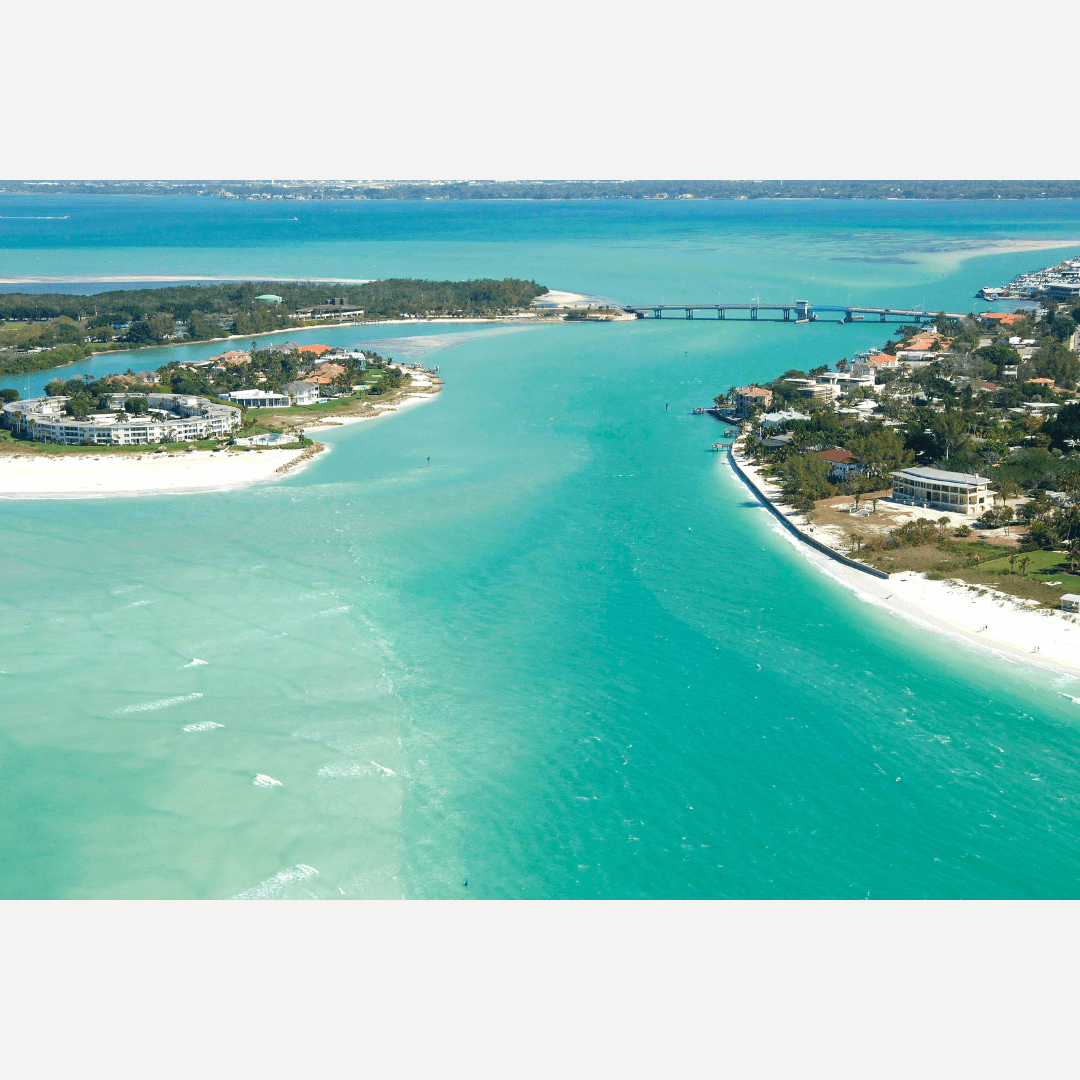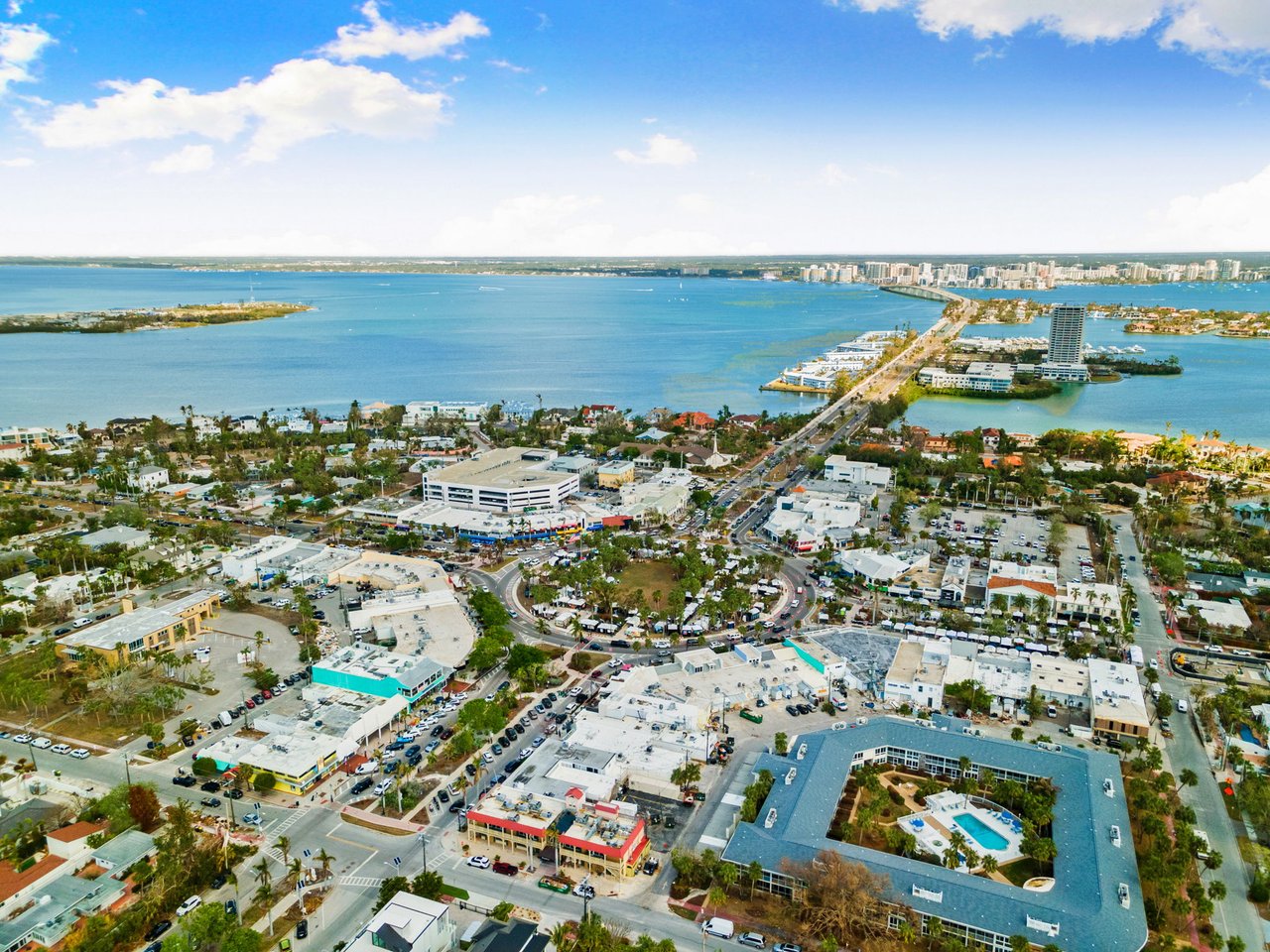

Drive out toward Cortez in the coming weeks and you will start to see it: barges tied up near the old Seafood Shack property, a staging yard where there used to be an empty waterfront lot, maybe a survey crew marking the shoulder along Cortez Road. After years of design phases, funding delays, and moved dates, construction on the new Cortez Bridge is finally set to begin this month.
It is also, for now, almost invisible to your commute.
That is not an accident, and it is not the story most people on the island are telling themselves this fall. The bridge everyone has been watching for years is finally moving. The thing that will actually change how you park near your own house is moving faster, and it is happening at a folding table inside The Center of Anna Maria, not at the water's edge.
What's Starting, and What Isn't Changing Yet
The Cortez Bridge replacement is a real project with a real price tag that has climbed as it moved from paper to construction. When Manatee County and the Florida Department of Transportation first detailed the plan in early 2025, the estimate for the new span sat around $77 million. By the time bids went out this year, reporting on the project put the total closer to $123 to $130 million. That is not a rounding error. It is what four years of design refinement, materials costs, and a more ambitious 65-foot fixed span do to a construction budget.
What the bridge replaces is a 17-foot bascule drawbridge built in 1956, the kind that has to physically open for taller boat traffic on the Intracoastal Waterway, backing up cars on State Road 684 every time a sailboat needs to pass. The new bridge eliminates the drawbridge entirely. No bridgetender, no scheduled openings, no cars stacking up on Cortez Road while a mast clears the channel.
Here is the part that matters for your daily life right now: FDOT is building the new bridge in two phases specifically so the existing drawbridge keeps operating through most of the process. Crews are constructing the northern half of the new span first, alongside the current bridge, along with a short connector road called Hunter's Point Way linking 127th Street West to Cortez Road on the mainland side. Only after that northern portion is finished will traffic shift onto it, and only then will the old 1956 bridge come down to make room for the second half. FDOT's own timeline puts that second major shift, the one that will actually feel disruptive, around mid-2028.
Anna Maria Island has three ways on and off: Cortez Road, Manatee Avenue, and Gulf Drive over Longboat Pass. County and state officials have deliberately staggered these projects so only one major bridge is under construction at a time. The Manatee Avenue bridge replacement is still years out, with funding not slated until fiscal year 2029. So for the next year and a half or so, you have the same three routes you have always had, and the visible construction at Cortez is background noise rather than a detour.
The Study That Moved Faster Than Anyone Expected
While the bridge project has been public knowledge for years, the parking overhaul is new, and it is on a much tighter clock.
The city hired transportation firm WSP in April to study Anna Maria's parking situation, and senior planner Christine Fanchi presented the results to the mayor and city commission on August 11. The city's public input meeting on the plan is set for today, August 31, at The Center of Anna Maria, 407 Magnolia Avenue.
The numbers Fanchi laid out explain why this got attention fast. The city has 4,460 parking spaces open to the public plus another 113 in private lots, a total of 4,573. Of the public spaces, about 3,309 are on-street spots that carry no signage at all right now. They are not marked paid, not marked permit, not marked no-parking. They are simply open, first come, first served, to anyone, resident or day-tripper.
The WSP plan would change that. Here is what it proposes against what exists today.
| Today | Proposed | |
|---|---|---|
| Total public parking spaces | 4,573 | 4,043 (a 9 percent cut) |
| Unsigned, unregulated on-street spots | 3,309 | 0, all zoned as paid, permit, or no-parking |
| Paid spaces | 0 | 1,119 (28 percent of the public total) |
| Hourly rate | Free | An estimated $4.50, plus a $0.65 transaction fee |
| Resident permit | Does not exist | Free, grants access to all zones |
| Earliest possible rollout | None set | March 2027 |
That March 2027 date is deliberate. Fanchi's presentation targets implementation before next spring's tourist season, which the city considers its peak parking pressure window. If the commission moves forward on the current timeline, this changes your street before the Cortez Bridge reaches its more disruptive construction phase.
The projected revenue is substantial for a city this size. Fanchi estimated the paid parking program could generate roughly $25,000 a day and close to $11 million a year, prompting Mayor Mark Short to respond simply, "Wow," according to reporting on the meeting. Rolling out the signage and zone markers for the plan would cost the city an estimated $292,000, a fraction of what the program could bring in during its first year alone.
Why the City Is Moving on This Now
Parking complaints are not new on Anna Maria Island, but city officials have pointed to a specific reason this is surfacing now rather than in some future budget cycle. Manatee County is separately considering paid parking at Manatee Public Beach and Coquina Beach, the county-run beaches that draw heavy day-trip traffic. If the county starts charging at those beaches, city officials expect beachgoers to look for free parking elsewhere, and Anna Maria's unregulated 3,309 spots are the obvious overflow. Officials framed the city's own paid parking proposal partly as a way to get ahead of that spillover rather than absorb it after the fact.
Mayor Short's own explanation for the resident permit piece gets at what actually bothers people who live here. Right now, someone who lives on the South Bay side of the island who wants to drive to the Gulf side for sunset is competing for a parking spot with anyone else on the island, resident or visitor, because every unsigned space is open to all. A resident permit would not guarantee a spot, but it would mean residents are not shut out entirely on the busiest days.
That framing has not settled the debate. At a follow-up meeting in mid-August, one resident, a church member identified as Moss, said the church was "still listening" but flatly opposed the plan if it disadvantaged their immediate neighbors. Resident Tyler Brewer pushed for more direct resident input on the process. The plan currently includes a proposed partnership with Roser Memorial Community Church and CrossPointe Fellowship to use their lots for additional public parking, which is likely part of what prompted the church's public response.
Nothing here is finalized. City officials have been explicit that the parking maps and rate structure are a draft, not a decision. But the process is moving on a real calendar, with a real vendor already lined up. The city already contracts with Passport Parking to handle citations, and WSP has recommended Passport as the vendor for the new paid and permit programs, meaning the infrastructure to launch quickly already half exists.
What to Actually Watch This Fall
If you live on Anna Maria Island, the honest answer to "what's changing" is this: the bridge construction you can see is the slower-moving story, and the parking rules you can't see yet are the faster one.
Through the rest of this year, expect the Cortez Bridge work to stay largely contained to the mainland-side staging area near Cortez and the northern construction zone, with your daily commute across the existing drawbridge unaffected. That changes eventually, but not this fall and likely not next spring either.
The parking plan is a different clock. Watch for the outcome of today's input session and whatever the commission does with it over the next few months. If the timeline holds, you could be looking at permit applications through Passport's portal by late 2026 or early 2027, with paid zones live by that March 2027 tourist season target. Longtime business owners in Cortez, including people like Star Fish Company's James Gowett, who has worked the fishing village for 25 years, are watching the bridge project for how it affects customer access. Residents closer to the island's interior streets are more likely to feel the parking changes first, in the form of a permit sticker or a $4.50 hourly rate where there used to be nothing.
Both projects are worth following. Only one of them is likely to change what happens the next time you look for a spot near Bayfront Park.
If you are thinking about what any of this means for property here, on Anna Maria or elsewhere along Sarasota's barrier islands, The Real Schafers know this market from the ground up. Tell us your story.