
Wait long enough at Blackburn Point Bridge and you will watch the whole ritual play out. A boat signals for passage, the single-lane span begins to turn on its century-old pivot, and the cars back up toward Casey Key Fish House while the bridge tender walks out to the middle of the steel truss to swing it clear. It has worked this way since 1926. Cross it enough times and you stop noticing the wait. You just know the rhythm.
That rhythm is now the subject of a formal federal review, and Sarasota County's Board of Commissioners is expected to weigh in this November on whether Blackburn Point Bridge gets repaired, rebuilt, or replaced outright. Three public meetings have already happened. A petition has circulated. Painters have set up easels on the Casey Key side just to capture the bridge before anything changes. Most of that public energy has been framed as a fight between history and progress. The county's own engineers describe something narrower and less romantic: a permitting problem that may decide the outcome no matter what residents prefer.
Why One Bridge Carries So Much Weight
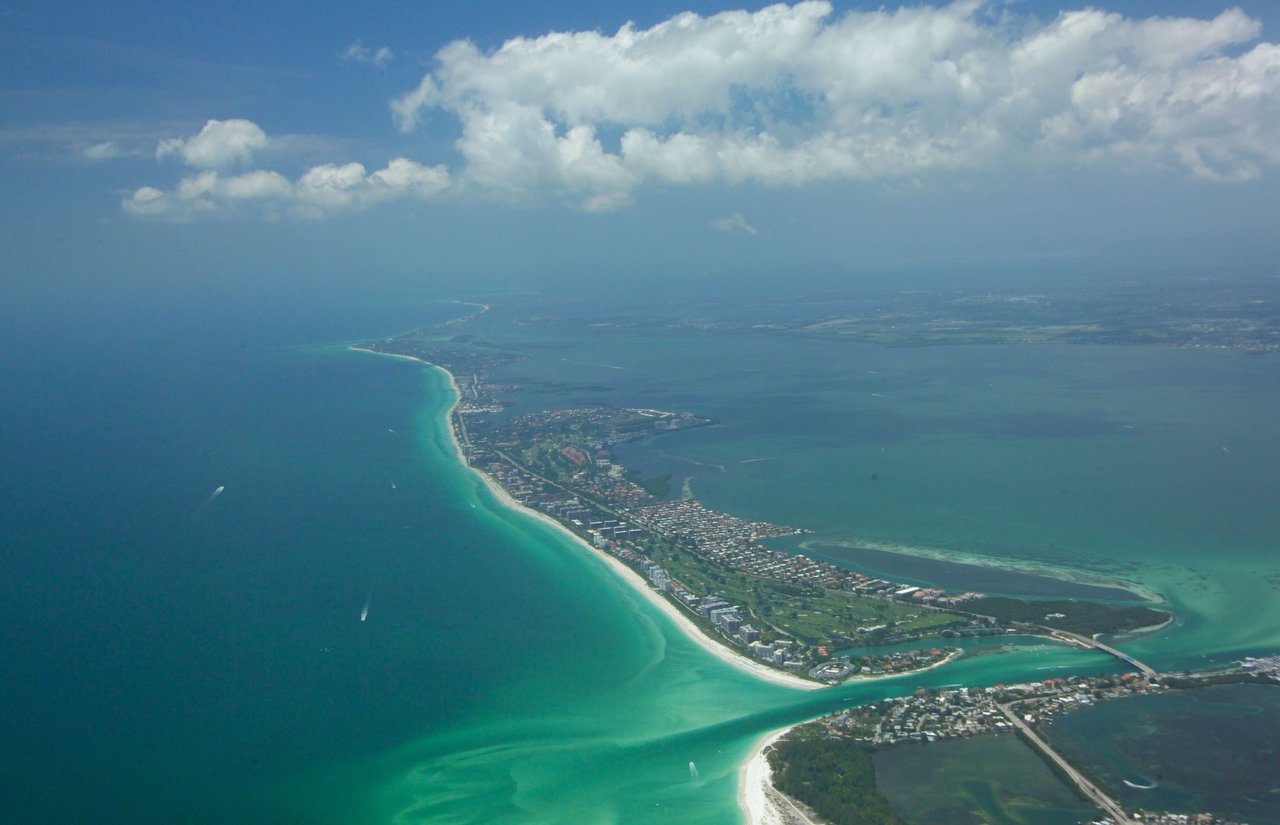
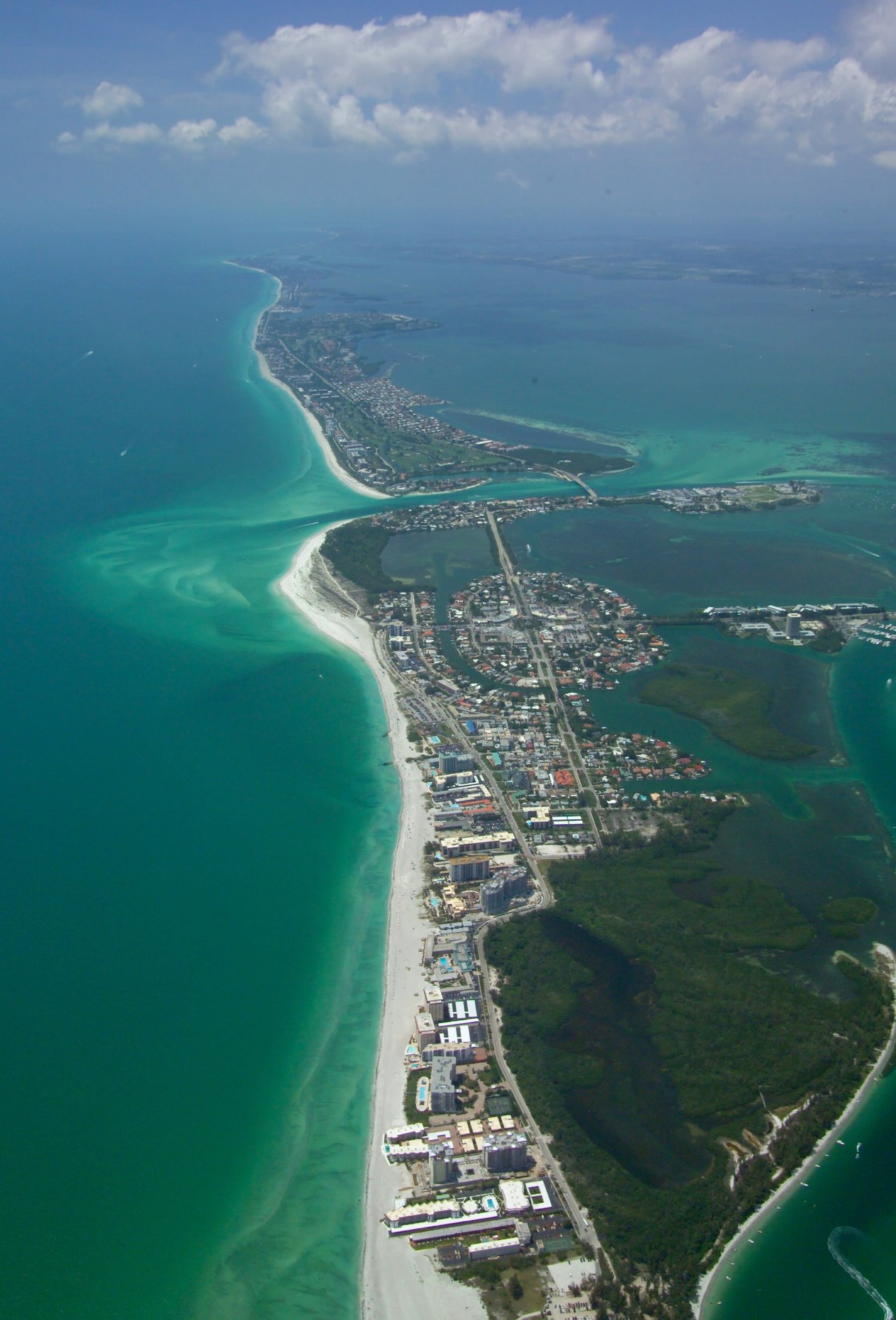
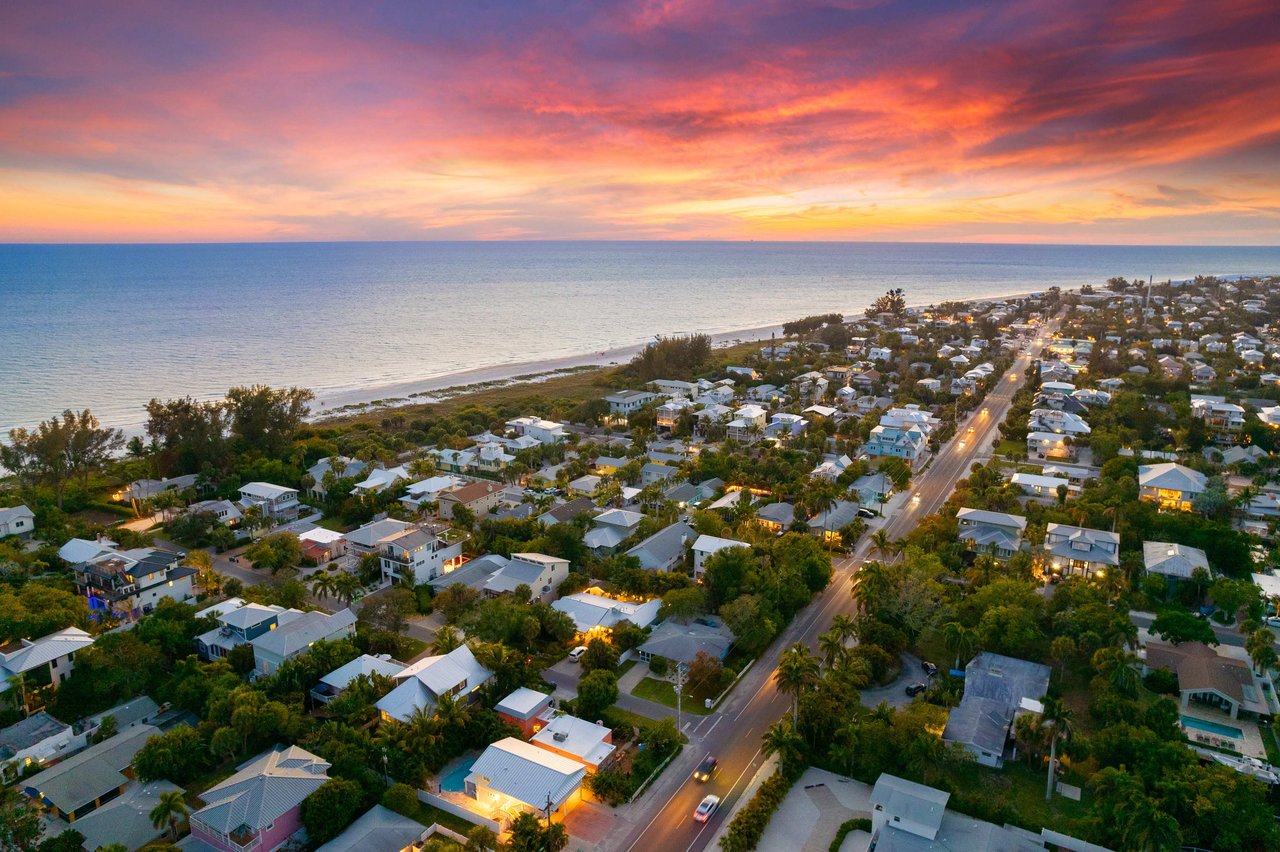
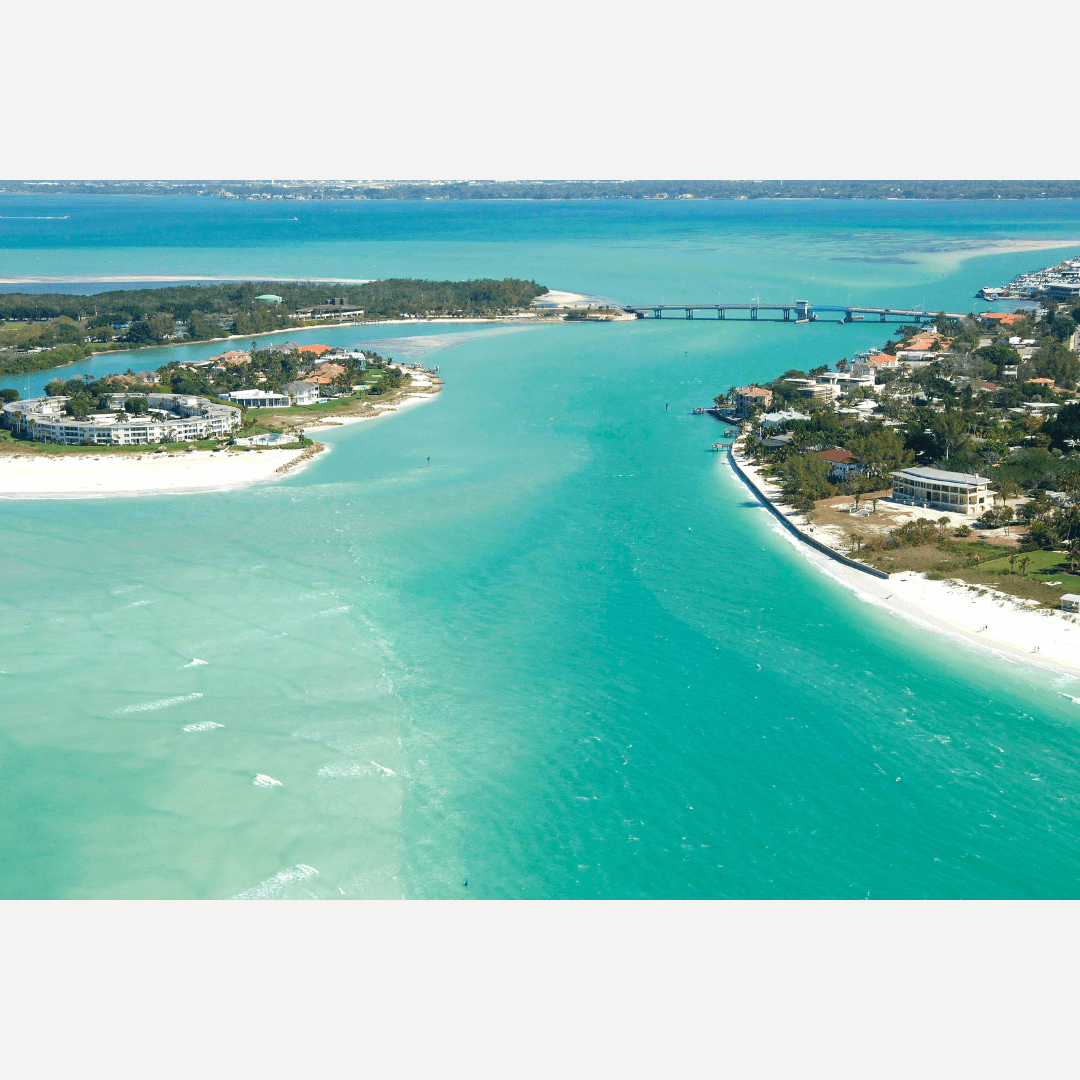
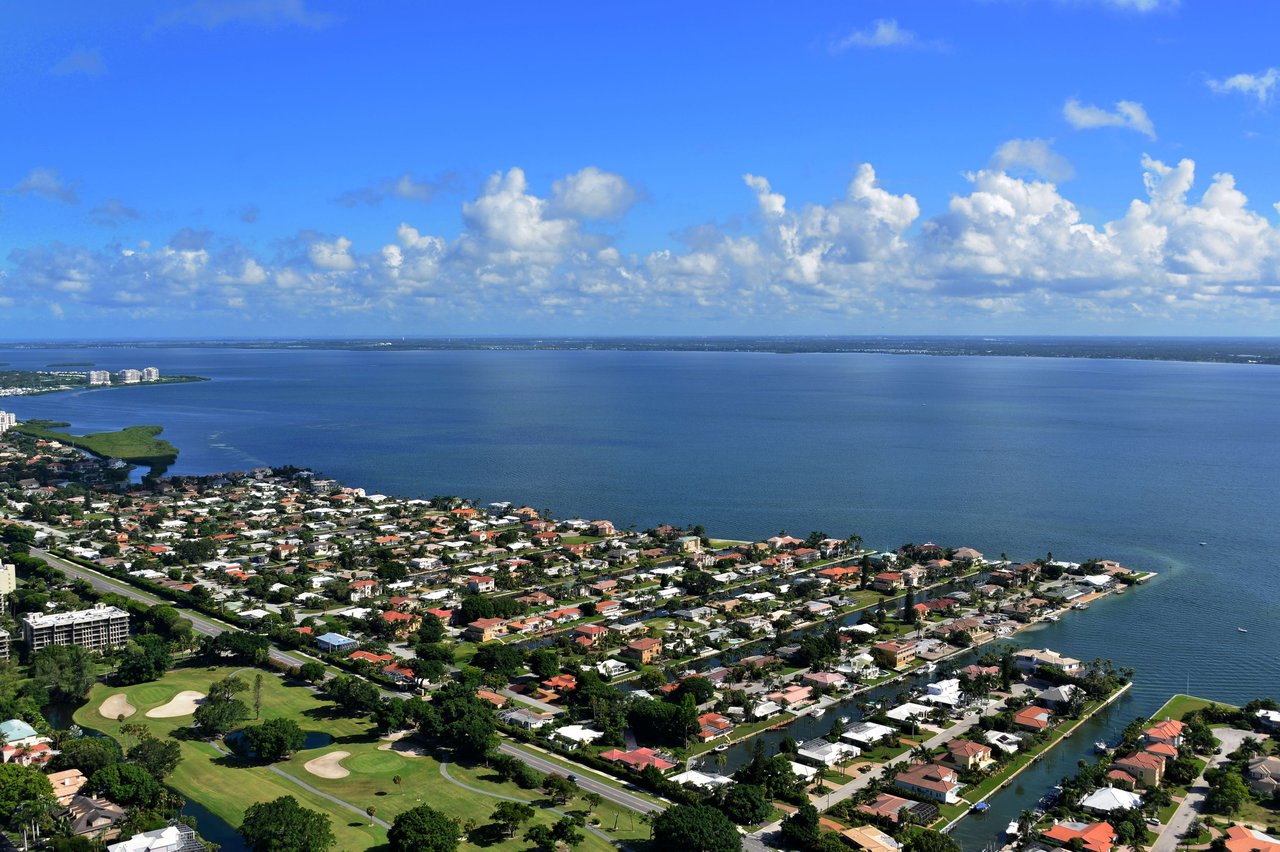
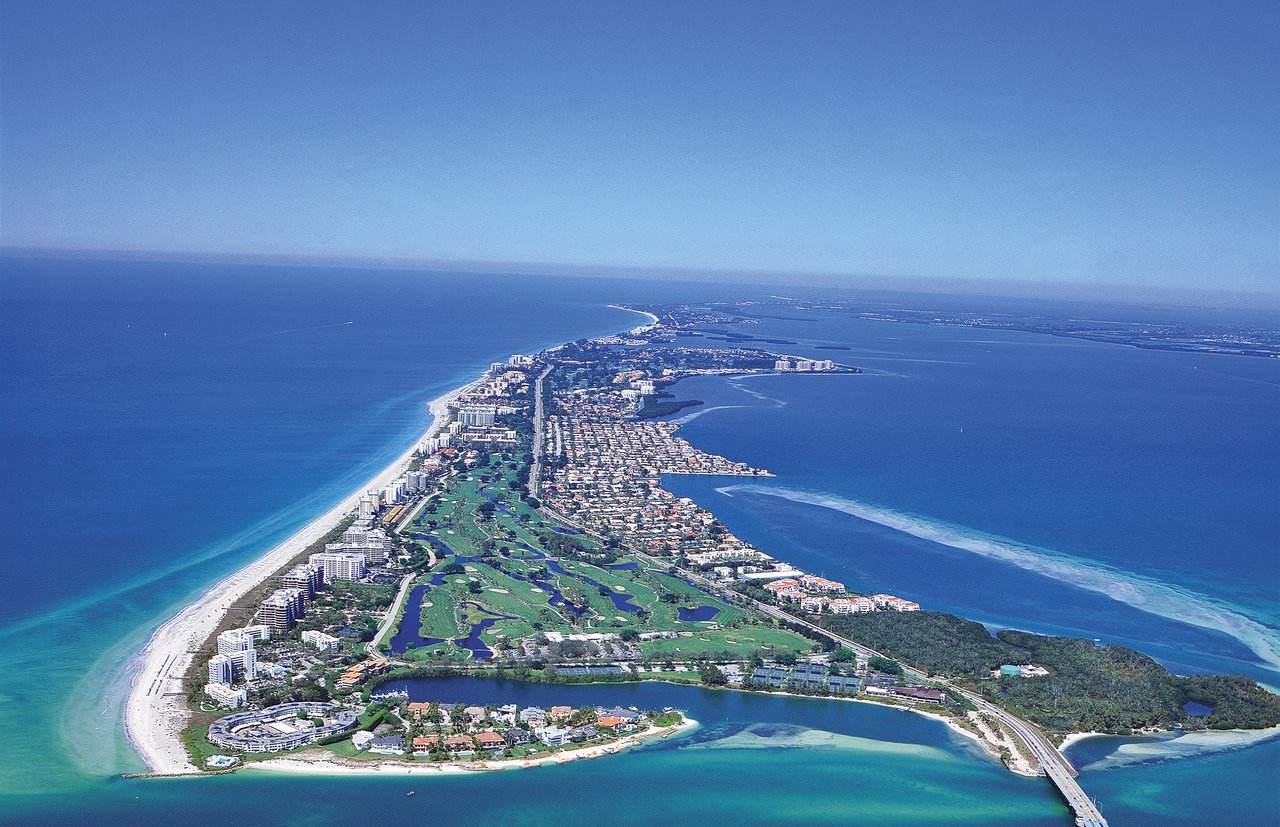
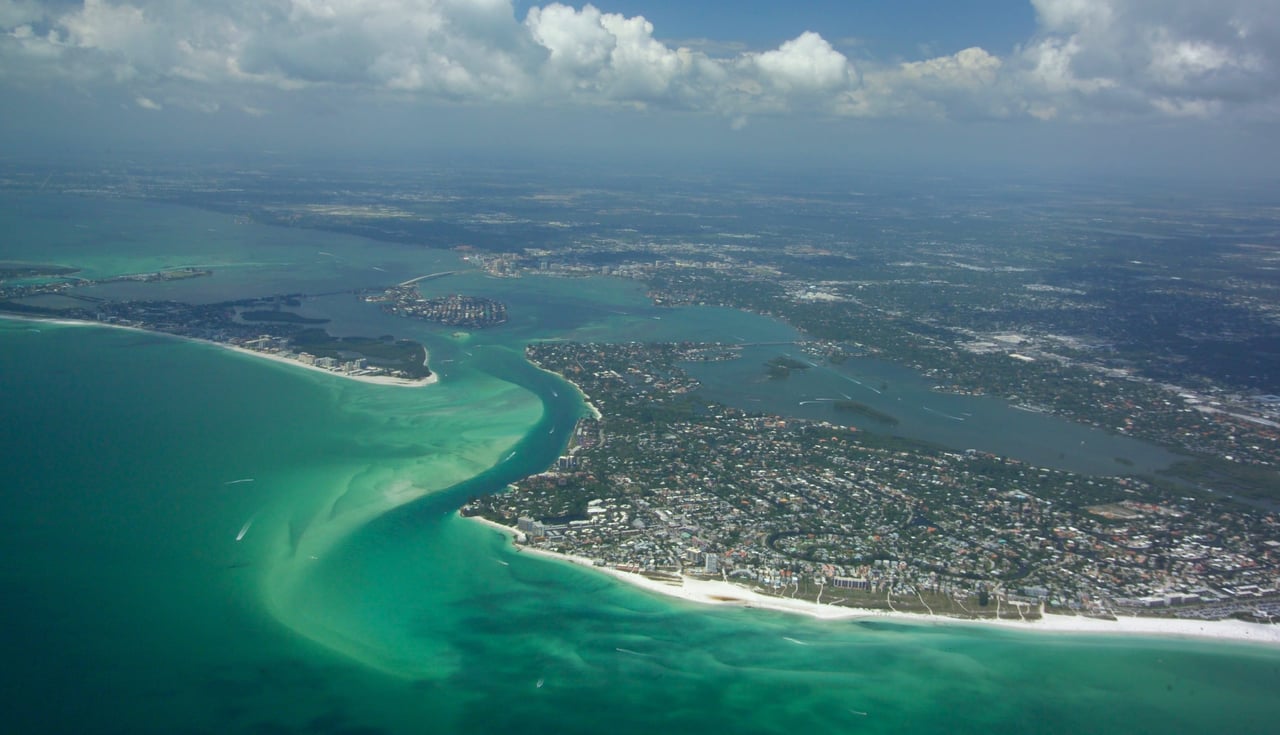
Blackburn Point Road is the northern of Casey Key's two connections to the mainland, linking the island to US 41 through Osprey. The other crossing sits at Albee Road, farther south. If Blackburn Point were ever out of service, the detour around to Albee Road runs 10.5 miles, according to the county's traffic consultant. County officials have also flagged the bridge's narrow width as a concern for hurricane evacuations, since a single stalled vehicle can block the only lane.
The cluster of civic life at this crossing is small but dense. Blackburn Point Park sits right at the bridge. So does the Casey Key Library. So does Casey Key Fish House, where boats tie up at Marker 32 for lunch and the tiki bar runs live music Friday through Sunday afternoons. County engineers have said publicly that keeping these businesses and the library in place is a goal of whatever design gets chosen, though nothing is finalized while the study is still open.
The Math Behind the Argument
The numbers circulating around this project are worth separating from the rhetoric.
| What's on the table | What we actually know |
|---|---|
| Keep the current swing bridge | Estimated at $31 million to renovate, and county engineers say that buys roughly another decade of service |
| Design a replacement | The design phase alone could take up to three years, before any construction begins |
| The study itself | Sarasota County has a $2 million contract with Hardesty & Hanover to complete the evaluation |
| Recent stopgap repairs | The county has spent just over $200,000 in the last four years keeping the current bridge running |
The bridge was engineered for a 50-year service life. It will turn 100 this December, meaning it has already run double its intended lifespan. A 7.5-horsepower motor added in the 1970s still does the swinging.
The Reason "Just Fix It" May Not Be Simple
Ask county engineers why repair isn't a clean option and the answer has less to do with steel fatigue than with a federal agency. James Stock, the county's transportation structures engineer, has described the U.S. Coast Guard's position directly: "They just didn't want us doing any work unless we were going to widen the channel."
The bridge's current vertical clearance is 9 feet, with a horizontal clearance of 51 feet, roughly half of what the Coast Guard recommends for a waterway this active. That mismatch means any major structural work triggers a federal review that could require widening the channel regardless of what the county or its residents actually want. The "no-build" alternative is technically still part of the study, required as a baseline under the federal process, but it may not survive contact with the permitting requirement that sits underneath it.
This is the detail that gets lost in the "preserve it versus replace it" framing that dominates public meetings. The debate residents are having in the room is about character and cost. The debate happening at the federal level is about clearance measured in feet, and that one doesn't take public comment.
The Fix Residents Already Won
It's worth noting that this community has already changed how the bridge operates once, and it didn't require touching the structure at all. In 2025, the Casey Key Association petitioned the Coast Guard to adjust the bridge's opening schedule, aiming to ease weekday car congestion. The Coast Guard agreed. Since May 5, 2025, the bridge now opens on a fixed schedule during weekday daylight hours, on the hour, 20 minutes past, and 40 minutes past, rather than on demand for every boat that requests passage. Outside those hours, and on weekends, it still opens on demand.
That change addressed the traffic-timing complaint that used to dominate resident frustration. It also quietly removes one argument from the replacement case. If congestion timing was already fixable through a schedule change, the remaining justification for a bigger structure rests more heavily on the clearance and safety findings than on daily gridlock.
What Locals Are Doing With The Time They Have Left
The third public meeting, held June 11 at the Church of the Holy Spirit in Osprey, drew several dozen residents, and by most accounts the room still leaned toward preservation. Janet Steves of the Sarasota Alliance for Historic Preservation has continued making the case for restoration, pointing to the bridge's status as one of roughly a dozen swing bridges still operating in Florida and its 2001 listing on the National Register of Historic Places. Fellow preservation volunteer Tommye Whittaker has been candid about the tension in that position: "I want to protect and preserve the bridge, but I also don't want to waste money to renovate this bridge."
A Change.org petition calling for restoration over demolition gathered more than 500 signatures toward a goal of 1,000, with organizers planning to deliver it to the County Commission. In May, more than a dozen plein air artists gathered on the Casey Key side of the bridge to paint it in watercolor, oil, and acrylic, and used the occasion to collect more signatures from passersby. It's the kind of scene that only makes sense in a place small enough that a bridge can double as a rallying point and a subject for art in the same afternoon.
What To Watch This Fall
The County Commission's decision is expected in November, after the PD&E study wraps. Between now and then, residents can weigh in through the project's public comment channels, either through the county's project webpage, by emailing the county's project manager at [email protected], or by calling 311 (941-861-5000 from outside the county). This is the last real window before commissioners choose a direction, and unlike the schedule change the Casey Key Association won in 2025, this decision touches the physical structure itself.
Whatever residents ultimately feel about steel trusses and Old Florida charm, the vote this fall may turn less on nostalgia and more on a number most people crossing that bridge have never thought to ask about: how many feet of clearance a swing bridge built for a Model T actually leaves for the boats sharing the water with it now.
The Real Schafers keep a close watch on the developments that shape daily life across Sarasota's barrier islands, from Bird Key's clubhouse to Casey Key's only northern crossing. If you live here and want to talk through what's ahead for the island, tell us your story.