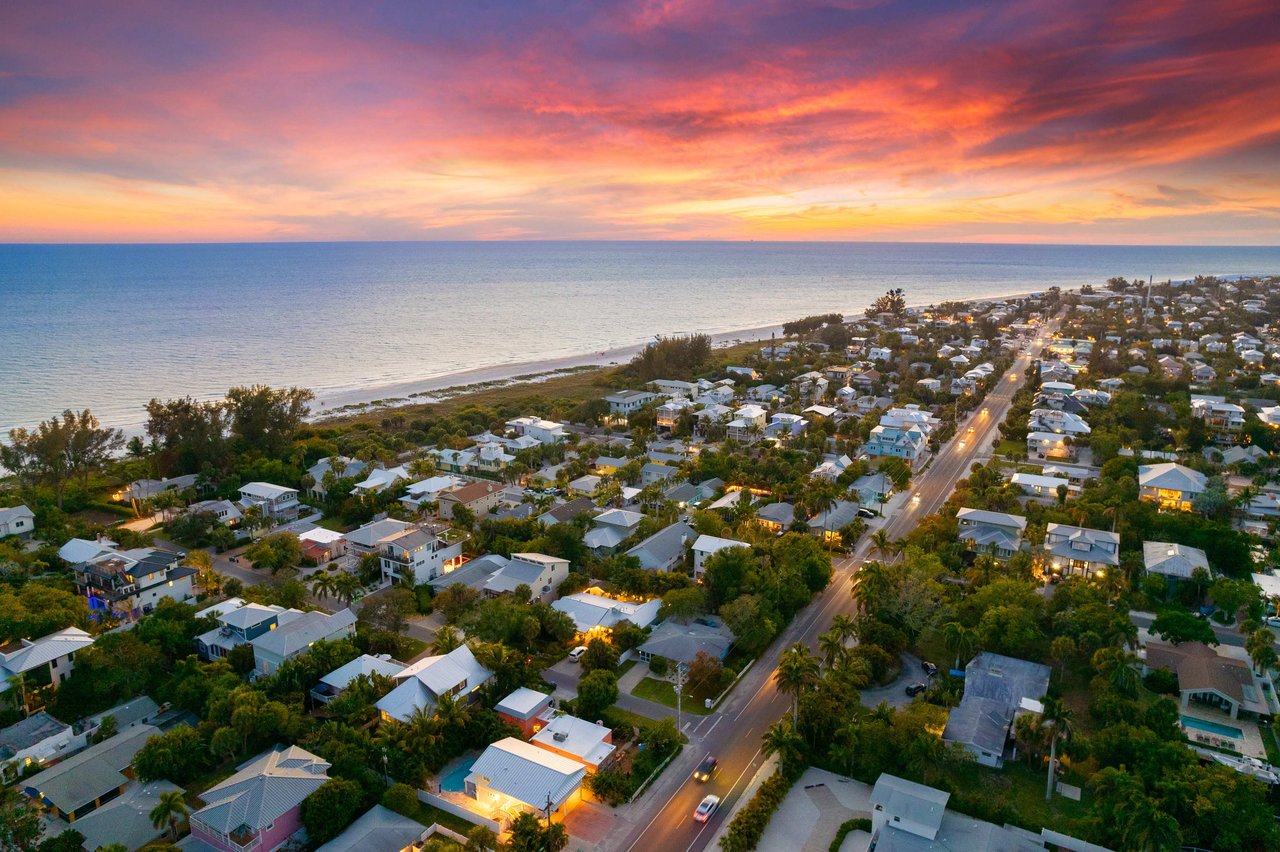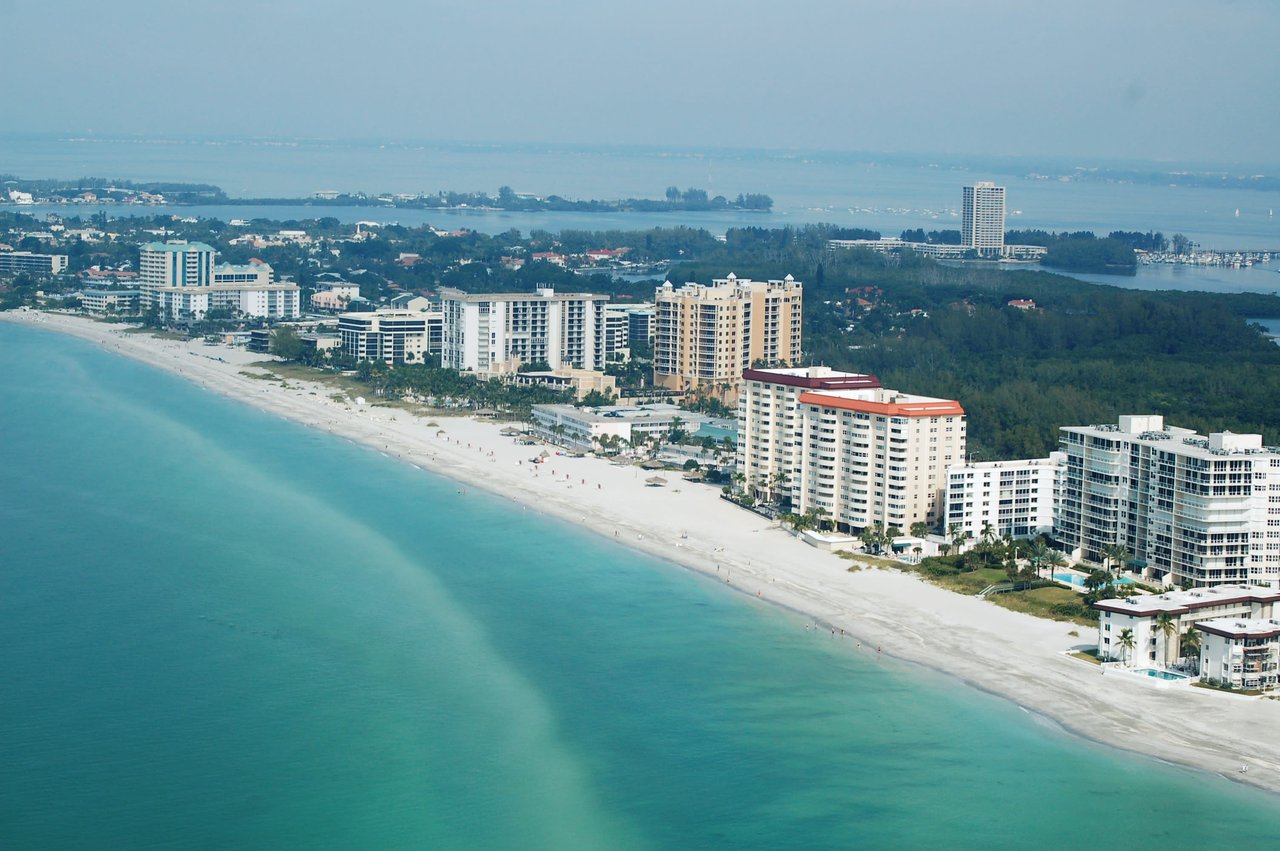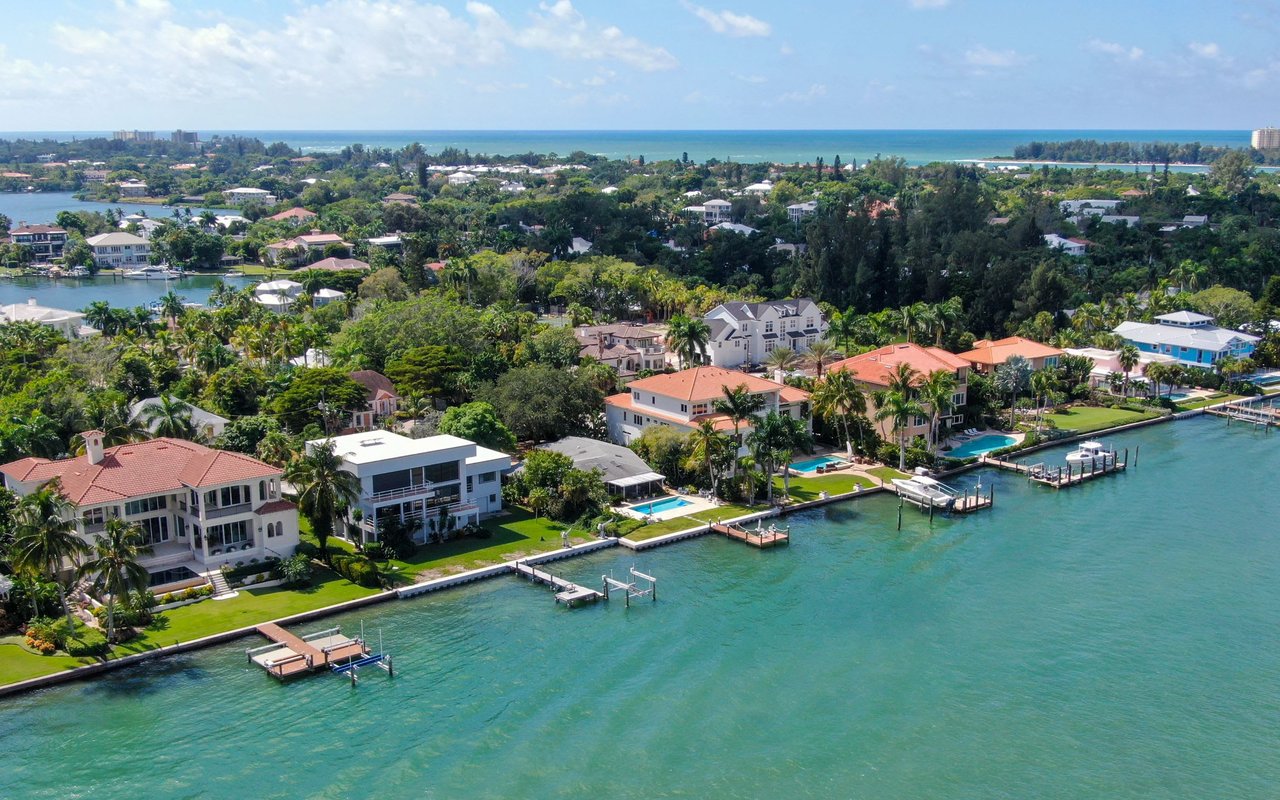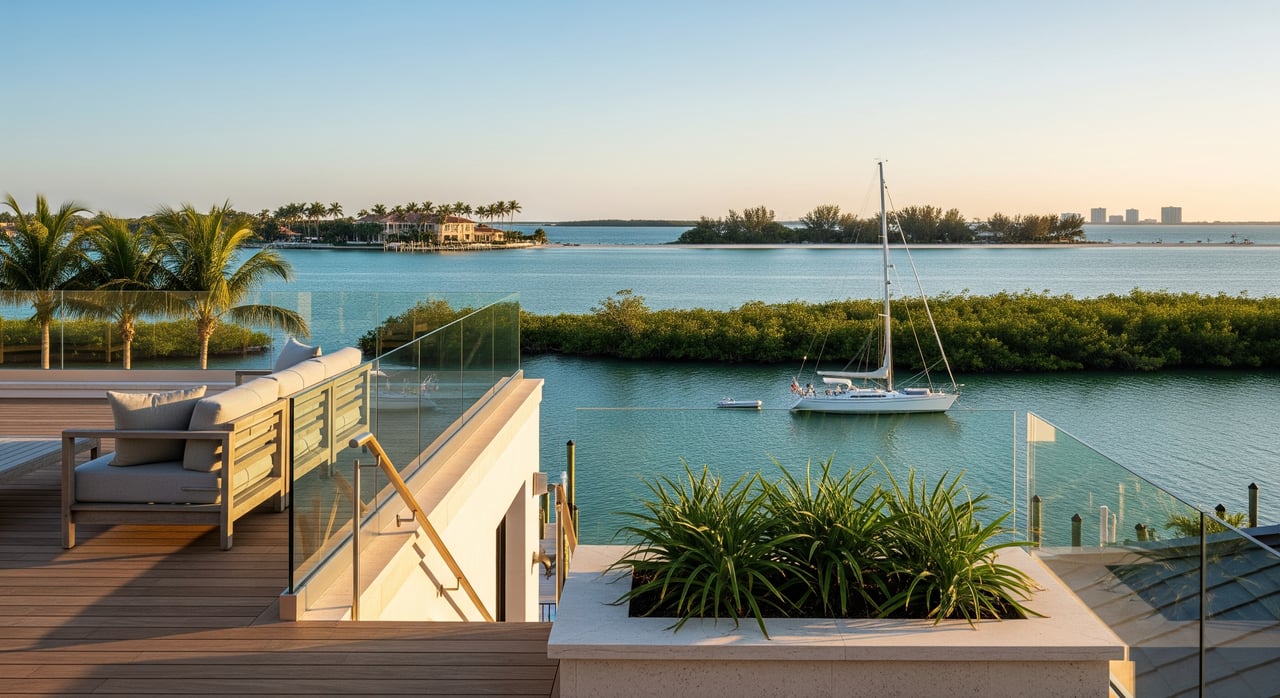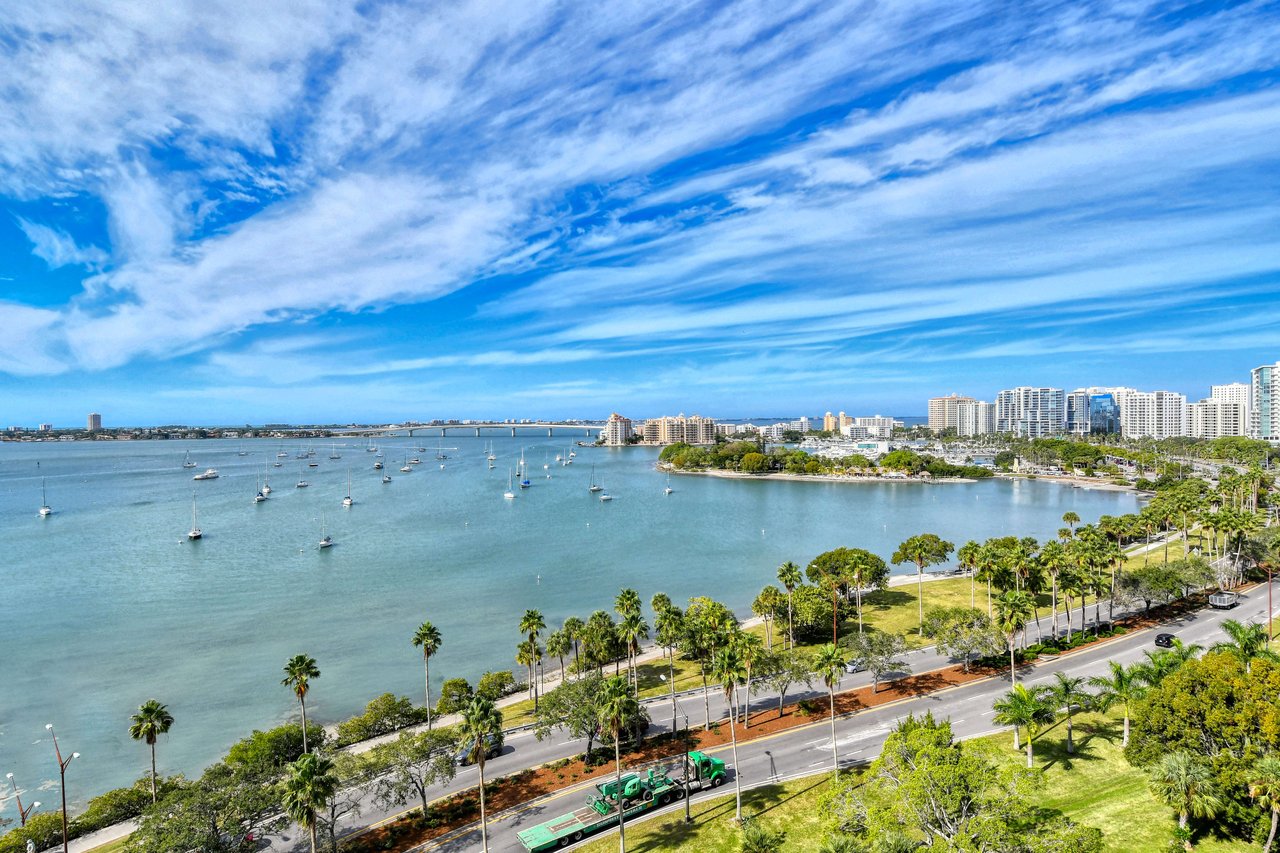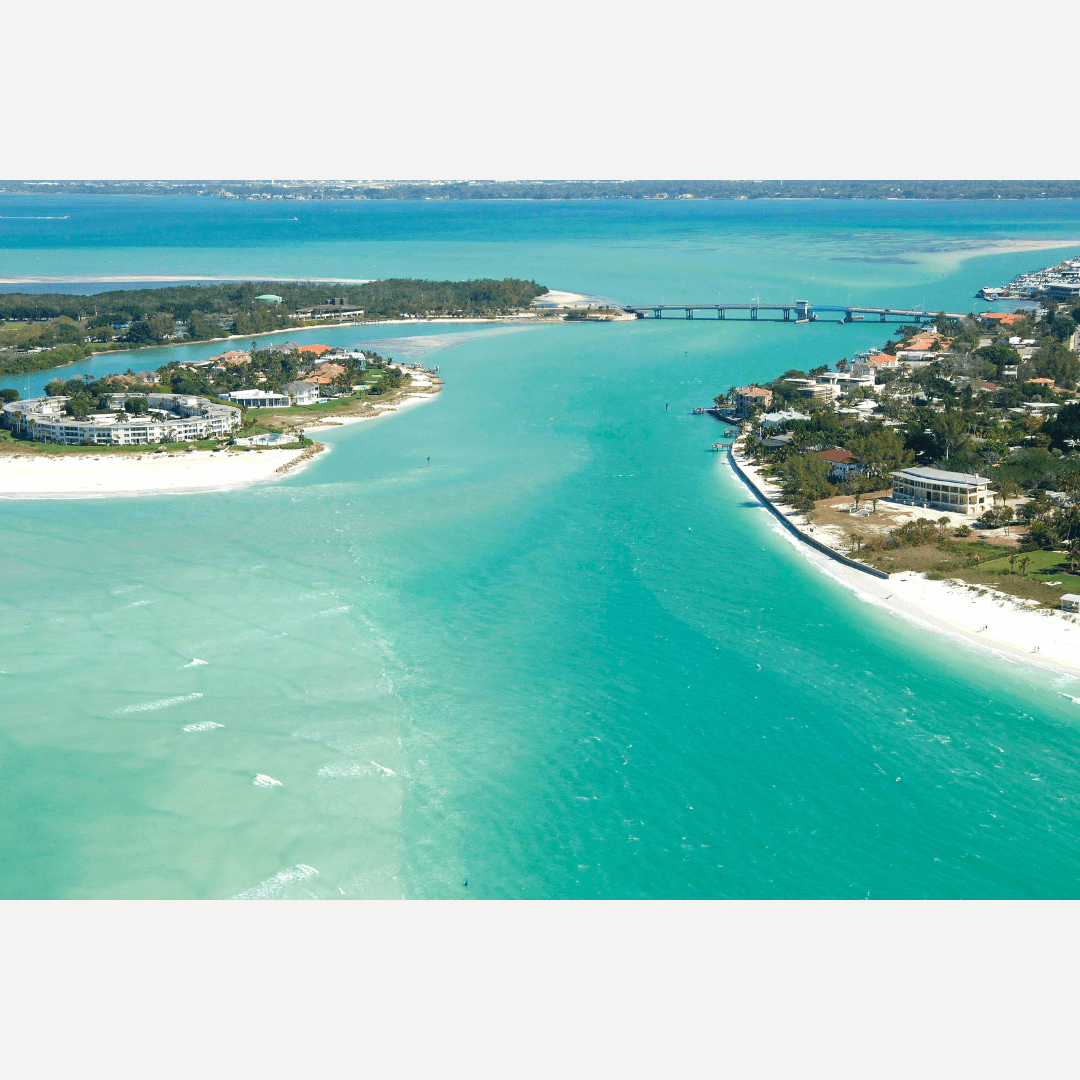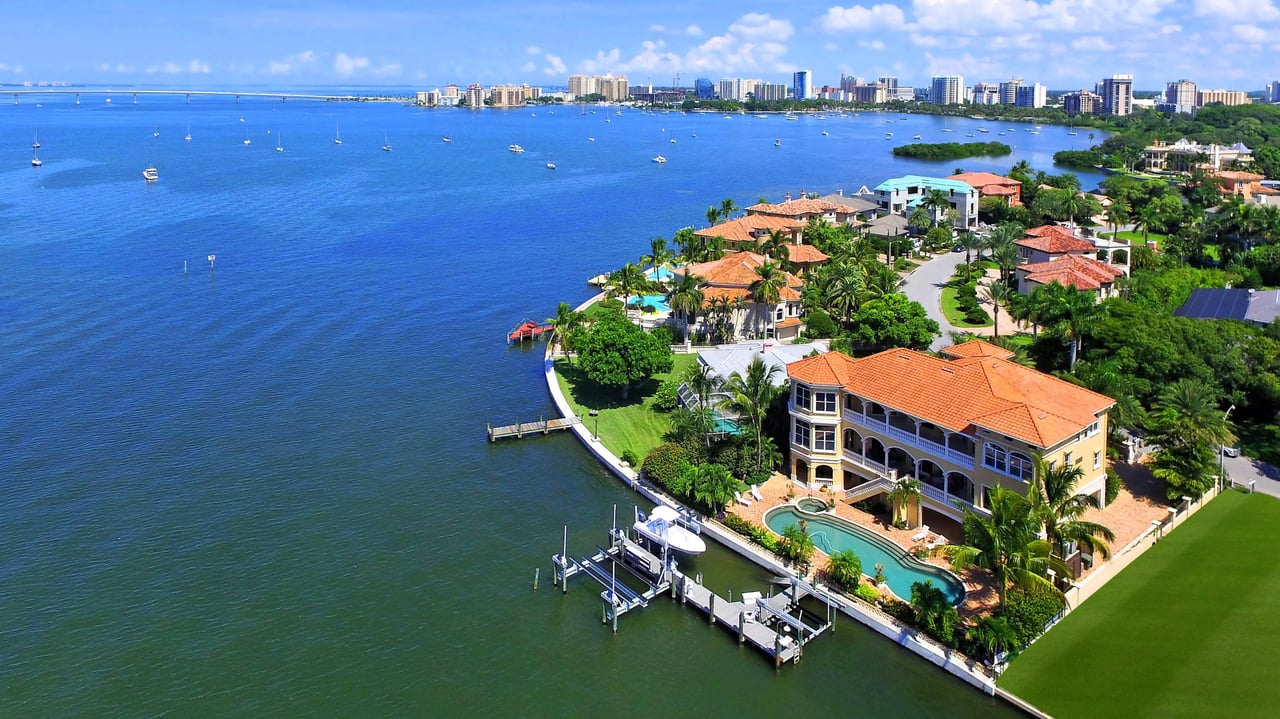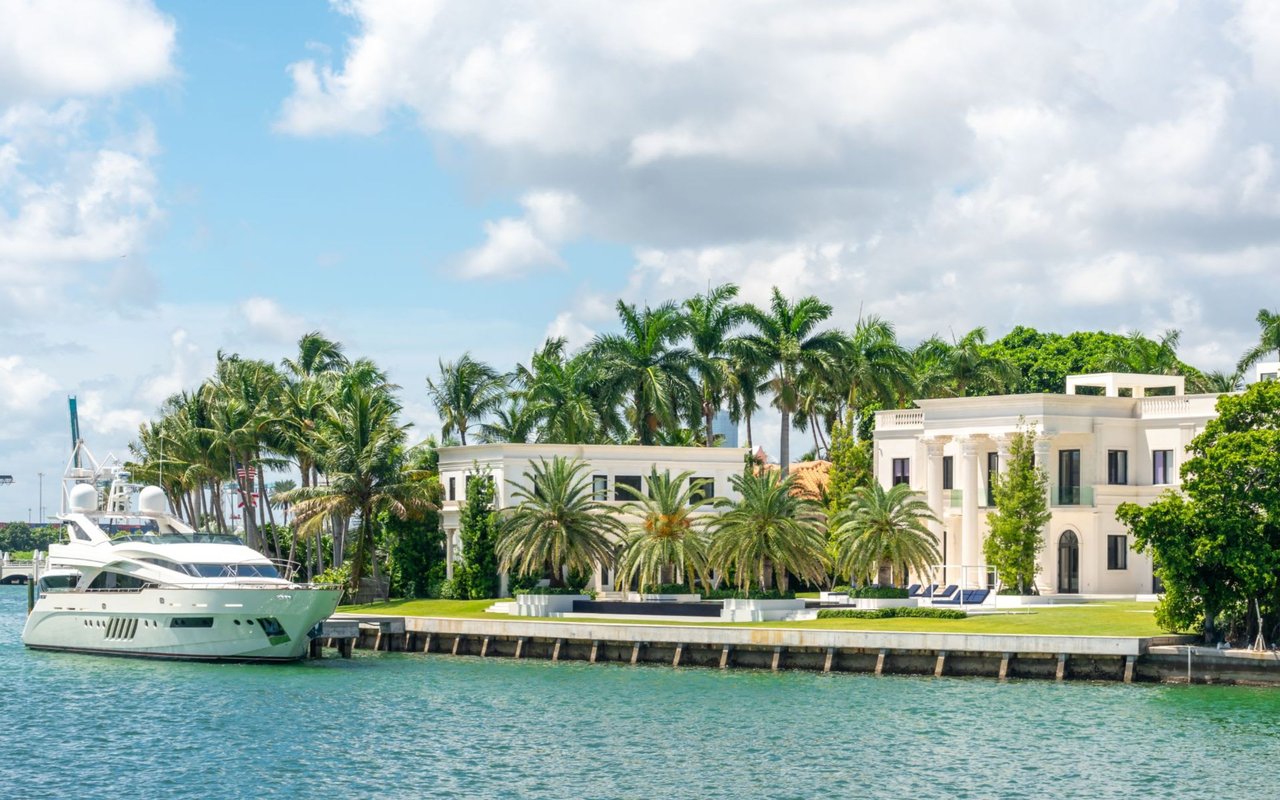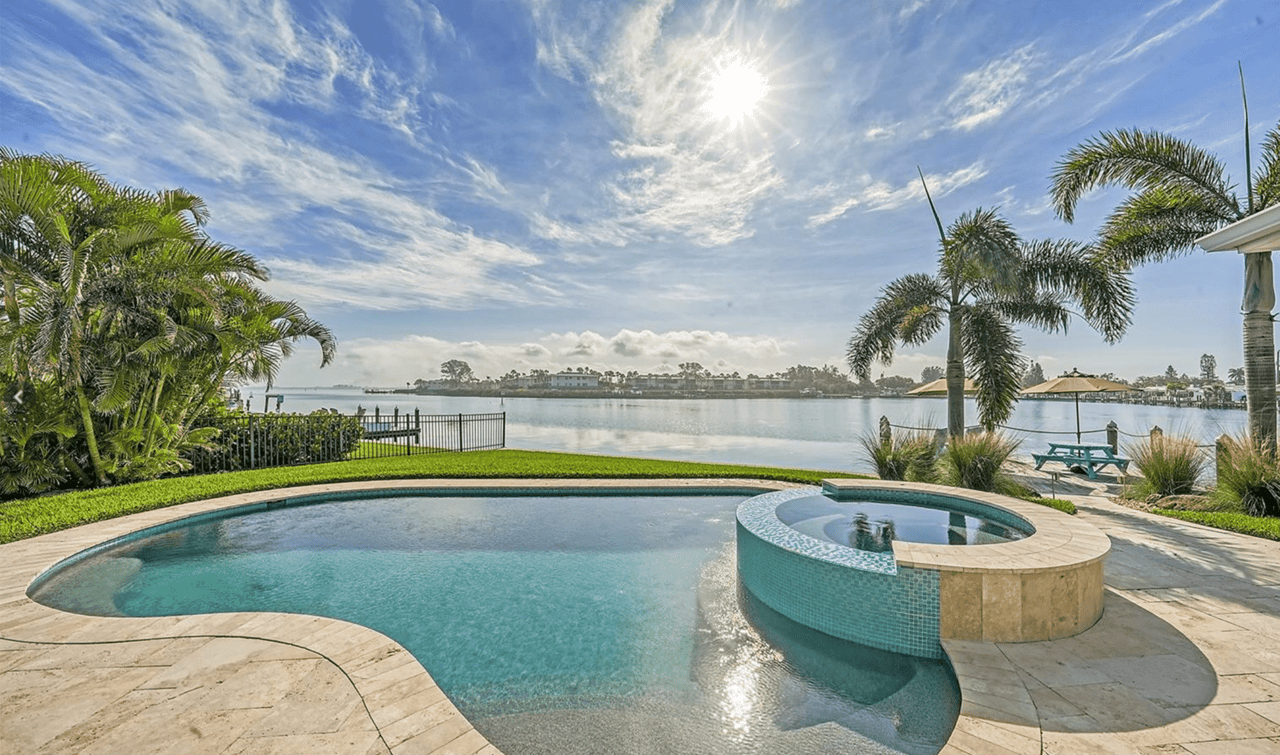

Two homes on Longboat Key can share the same view of Sarasota Bay, the same dock depth, and nearly the same square footage, and still land on tax bills that differ by thousands of dollars a year. The difference has nothing to do with the house. It has to do with a line that runs across the island near the top of the Bay Isles and Longboat Key Club corridor, a line you cannot see from the street, the beach, or the water. South of it, you are a Sarasota County property. North of it, you are a Manatee County property. That single fact touches your millage rate, which building department reviews your renovation permit, whose flood maps govern your elevation certificate, and, this year in particular, how exposed your tax bill is to the next hurricane season.
Most guides to Longboat Key mention the county split as a footnote. It deserves more than that, because the gap between the two sides is not fixed. It moves, sometimes by a lot, year to year. Understanding why is more useful to a buyer than knowing which side is currently cheaper.
Where the line actually falls
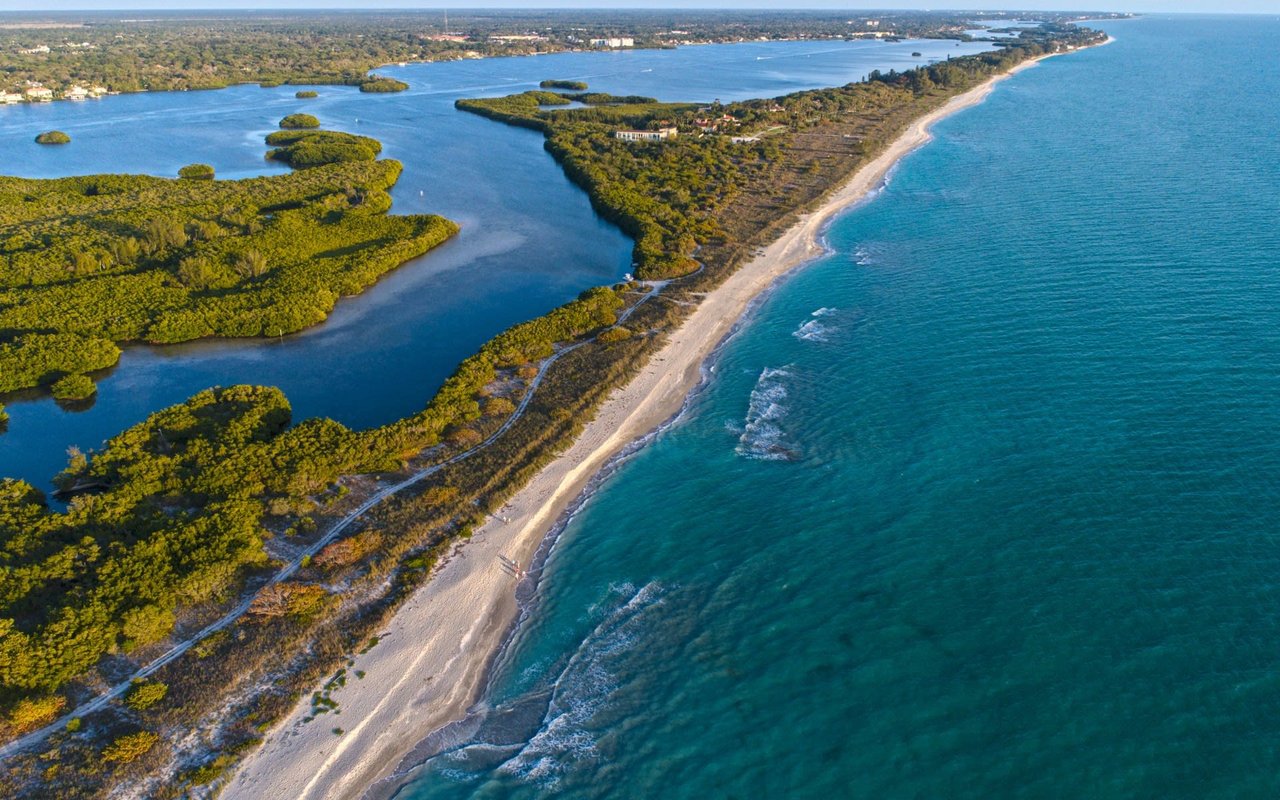
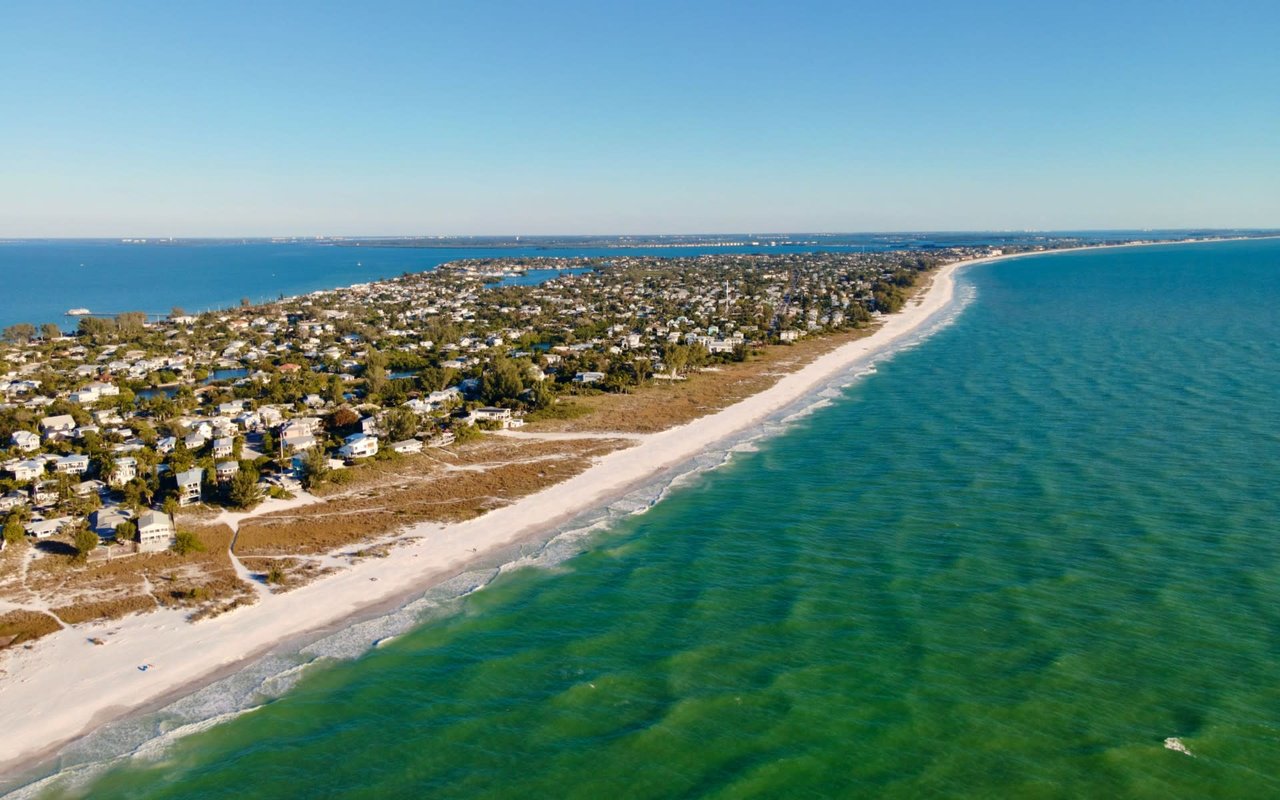
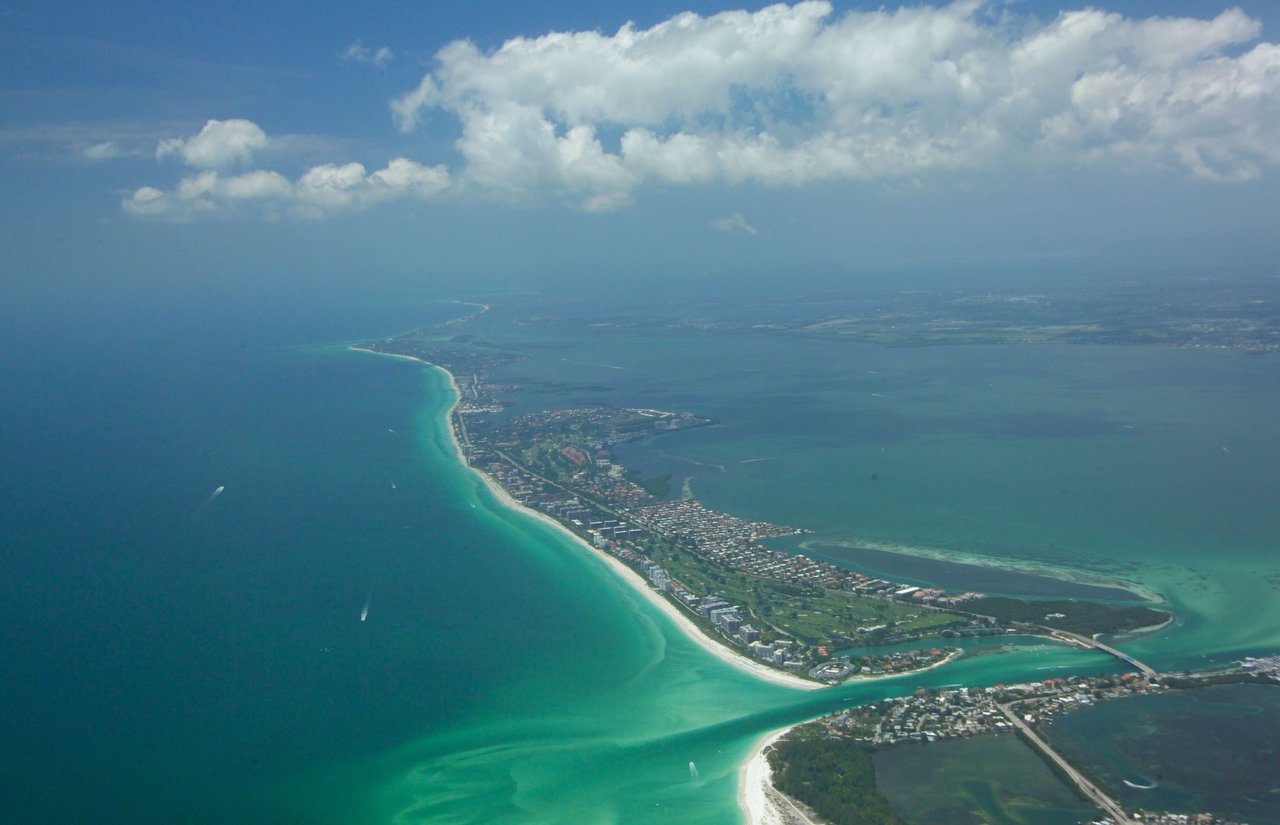
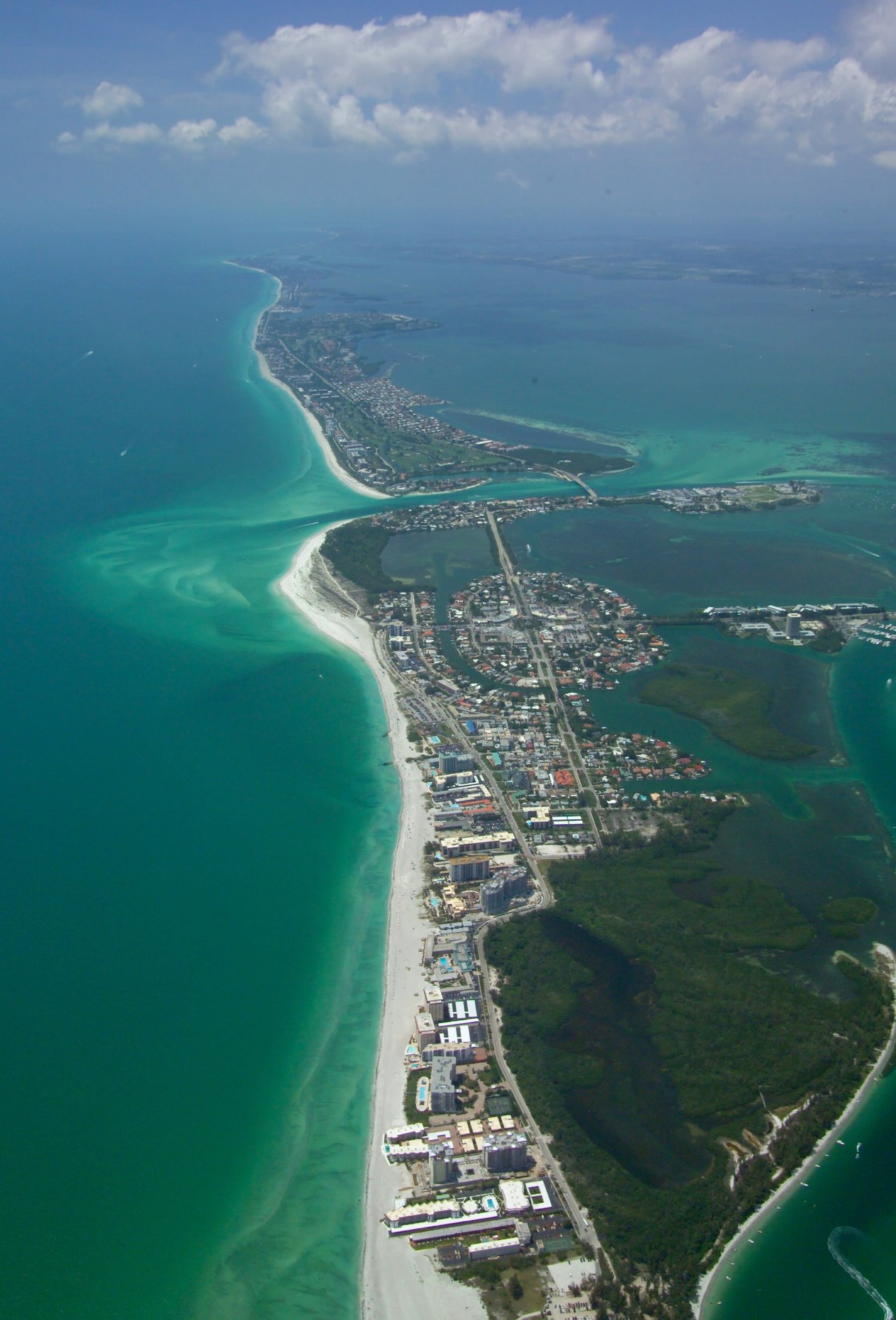
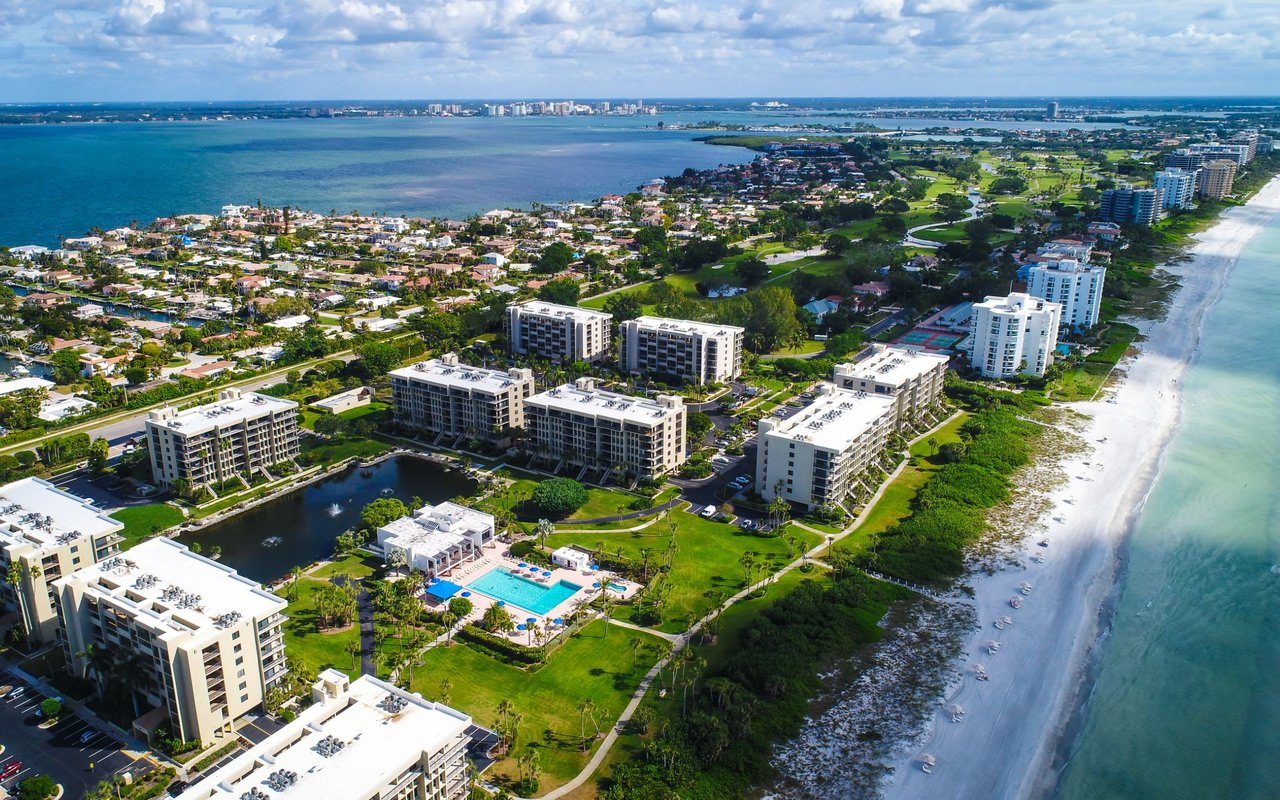
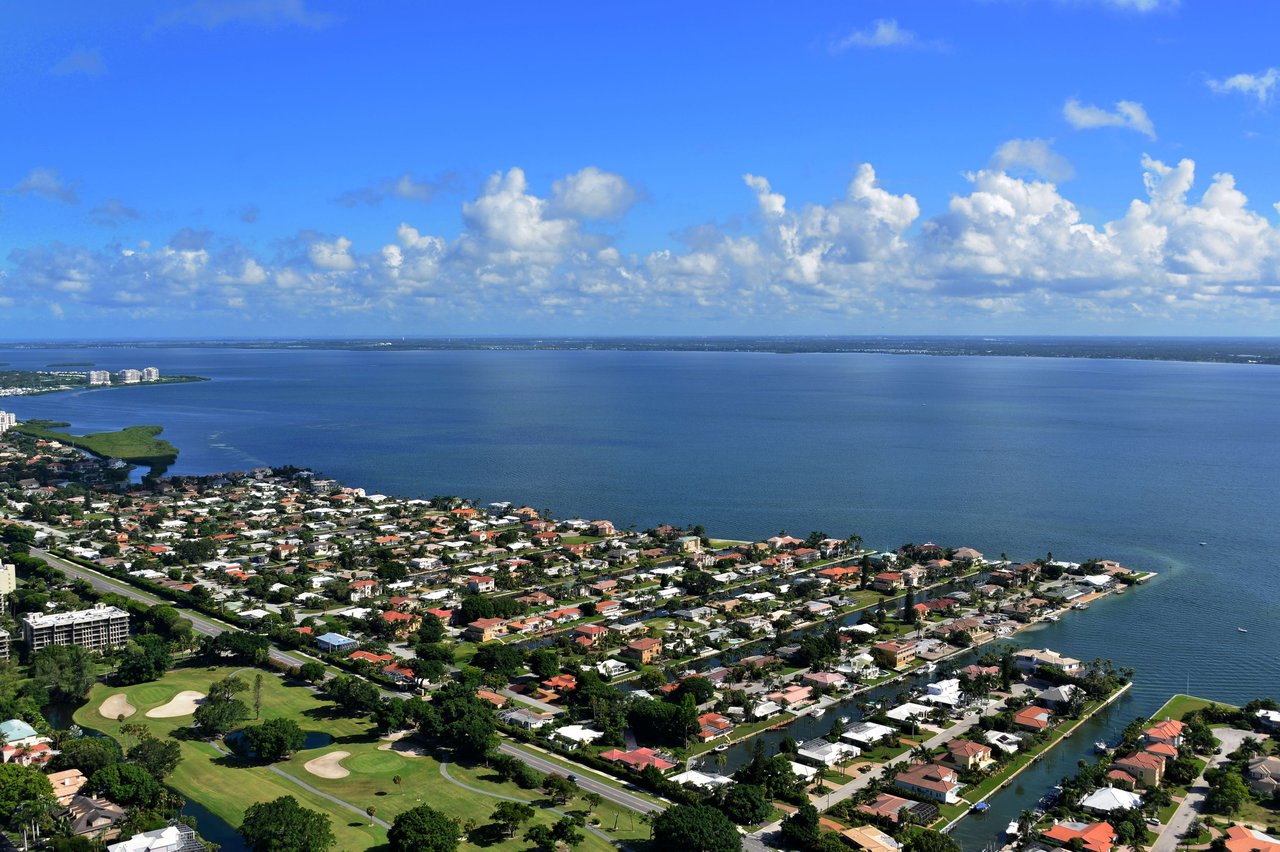
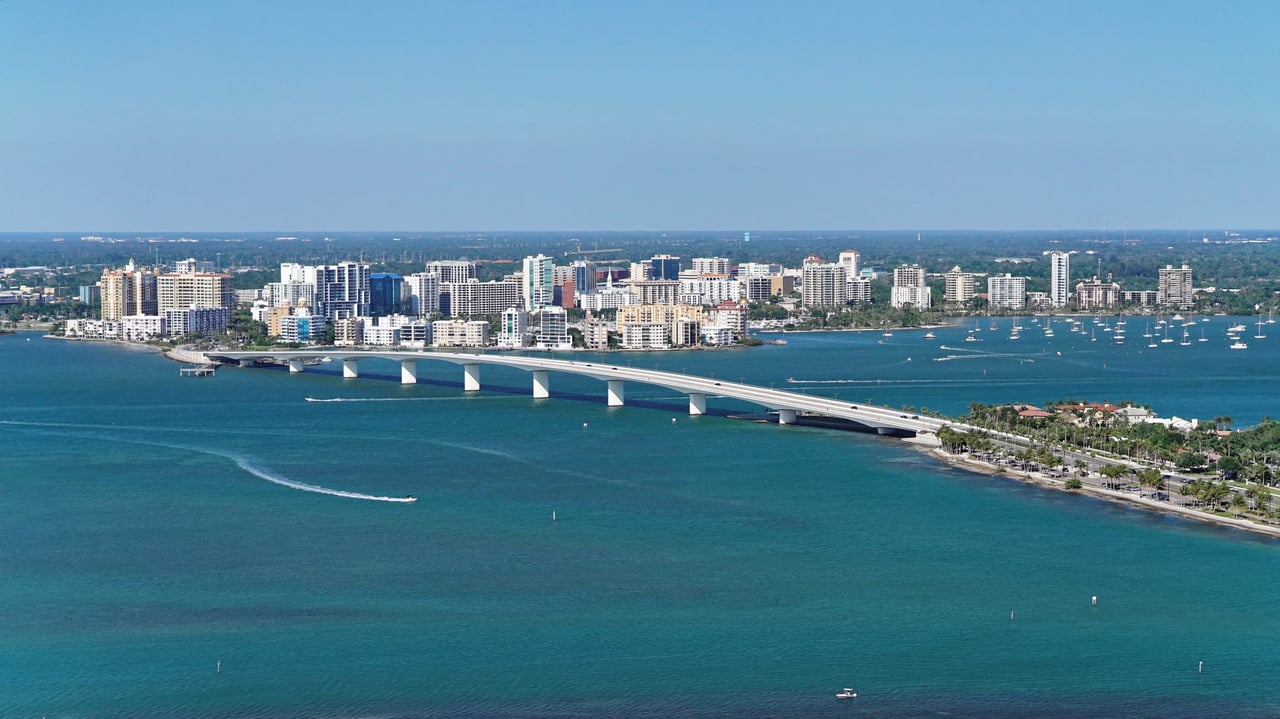
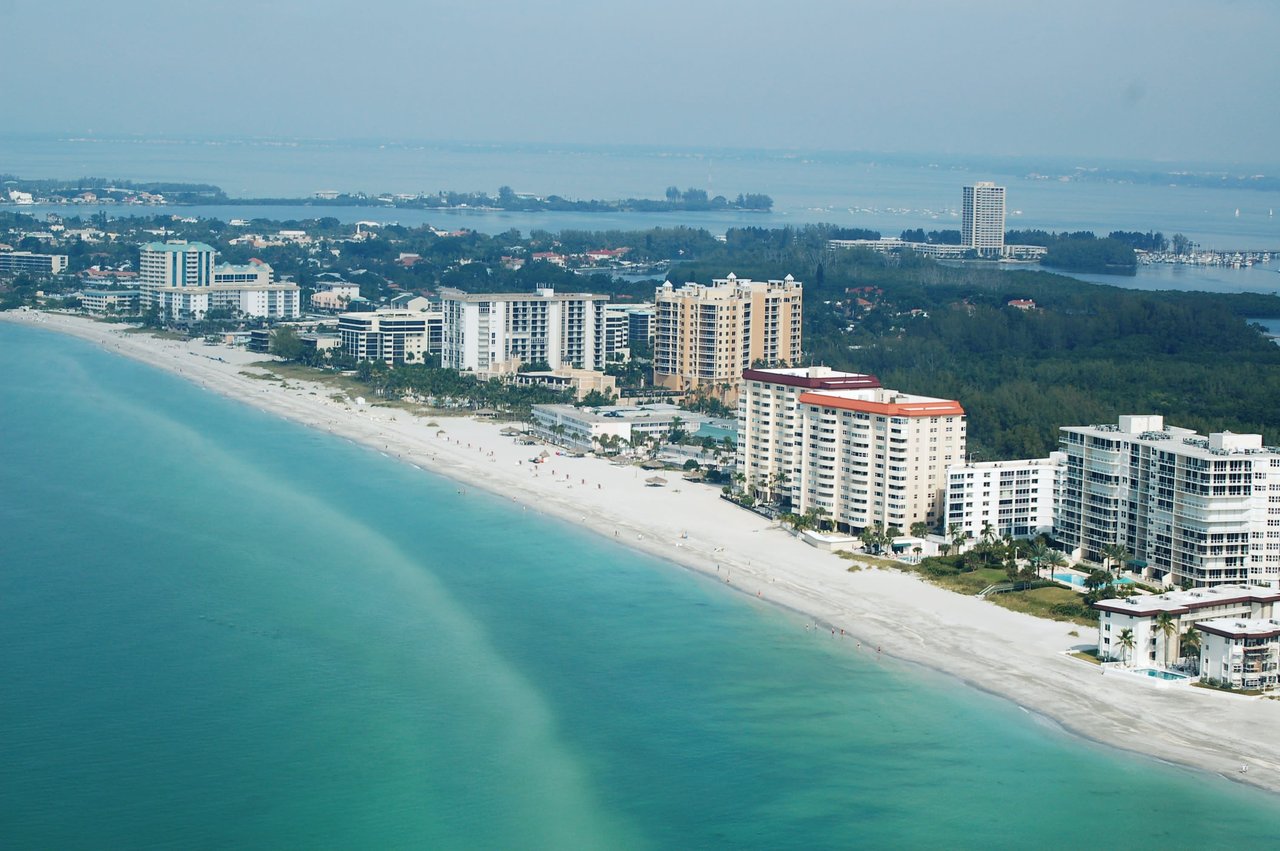
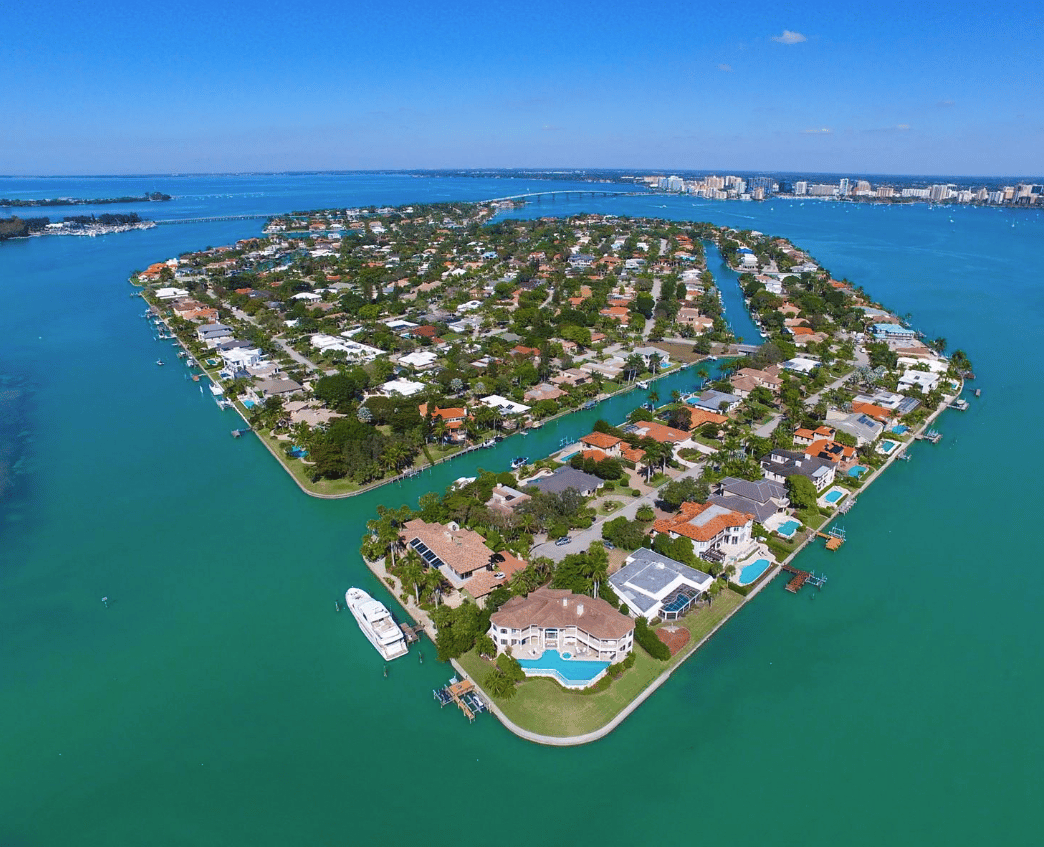
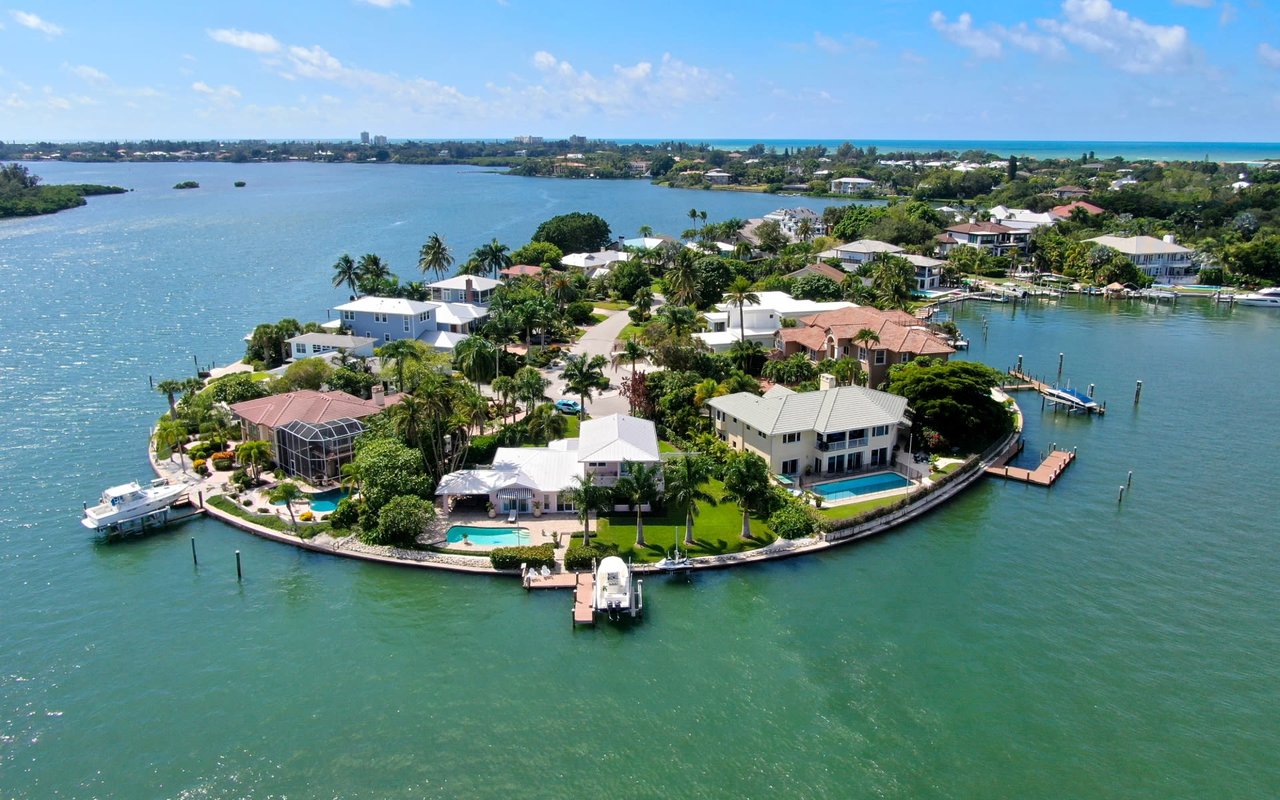
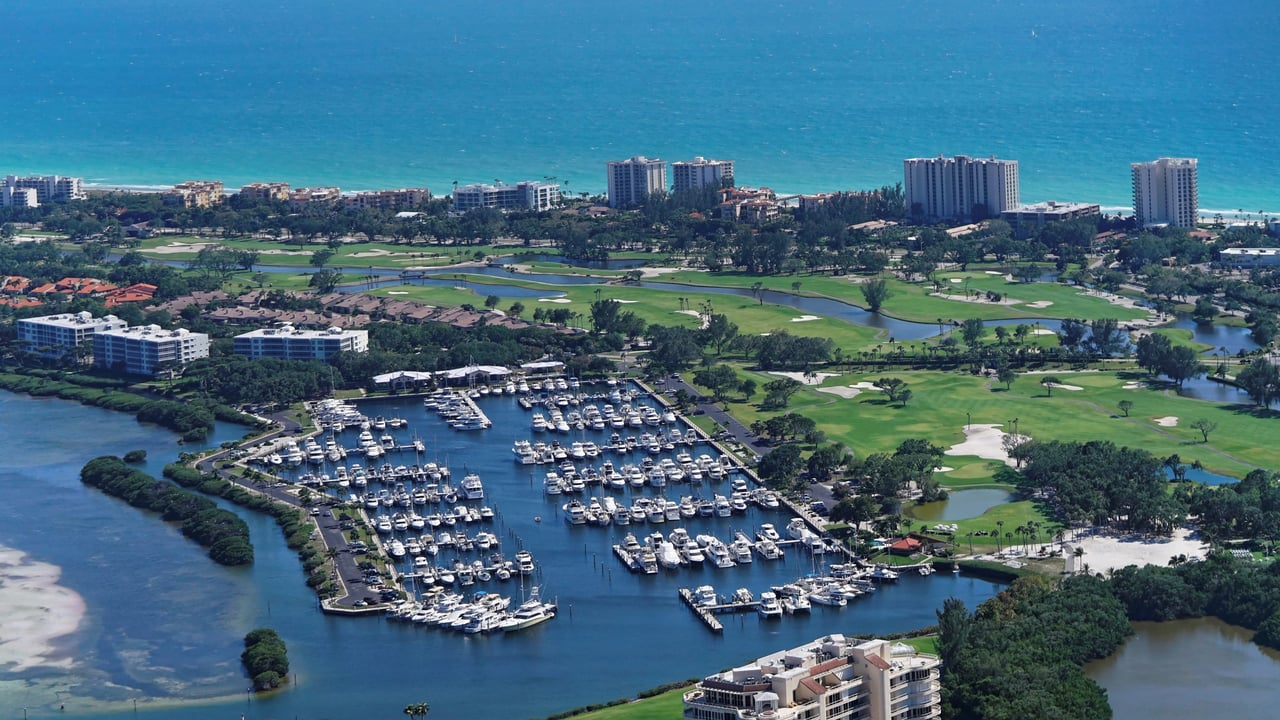
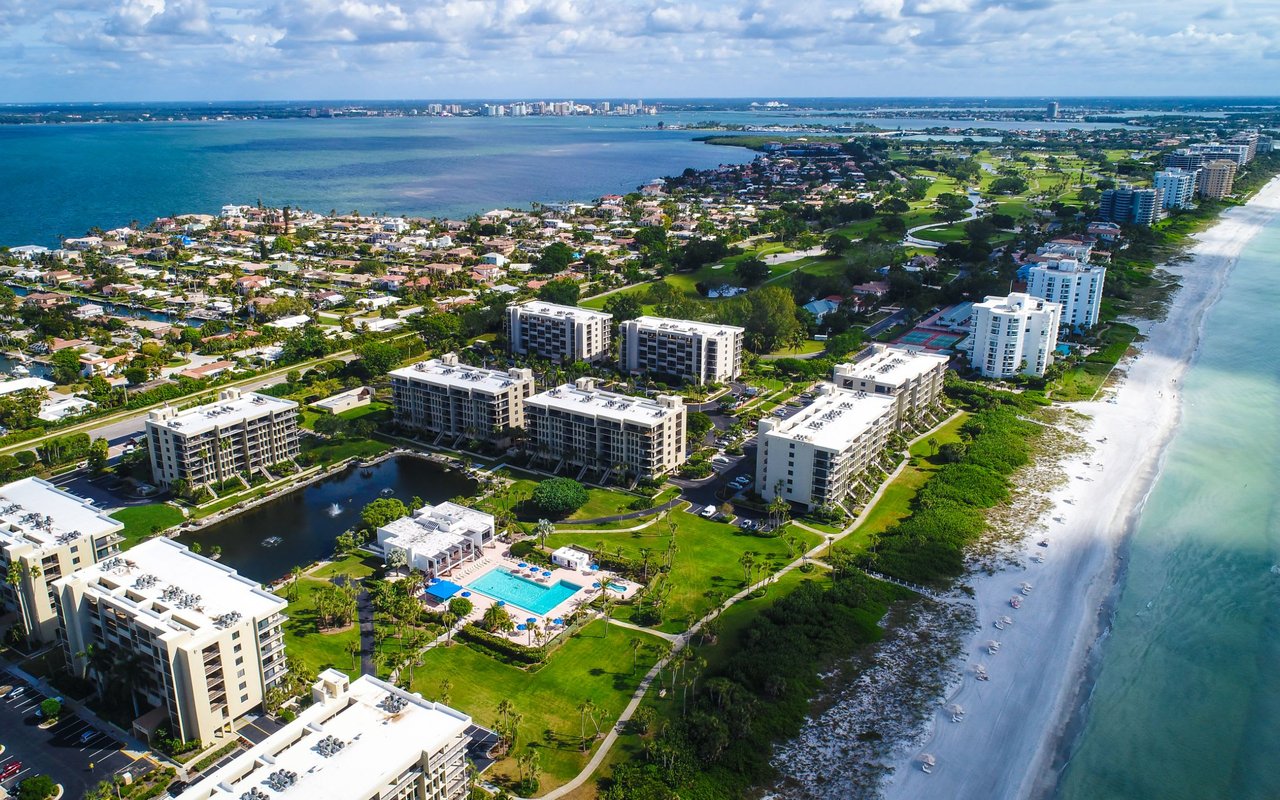
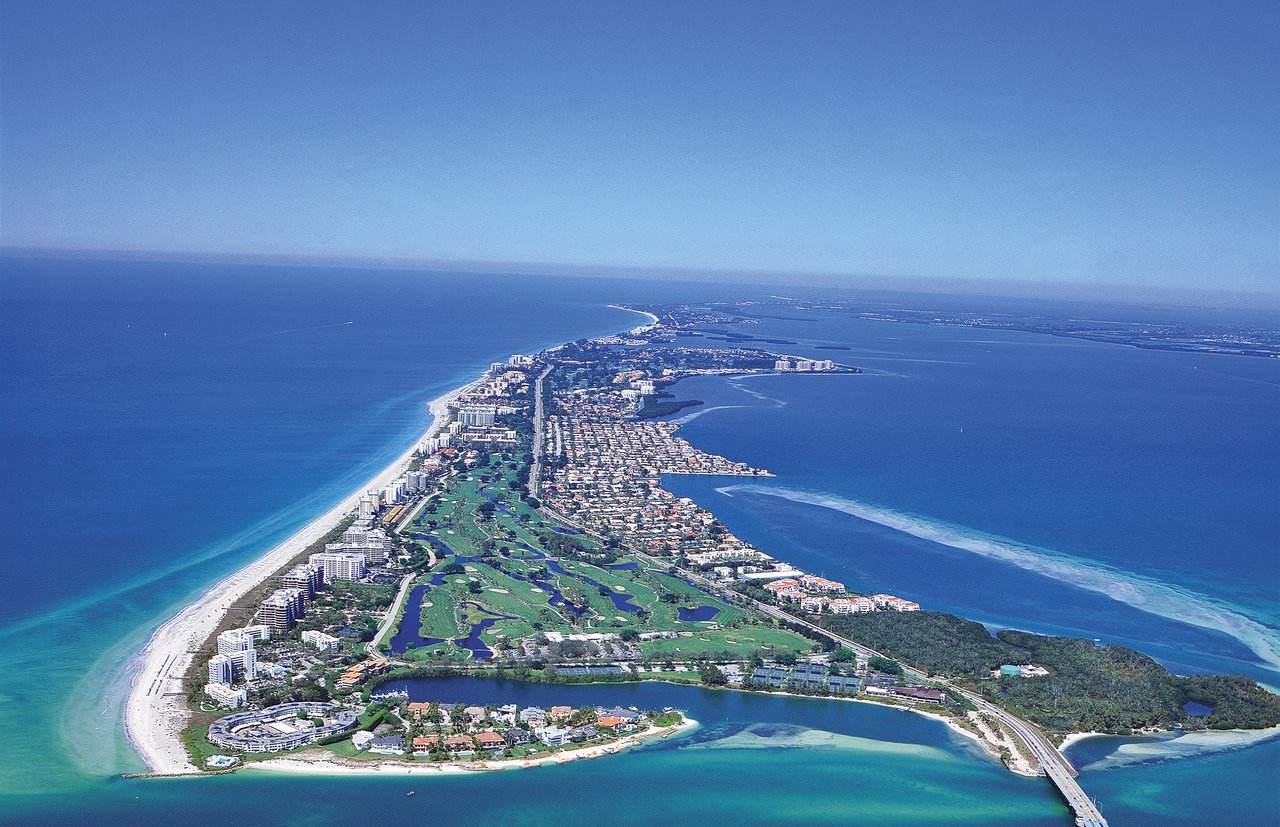
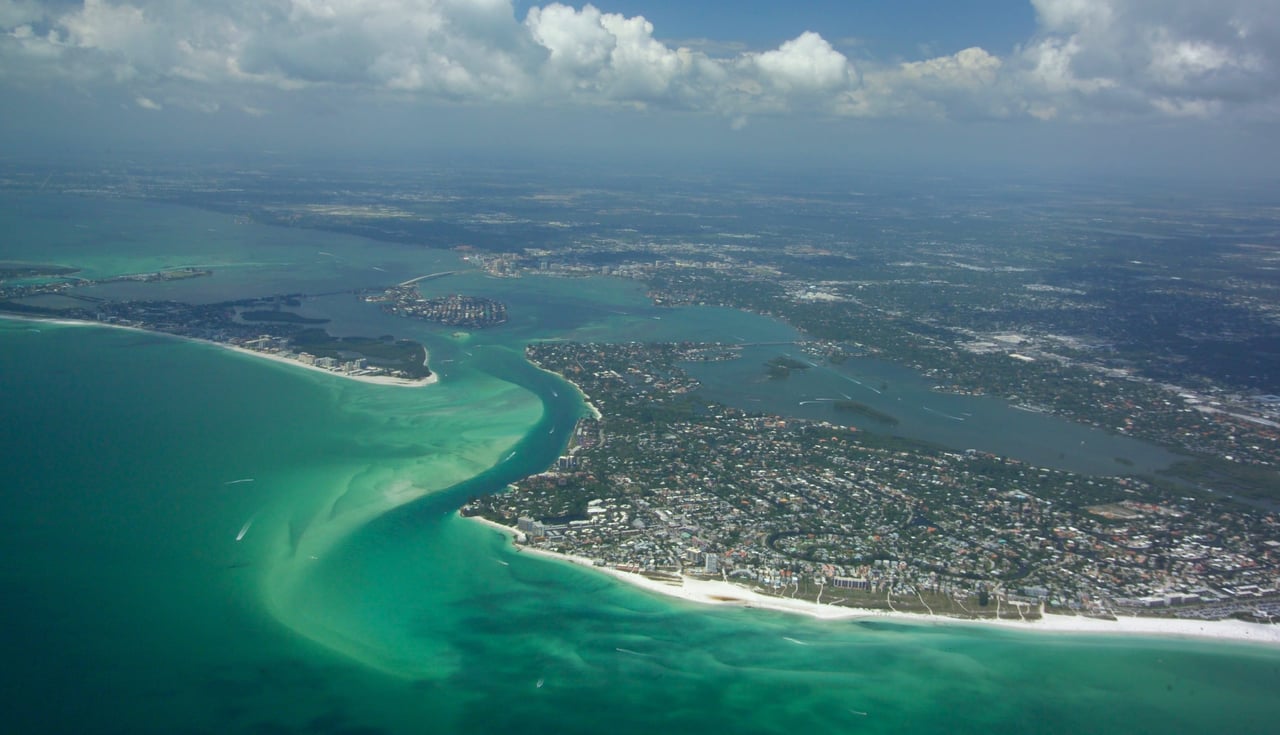
Longboat Key stretches roughly eleven miles between Sarasota Bay and the Gulf of Mexico. The southern two-thirds of the island sits in Sarasota County, running from the St. Armands Circle bridge up through Bay Isles and Country Club Shores. The northern third, including Longbeach Village and the older Florida vernacular homes near the Manatee County line, falls under Manatee. The Longboat Key Club and its two golf courses sit close to where the boundary crosses the island.
The two counties do not just tax differently. They also run separate building departments, separate flood elevation standards, and separate permitting timelines for renovation work, which matters the moment you plan to raise a seawall or rebuild a dock. A buyer who assumes the entire island operates under one set of rules can be surprised mid-renovation to learn otherwise.
What the line costs, in mills
For fiscal year 2025-2026, the Town of Longboat Key set two different town-only millage rates depending on whether a parcel sits in the Gulfside or Bayside beach-improvement district: 2.5543 mills for Gulfside parcels and 2.1371 mills for Bayside parcels. Layer county, school district, and special-district levies on top of that town rate, and the combined totals diverge further by county. Manatee Gulfside parcels carry a combined rate of roughly 15.25 mills. Sarasota Gulfside parcels carry roughly 13.30 mills. On the bay side, Manatee runs about 14.84 mills against Sarasota's 12.88.
Run that gap against a real number. A gulf-side home with a $2 million taxable value pays roughly $3,900 more per year in the Manatee County portion of the island than an equivalent home would pay in the Sarasota County portion, using this year's combined rates. That is not a rounding error. It is a standing annual cost difference tied entirely to which side of an invisible line the parcel falls on.
| District | County | Approx. combined millage, FY2025-26 |
|---|---|---|
| Gulfside | Manatee | ~15.25 |
| Gulfside | Sarasota | ~13.30 |
| Bayside | Manatee | ~14.84 |
| Bayside | Sarasota | ~12.88 |
The gap is not a fixed fact, it is a moving target
Here is where most buyer research stops short. The rate gap this year is not the same as the rate gap last year, and it will not be the same next year, because the two counties' tax bases move independently and sometimes in opposite directions.
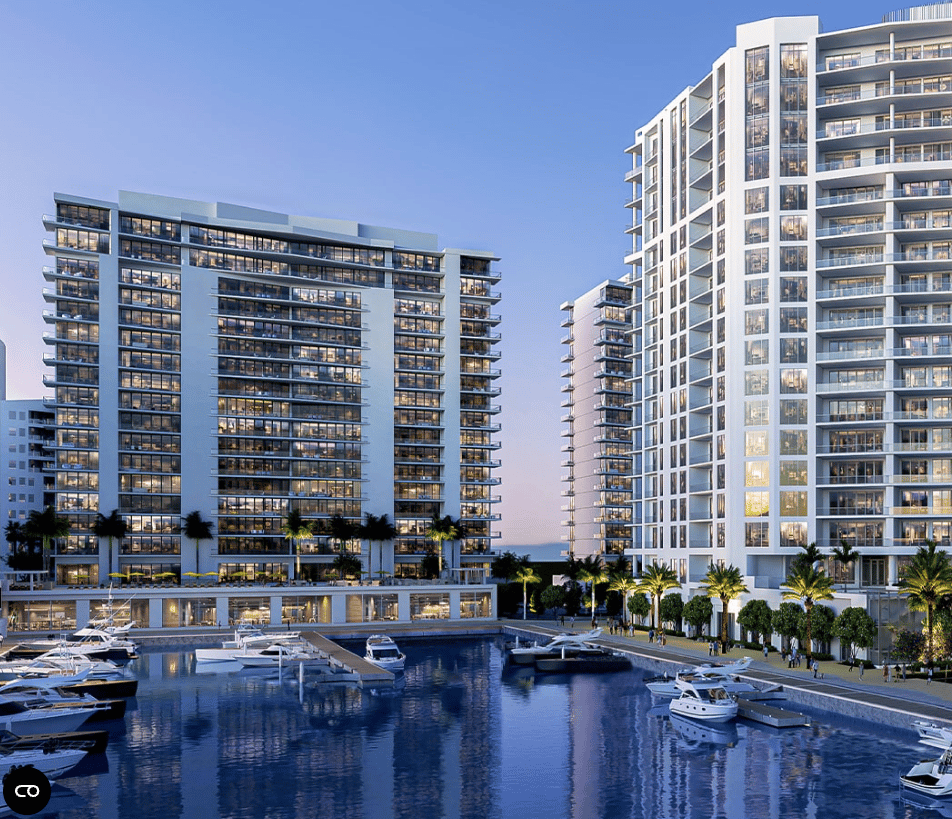
The budget year now closing tells the story. The Manatee County side of Longboat Key lost 9.96% of its taxable value after Hurricanes Debby, Helene, and Milton struck within three months of each other, and a state-mandated tax-rebate program for significantly damaged homes cut more than $268,000 from the town's general fund, almost all of it from Manatee-side parcels. What kept the town's overall budget healthy was the Sarasota side, where the new St. Regis Longboat Key Resort came onto the 2025 tax rolls with an estimated $540 million in added taxable value, lifting the Sarasota portion of the island 13.53% in a single year. Combined, the town still posted a 5.96% increase in taxable value and just over $1 million in new revenue, but only because one county's one-time windfall offset the other county's storm damage.
Now the preliminary numbers for the budget year starting this October show the pattern reversing. Storm-damaged Manatee homes are coming back onto the tax rolls, pushing that side up an estimated 10.81%. The Sarasota side, having already banked its St. Regis bump the year before, is showing a preliminary dip of roughly 1.15% to 1.3% as the comparison year normalizes. Longboat Key's Finance Director Susan Smith, compiling the figures from both county property appraisers as they arrived separately, put the net effect plainly.
"I am still compiling the numbers, but overall we have a combined increase of 2%."
That 2% headline hides two very different stories happening on two sides of the same island in the same year. A buyer who picked the Manatee side last year because it looked like the value laggard is now watching that side's base rebound faster than Sarasota's. A buyer who assumed Sarasota's side was the stable, steadily-appreciating half just watched it dip after its one big anchor tenant finished cycling through the comparison.
Why this matters more than picking the cheaper side
The lesson is not that one county is permanently the better buy. It is that the gap itself carries risk, and that risk is unevenly distributed. Manatee's side, with its older housing stock and higher storm exposure, showed how fast a tax base can swing when named storms hit three times in one season. Sarasota's side showed how a single large development, in this case one resort, can carry an entire county's numbers for a year and then leave a gap once that comparison year passes.
For a buyer comparing a Longbeach Village bungalow against a Country Club Shores canal-front home, the practical questions are not just "what is the millage rate today." They are: how many parcels in this taxing district were affected by the last major storm cycle, is there another large development scheduled to land on the rolls in the next two years, and what does the three-year trend look like rather than the single most recent year. A listing agent who can only quote this year's combined mill rate is giving you half the picture. A listing agent who can walk you through how that rate has moved over the past three storm and development cycles is giving you the half that actually protects your budget.
The permitting and flood-map split adds a second layer of the same lesson. Manatee County and Sarasota County apply their own flood elevation standards and run their own review timelines for waterfront construction. If your renovation plans include raising a seawall, extending a dock, or rebuilding after storm damage, the county your parcel sits in determines whose flood administrator signs off and how long that review takes.
Questions buyers ask before writing an offer
Does the county line affect my property insurance, not just my taxes? The county line itself does not set insurance rates, but flood zone designation and the county's flood elevation standards do factor into how insurers price a policy, and those standards differ between Sarasota and Manatee.
Can I find out which county a specific address falls in before I make an offer? Yes. Every parcel is assigned to one county's property appraiser, and that assignment is public record. Confirming it early avoids a surprise at closing when the tax bill arrives from a different office than expected.
Does Florida's homestead exemption and Save Our Homes cap work the same on both sides? Yes. Homestead exemptions and the Save Our Homes assessment cap are state law, not county-specific, and portability of accumulated Save Our Homes benefit applies regardless of which side of the island you buy into, as long as you are moving from another Florida homestead.
Longboat Key rewards buyers who look past the headline median price and into the mechanics underneath it. The county line is one of those mechanics, and it moves more than most buyers expect. If you are weighing a north-end enclave against a south-end one, or trying to read what this year's tax roll actually means for next year's bill, The Real Schafers can walk you through the parcel-level detail before you write an offer. Tell us your story.