
Florida Amendment 3 Passes: What Sarasota Homeowners, Buyers, and Future Florida Residents Need to Know
November 18, 2026 | The Schafer Perspective
Florida's real estate landscape is entering a significant new chapter. On November 3, 2026, voters approved Amendment 3 with approximately 62% of the statewide vote, introducing substantial changes to Florida's property tax system that will begin taking effect January 1, 2027. The amendment expands homestead exemptions, provides additional assessment protections for second homes and investment properties, and establishes new residency requirements that could influence the financial decisions of individuals considering a permanent move to Florida.
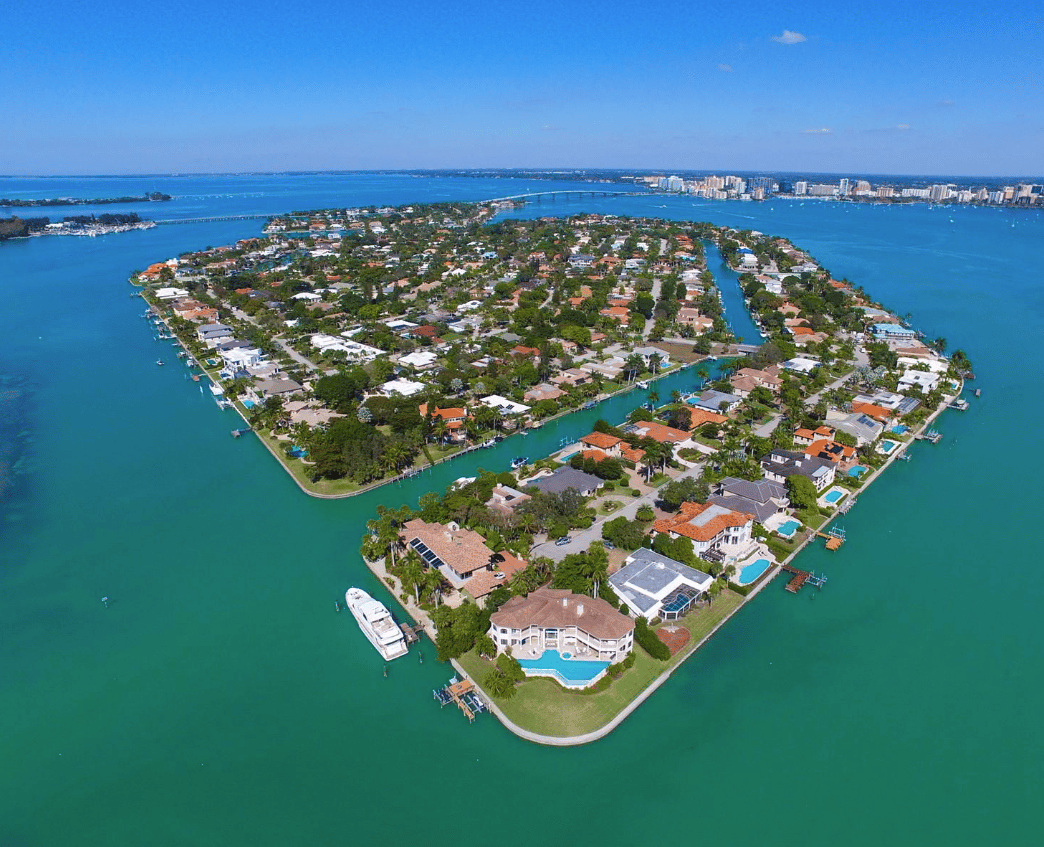
For homeowners, prospective buyers, and real estate investors throughout Sarasota, Longboat Key, Siesta Key, Bird Key, and the surrounding Gulf Coast communities, understanding these changes is particularly important. While the amendment creates opportunities for meaningful property tax savings, the benefits differ considerably depending on whether a property serves as a primary residence, a seasonal retreat, or an investment. Perhaps most importantly, December 31, 2026, represents a significant deadline for individuals considering establishing permanent Florida residency.
A Significant Expansion of Florida's Homestead Exemption
One of the amendment's most consequential changes is the expansion of Florida's homestead exemption for qualifying primary residences.
For the 2026 tax year, eligible homeowners generally receive an exemption of up to $25,000 against all applicable property tax levies, including school taxes, plus an additional inflation-adjusted exemption of up to $26,411 against non-school property taxes on qualifying assessed value. Beginning January 1, 2027, Amendment 3 replaces this structure with a larger exemption for qualifying homeowners who maintained permanent Florida residency by December 31, 2026.
Under the new provisions, the exemption against non-school property taxes increases to $150,000 in 2027 and $250,000 in 2028, with annual inflation adjustments beginning in 2029 when the applicable Consumer Price Index increases. The existing $25,000 exemption against school district taxes remains, as do Florida's Save Our Homes assessment protections, which generally limit annual increases in homestead assessed values to the lesser of 3% or inflation.
For eligible homeowners with sufficient assessed value, these changes can produce substantial savings. However, the exemption reduces taxable assessed value rather than the property's market value, and the actual savings depend on local millage rates, other exemptions, and the property's assessment history.
How Much Could Sarasota Homeowners Save?
The potential savings vary across Sarasota County because different municipalities, special districts, and taxing authorities establish their own property tax rates.
For illustration, the City of Sarasota's 2026 combined non-school ad valorem millage for a typical property without additional special district levies is approximately 8.78 mills. Using those rates, a qualifying homeowner with sufficient assessed value could realize approximately $866 in annual savings under the 2027 exemption and $1,744 under the 2028 exemption, compared with the 2026 exemption structure.
These figures are illustrative rather than guaranteed savings. They assume unchanged tax rates, assessed values, and other applicable factors. Actual tax bills will depend on the rates adopted for future tax years. Properties located within special taxing districts, including portions of Golden Gate Point and downtown Sarasota, may have different applicable millage rates.
Importantly, Amendment 3 does not eliminate school district property taxes or non-ad valorem assessments, including applicable solid waste, stormwater, and fire service charges. Existing 2026 tax bills are also unaffected. The first changes will appear on qualifying 2027 tax bills, generally distributed in November 2027.
What Amendment 3 Means for Out-of-State and Nonresident Property Owners
Florida has long attracted buyers who maintain permanent residences in other states while enjoying seasonal homes along the Gulf Coast. For these individuals, Amendment 3 introduces an important distinction between property ownership and permanent residency.
Nonresident owners who maintain a Florida property as a second home, vacation residence, or seasonal retreat do not qualify for the expanded homestead exemption solely because they own Florida real estate. The exemption applies to qualifying primary residences. An individual who continues to maintain a permanent residence outside Florida generally remains ineligible for Florida's homestead exemption on a vacation property.
There is, however, a separate benefit for qualifying non-homestead properties. Beginning in 2027, the annual cap on increases in assessed value for non-homestead property taxes will decrease from 10% to 5%. This provision applies to qualifying second homes, rental properties, and commercial real estate, potentially improving long-term tax predictability during periods of rising property values.
The 5% limitation does not guarantee a reduction in an owner's existing property tax bill. It restricts certain annual increases in assessed value, not changes in millage rates, and qualifying ownership transfers or property improvements can trigger reassessment. For seasonal homeowners who intend to maintain residency elsewhere, the primary advantage of Amendment 3 may therefore be greater protection against future assessment increases rather than an immediate reduction in property taxes.
Planning to Establish Florida Residency Before December 31, 2026?
For individuals considering a permanent relocation to Sarasota, this may be the amendment's most important provision.
Under the approved constitutional language, individuals who maintained a permanent residence in Florida as of December 31, 2026, generally qualify for the expanded homestead exemption when they satisfy the applicable homestead requirements. Individuals who establish Florida residency after that date generally must meet a five-year homestead exemption qualification period before receiving the larger exemption.
This distinction matters because establishing Florida residency and purchasing a Florida home are not necessarily the same event.
For example, an individual who genuinely establishes Florida as their permanent residence before December 31, 2026, while renting a property in Sarasota may become eligible for the expanded exemption when they subsequently purchase a qualifying primary residence. They would still need to satisfy the normal ownership, residency, and homestead application requirements, but generally would not be subject to the new five-year waiting period solely because they purchased their home after the deadline.
Conversely, someone who purchases a Sarasota property before December 31, 2026, but continues maintaining their permanent residence in another state would not automatically qualify for the expanded exemption. The determining factor is the establishment of genuine permanent Florida residency, not simply the closing date on a real estate transaction.
What Does Establishing Florida Residency Actually Require?
Florida law treats permanent residency as a factual determination based on a person's intent and supporting evidence. Relevant considerations include whether Florida has become the individual's principal home, whether a previous permanent residence in another state has been terminated, and whether personal and financial records consistently support Florida residency.
Evidence may include a Florida driver's license, Florida voter registration, vehicle registration, a recorded declaration of domicile, employment and banking records, and other documentation demonstrating the individual's permanent connection to Florida. No single document automatically establishes residency, and the Sarasota County Property Appraiser evaluates the relevant circumstances when determining homestead eligibility.
Florida's homestead rules also do not impose a universal minimum number of days that someone must physically occupy the property each year. However, residents transitioning from another state must consider that state's separate residency and tax requirements, which may differ substantially from Florida's.
For individuals genuinely planning to make Sarasota their permanent home before the end of 2026, the timing and documentation of that transition deserve careful consideration. Establishing residency is not simply an administrative change. It should accurately reflect where an individual intends to maintain their permanent home.
What If You Establish Florida Residency in 2027 or Later?
Individuals who were not permanent Florida residents as of December 31, 2026, may still qualify for a homestead exemption when they establish Florida residency and purchase an eligible primary residence. However, Amendment 3 generally limits their initial exemption against non school property taxes to $50,000 of assessed value, with positive inflation adjustments beginning in 2028.
The larger exemption generally becomes available beginning with the fifth year in which the individual qualifies for the homestead exemption.
Consider an individual who relocates to Sarasota during 2027, purchases a primary residence that year, and first qualifies for homestead exemption in 2028. Assuming continued eligibility, the individual would generally receive the smaller exemption during tax years 2028 through 2031 and become eligible for the increased exemption beginning in tax year 2032.
This distinction is important because the five years is based on years of homestead exemption eligibility, not simply five calendar years after moving to Florida. Someone who relocates in 2027 but rents for several years before purchasing a home generally would not accumulate qualifying homestead exemption years during that rental period.
The amendment does allow counties and municipalities, beginning in 2030, to consider shortening the waiting requirement for a critical local need through a two-thirds vote of their governing bodies. The constitutional language also makes the residency distinction subject to applicable federal constitutional limitations. Additional legislation and administrative guidance will help determine how these provisions are applied.
Additional Considerations for Luxury Homeowners and Real Estate Investors
For Sarasota's luxury real estate market, these changes warrant attention beyond the immediate tax savings.
Owners of primary waterfront residences may benefit from the expanded exemption, although the dollar savings will represent a smaller proportion of the total property tax bill on higher-valued homes. Owners of second homes and investment properties may benefit from the new 5% non homestead assessment cap, particularly during periods of appreciation.
Buyers should also recognize that the property tax history advertised with a listing may not accurately represent their future ownership costs. A property can be reassessed following a qualifying ownership transfer, and existing exemptions or assessment limitations enjoyed by the seller may not transfer to the purchaser.
For those purchasing through trusts, business entities, or other ownership structures, eligibility should be evaluated carefully before assuming that the expanded exemption will apply. Property taxes remain only one component of ownership costs, alongside insurance, maintenance, condominium or homeowners association assessments, and other recurring expenses.
The Broader Financial Impact on Sarasota County
While Amendment 3 creates opportunities for property tax relief, its implementation also presents financial challenges for local governments responsible for maintaining infrastructure and community services.
According to projections presented by Sarasota County Administrator Jonathan Lewis, the county could experience approximately $46.9 million in reduced property tax revenue for fiscal year 2028, increasing to approximately $87.1 million for fiscal year 2029 as the larger exemption becomes fully effective. Separately, the City of Sarasota estimates an annual revenue reduction of approximately $5.6 million once the amendment is fully implemented.
These projections reflect estimated revenue effects rather than final budget reductions. Actual impacts will depend on future assessments, tax rates, and local government decisions.
The amendment also establishes constitutional parameters for how counties and municipalities may use property tax revenues, identifying purposes that include public safety, infrastructure, education, certain debt obligations, natural resource projects, and governmental operations, while allowing other expenditures approved by local officials unless prohibited by state law.
Additionally, the amendment directs the Legislature to establish procedures through which counties and municipalities may expand homestead exemptions further, potentially up to the remaining assessed value subject to their respective levies. This creates a potential pathway for additional future property tax relief, but it does not automatically eliminate non-school property taxes in 2027 or 2028.
Local governments will now evaluate how to balance property tax relief with the continued funding of services that contribute to Sarasota's quality of life.
Looking Ahead: What Amendment 3 Means for Sarasota's Real Estate Market
As Sarasota enters the winter 2026 and 2027 real estate season, Amendment 3 adds another important dimension to the financial considerations of Florida property ownership. For established permanent residents, the expanded exemption may provide meaningful reductions in annual carrying costs. For seasonal owners and investors, the lower assessment cap offers additional protection against future increases in taxable value. And for individuals contemplating relocation, the December 31, 2026, permanent residency cutoff creates a meaningful distinction that deserves attention before the end of the year.
At The Schafers, we believe successful real estate decisions require an understanding of far more than the property itself. From Sarasota's waterfront communities and luxury condominiums to the financial considerations influencing ownership, our commitment is to provide thoughtful guidance, accurate information, and the local market perspective our customers deserve. Whether you are considering a permanent move to Sarasota, purchasing a seasonal residence, or evaluating your next real estate investment, we welcome the opportunity to help you navigate the market with confidence.
The Schafers | Coldwell Banker Realty Global Luxury
Disclaimer: This article is intended for general informational purposes and reflects publicly available information as of November 18, 2026. Individual homestead eligibility, permanent residency determinations, tax savings, and implementation procedures may vary. Readers should consult the appropriate county property appraiser and qualified legal or tax professionals regarding their individual circumstances.
Sources and References
The following official government publications, public records, and professional resources were reviewed to verify the information presented in this article.
- Florida Department of State, Division of Elections: Official Amendment 3 Constitutional Initiative. Official ballot language, constitutional provisions, and proposed changes.
- Florida Legislature: CS/HJR 1-F, Enrolled Constitutional Amendment. Full constitutional language establishing the expanded homestead exemptions, residency cutoff, assessment limitations, and local government provisions.
- Florida Department of Revenue: Property Tax Oversight Bulletin PTO 26-21, November 5, 2026. Official confirmation of voter approval, implementation date, exemption amounts, and residency provisions.
- Florida Division of Elections: November 3, 2026 Official Election Results. Statewide voting results for Amendment 3.
- Florida Legislature: Florida Statutes, Section 196.015, Permanent Residency. Legal criteria and evidence used to determine permanent Florida residency.
- Sarasota County Property Appraiser: Homestead Exemption Qualification and Application Requirements. Ownership, residency, January 1 qualification, and March 1 application requirements.
- Sarasota County Property Appraiser: Permanent Residency Requirements. Information regarding permanent residence, residency documentation, and occupancy requirements.
- Sarasota County Property Appraiser: Homestead Exemption FAQs. Existing 2026 exemption amounts, Save Our Homes protections, and ownership considerations.
- Sarasota County Tax Collector: 2026 Certified Millage Rates. Published tax rates used for illustrative Sarasota property tax savings calculations.
- Sarasota County Tax Collector: Amendment 3 Information. Guidance confirming that 2026 tax bills remain unchanged and school taxes and non ad valorem assessments continue.
- City of Sarasota: City Prepares for Next Steps Following Amendment 3 Approval, November 4, 2026. Official municipal statement addressing implementation and projected financial impacts.
- Your Observer: Sarasota County's Potential Amendment 3 Impact Exceeds $87 Million, August 25, 2026. Reporting on revenue projections presented by Sarasota County Administrator Jonathan Lewis.
- Holland & Knight: New Homestead Exemption Raises Stakes for Establishing Florida Residency Before Year-End, November 9, 2026. Legal analysis explaining the residency cutoff, implications for renters who later purchase homes, and the five-year exemption period.
- Miami-Dade County Property Appraiser: Homestead Exemption and Amendment 3 Guidance. Official explanation of the new resident exemption structure and an example of how the fifth year of eligibility is calculated.